Complete Guide to HVAC Repair Services in Colorado Springs: When to Call a Pro
Complete Guide to HVAC Repair Services in Colorado Springs: When to Call a Pro
Understanding HVAC Systems in Colorado Springs
Common Types of HVAC Systems
Colorado Springs homes and businesses rely on a variety of HVAC systems to stay comfortable year-round. The most common types include central air conditioning, furnaces (gas and electric), heat pumps, and ductless mini-splits. Central HVAC systems are popular for their ability to heat and cool large spaces efficiently, while ductless systems are increasingly favored in remodels or additions where installing ductwork is not practical.
Unique Climate Challenges in Colorado Springs
With its high altitude and rapidly changing weather, Colorado Springs presents unique challenges for HVAC systems. Temperature swings can be significant, even in a single day, which puts extra strain on both heating and cooling equipment. Dry air, frequent snow, and summer thunderstorms can also impact system performance. For example, homeowners often find their furnaces need to run efficiently during unexpected spring snowstorms, while AC units are pushed to their limits during hot, dry spells in July.
Signs Your HVAC System Needs Attention
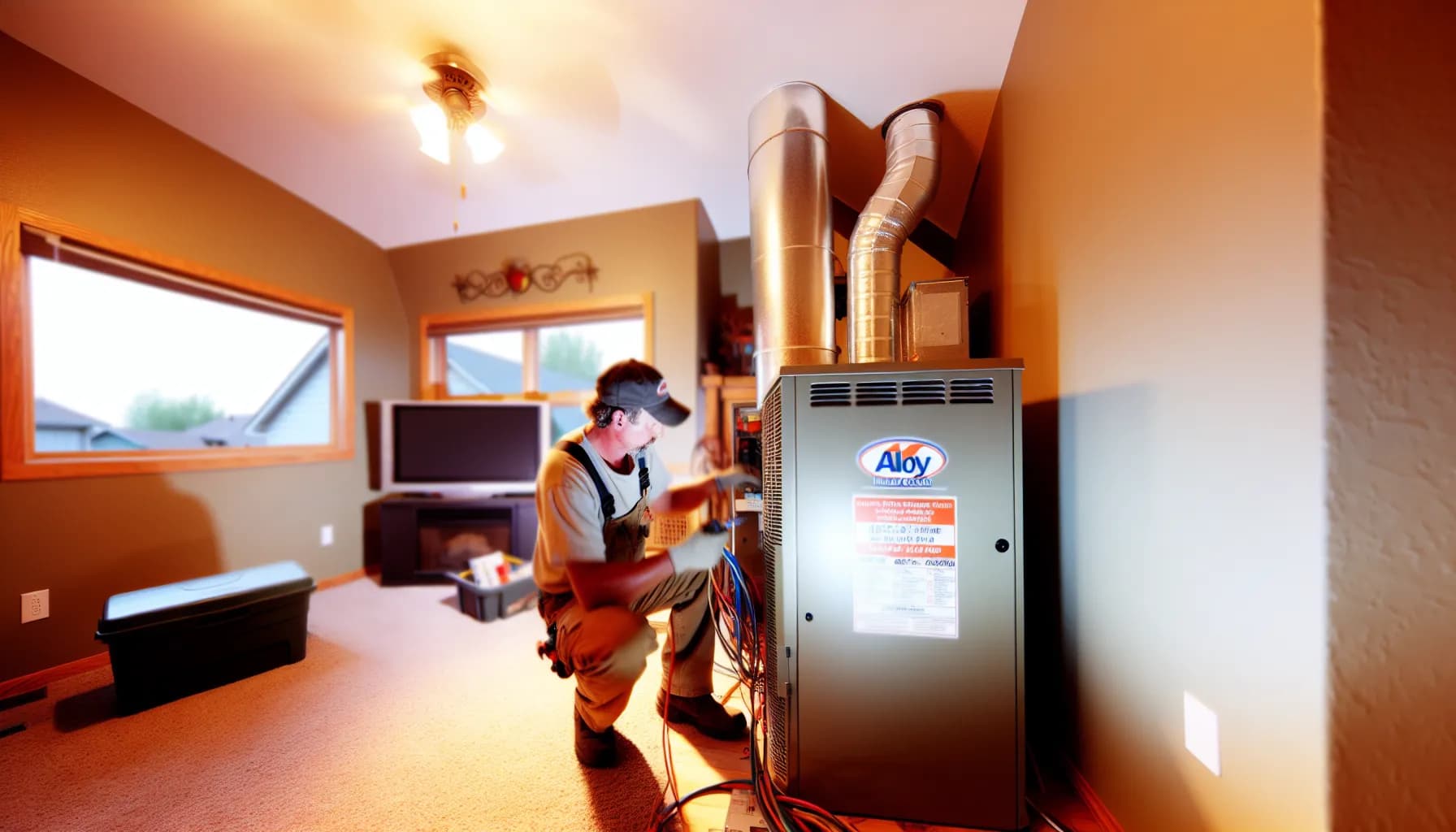
Some signs are subtle, while others are hard to miss. If you notice inconsistent temperatures in your home or business, loud noises when your system turns on, odd smells, or a sudden spike in your energy bills, your HVAC system may be struggling. For example, a homeowner in Monument recently contacted us after hearing persistent rattling from their furnace. It turned out to be a loose blower motor, which could have led to a full breakdown if left unchecked.
DIY HVAC Troubleshooting Tips
Basic Maintenance Homeowners Can Perform
There are simple steps homeowners can take to keep their HVAC systems running smoothly. Regularly replacing air filters (every 1-3 months), clearing debris from outdoor units, and making sure vents are not blocked can make a big difference. A homeowner in Castle Rock found that after changing a very dirty filter, their furnace airflow improved dramatically.
When DIY Fixes Are Safe
DIY fixes are generally safe when they involve routine maintenance like filter changes, cleaning return air grilles, or checking your thermostat settings. If your system is not turning on, checking the circuit breaker or making sure the thermostat has fresh batteries are good first steps.
Common Mistakes to Avoid
One mistake is ignoring regular maintenance or attempting complex repairs without proper training. For instance, trying to recharge your AC refrigerant without certification can be dangerous and illegal. Another common error is closing off too many vents in an attempt to save energy, which can actually strain your system and lead to uneven cooling or heating.
When to Call a Professional HVAC Repair Service
Warning Signs You Need Expert Help
If your HVAC system is blowing warm air when it should be cooling, emitting burning smells, or tripping circuit breakers, it is time to call a professional. Another red flag is repeated short cycling, where the system turns on and off quickly. A family in Highlands Ranch noticed their AC was constantly cycling, and a professional technician discovered a faulty thermostat and oversized system that needed adjustment.
Risks of Delaying Professional Repairs
Delaying repairs can lead to bigger problems, such as complete system failure or costly component replacements. For example, a small refrigerant leak left unattended can damage your compressor, which is one of the most expensive parts to replace.
How Professionals Diagnose HVAC Issues
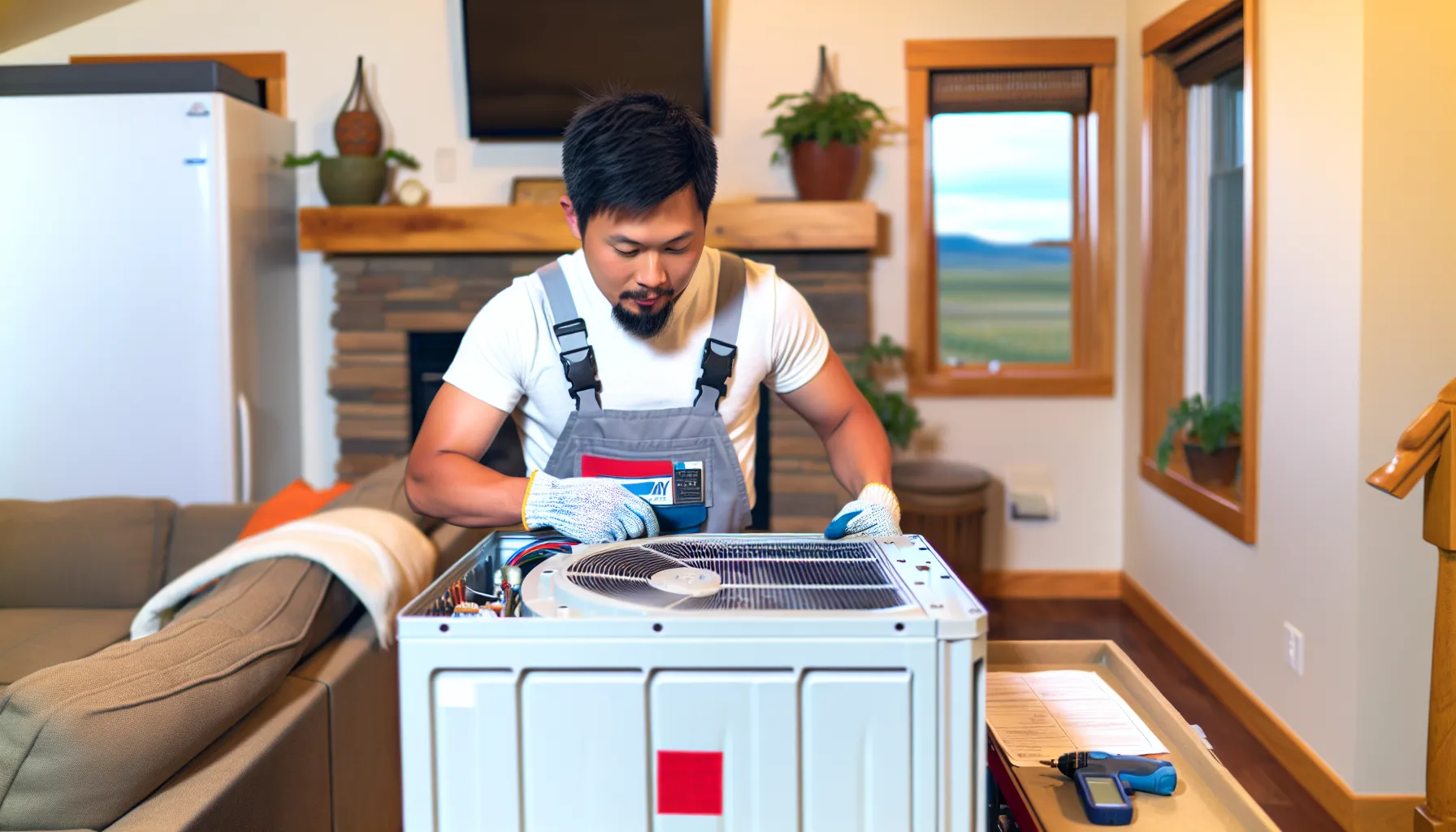
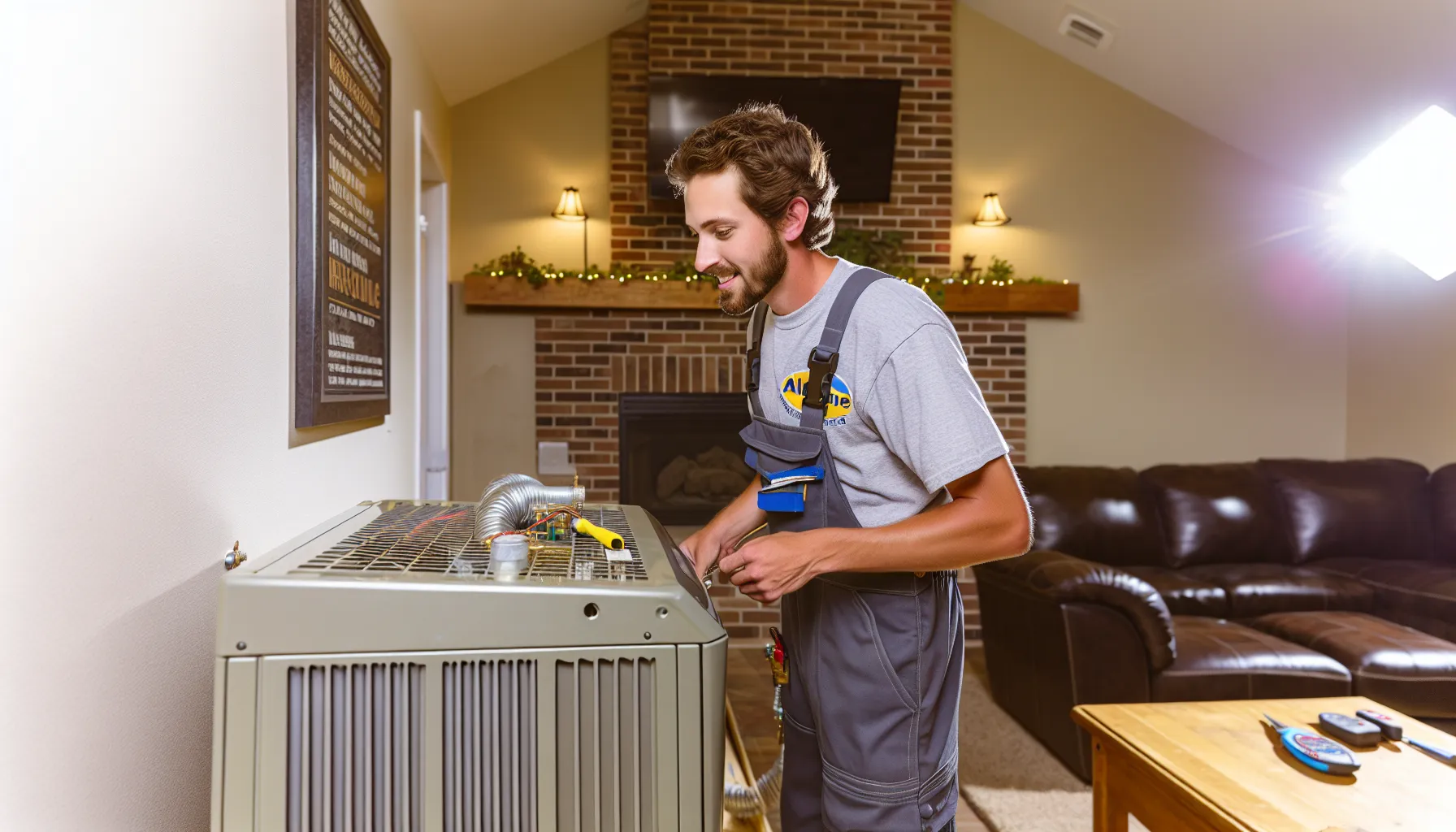
Skilled technicians use specialized tools and training to quickly diagnose issues. They may check refrigerant levels, inspect electrical components, and use thermal cameras to find hidden leaks or airflow problems. This expertise saves homeowners time and money by getting to the root of the problem efficiently.
Choosing the Right HVAC Repair Company in Colorado Springs
What to Look for in an HVAC Contractor
Look for a licensed and insured contractor with experience in your specific type of HVAC system. Check for positive reviews, local references, and affiliations with professional organizations like NATE (North American Technician Excellence).
Questions to Ask Before Hiring
- Are you licensed and insured in Colorado?
- Do you offer free, written estimates?
- What brands do you service or install?
- How quickly can you respond to emergencies?
- Do you offer warranties on repairs and parts?
Understanding Pricing and Warranties
Transparent pricing is important. Ask for a detailed quote that includes parts, labor, and any additional fees. Reputable HVAC companies offer warranties on both equipment and labor, providing peace of mind for homeowners and business owners alike.
Preventative HVAC Maintenance for Colorado Springs Homeowners
Seasonal Maintenance Checklist
- Replace or clean air filters regularly
- Clean dust and debris from vents and registers
- Check and clear outdoor units of leaves and dirt
- Inspect thermostat settings and functionality
- Schedule a professional inspection before each heating and cooling season
Benefits of Regular Professional Inspections
Annual checkups can catch small issues before they become big problems, improve energy efficiency, and extend the life of your HVAC system. For instance, a routine inspection in Parker uncovered a worn-out capacitor in a heat pump, preventing a mid-winter breakdown.
Tips for Extending the Life of Your System
Keep up with regular maintenance, avoid overworking your system by setting reasonable temperatures, and address small issues promptly. Enrolling in a maintenance plan with a trusted local HVAC provider ensures you never miss important service intervals.
Frequently Asked Questions
How do I know if my HVAC system needs professional repair?
If you notice unusual noises, weak airflow, inconsistent temperatures, or higher energy bills, it’s a sign your HVAC may need professional repair.
What should I look for when choosing an HVAC repair service in Colorado Springs?
Look for licensed, insured contractors with positive reviews, transparent pricing, and experience with your specific HVAC system.
Can I fix HVAC problems myself?
Homeowners can perform basic maintenance like changing filters, but complex repairs should be left to licensed professionals to ensure safety and proper function.
How often should I schedule HVAC maintenance in Colorado Springs?
It’s recommended to schedule professional HVAC maintenance at least once a year, ideally before heating or cooling season begins.
Are emergency HVAC repair services available in Colorado Springs?
Yes, many HVAC companies in Colorado Springs offer 24/7 emergency repair services for urgent heating or cooling issues.

Alloy HVAC Team
HVAC experts with years of experience in the industry. We share tips, insights, and the latest trends in heating, ventilation, and air conditioning to help you maintain optimal comfort in your home or business.