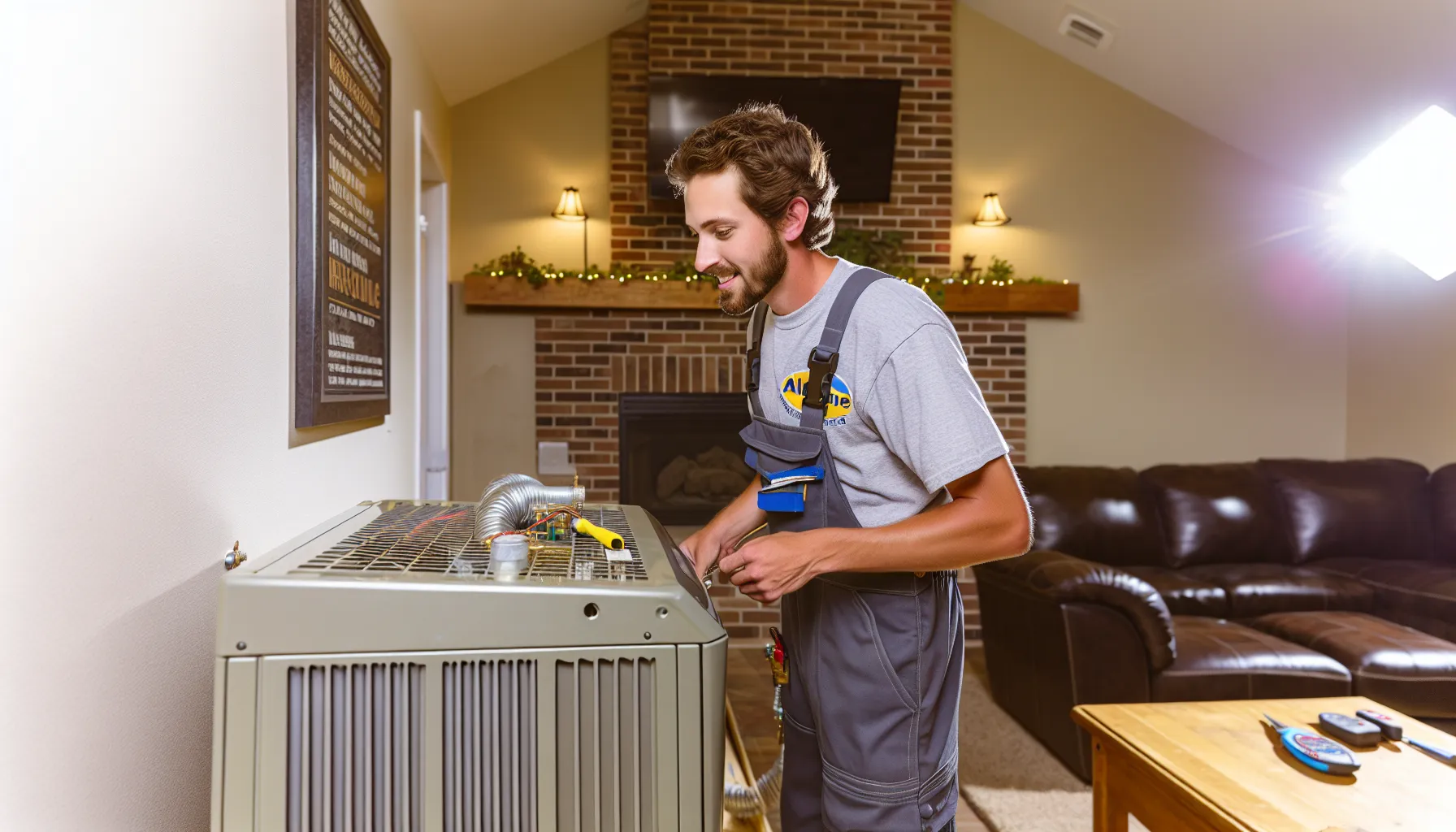
Choosing a Certified HVAC Contractor in Colorado: What Homeowners Should Know
Choosing a Certified HVAC Contractor in Colorado: What Homeowners Should Know
When your furnace stops working in the middle of a Colorado winter or your air conditioner struggles to keep up with the summer heat, you need an HVAC contractor you can trust. With so many companies serving Greenwood Village, Littleton, Highlands Ranch, Denver, Boulder, and surrounding areas, how can you be sure you’re hiring the right professionals for your home or business?
Choosing a certified HVAC contractor is one of the most important decisions you can make to protect your comfort, investment, and peace of mind. This guide explains why certification matters, which credentials to look for, how to verify a contractor, and what questions to ask before signing any contracts. We’ll also share real-world examples from homeowners throughout Colorado and provide tips specific to our state’s unique climate and regulations.
Why Hire a Certified HVAC Contractor?
Benefits of Certification
Certification is more than just a piece of paper. It represents a contractor’s commitment to quality, safety, and current industry standards. Certified HVAC contractors have undergone rigorous training and testing to demonstrate their knowledge of heating, cooling, ventilation, and refrigeration systems.
For homeowners in the Denver metro area, working with a certified contractor means:
- Expertise in local climate: Certified professionals understand Colorado’s temperature swings, altitude challenges, and air quality concerns. They can recommend systems that are energy-efficient and reliable for our specific region.
- Up-to-date knowledge: Technology in HVAC evolves rapidly. Certification requires ongoing education about the latest equipment, smart thermostats, high-efficiency systems, and safety protocols.
- Proper sizing and installation: A certified contractor will calculate your home’s heating and cooling loads to ensure your system is neither too large (wasting energy) nor too small (struggling to keep up).
- Code compliance: Certified contractors are trained to follow state and local building codes, which protects your family and keeps your insurance valid.
- Warranty protection: Many equipment manufacturers require certified installation to honor warranties. Using a certified contractor keeps your investment protected.
Real-World Example: In Highlands Ranch, a homeowner hired an uncertified handyman to install a new AC unit. When the system failed within a year, the manufacturer denied the warranty because the installation did not follow guidelines. The homeowner paid for repairs out of pocket, a costly lesson in the value of certification.
Risks of Hiring Uncertified Contractors
While uncertified contractors may offer lower prices, there are significant risks:
- Improper installation: Incorrect sizing, wiring, or ductwork can reduce efficiency, increase utility bills, and shorten equipment life.
- Safety hazards: Poor workmanship can lead to gas leaks, carbon monoxide poisoning, electrical fires, or refrigerant leaks.
- No recourse for damage: Unlicensed or uninsured contractors may leave you with repair costs if something goes wrong.
- Violation of local codes: Non-compliant installations may result in fines or require removal and replacement at your own expense.
Protect your home by insisting on certification and verifying credentials before any work begins.
Key Certifications for HVAC Contractors in Colorado
NATE Certification
NATE (North American Technician Excellence) is the gold standard for HVAC technician certification in the United States. NATE-certified technicians have passed rigorous exams covering installation, maintenance, and repair of heating and cooling systems.
For Colorado homeowners, NATE certification ensures:
- Technicians are trained to handle altitude-related challenges, like pressure changes and combustion safety.
- Best practices for energy efficiency are always followed.
- Workmanship meets or exceeds national standards, reducing the chance of callbacks or breakdowns.
Look for the NATE logo on a contractor’s website, trucks, or uniforms, and ask for NATE-certified technicians by name.
EPA Certification
Because HVAC systems often use refrigerants, contractors must hold EPA Section 608 Certification. This credential, required by the Environmental Protection Agency, ensures safe handling of refrigerants that can harm the environment if released improperly.
In Colorado, only EPA-certified technicians can legally service or install air conditioning and refrigeration equipment. Always confirm this certification, especially for AC repairs or installations.
State and Local Licensing Requirements
In addition to industry certifications, Colorado requires HVAC contractors to be licensed, and some cities or counties have additional requirements. For example:
- Denver requires contractors to hold a mechanical permit and pass background checks.
- Aurora, Boulder, and Littleton have their own licensing processes and inspection standards.
- Statewide, contractors need liability insurance and, in many cases, bonding.
Before hiring, check with your local building department or visit the Colorado Department of Regulatory Agencies (DORA) website to confirm licensing.
How to Verify a Certified HVAC Contractor
Checking Credentials
Honest HVAC professionals are proud to show their credentials. Here’s how you can verify a contractor’s qualifications:
- Ask to see copies of all certifications and licenses. Don’t hesitate to request proof!
- Visit the NATE, EPA, or state licensing websites to look up the contractor’s status.
- Check for liability insurance and workers’ compensation coverage. This protects you from being responsible for accidents or property damage.
Real-World Example: In Arvada, a homeowner discovered that a “company” advertising cheap furnace repairs online was not licensed or insured. After a shoddy repair job caused water damage, the homeowner was left with significant bills and no legal recourse.
Researching Reviews and References
Online reviews and personal references are invaluable when choosing an HVAC contractor. Look for:
- Consistent positive feedback on Google, Yelp, or the Better Business Bureau.
- Testimonials that mention professionalism, punctuality, and problem-solving skills.
- Any complaints about unfinished work, surprise fees, or poor communication.
Ask the contractor for recent references in your area, especially for similar projects (new installations, furnace repairs, or AC upgrades). A reputable company in Greenwood Village or Boulder will have satisfied clients happy to speak about their experience.
Questions to Ask Your HVAC Contractor
Experience and Training
Before hiring, ask:
- How long have you been serving homeowners in Colorado?
- Are your technicians NATE-certified? What ongoing training do they receive?
- Have you worked on homes or businesses similar to mine (size, age, system type)?
For example, homes in Castle Rock with radiant heating need different expertise than older properties in Denver’s historic districts. Make sure your contractor has the right background.
Warranty and Insurance
Protect your investment by asking:
- What warranties do you offer on parts and labor?
- Does installation affect my manufacturer’s warranty?
- Do you carry liability and workers’ compensation insurance?
This information should be provided in writing. Avoid contractors who hesitate or give vague answers.
Detailed Estimates
Get a written estimate before any work begins. A detailed quote should include:
- Cost of equipment, parts, and labor
- Timeline for project completion
- Specifics about brands, efficiency ratings, and system capacity
- Any potential additional charges
This transparency helps you compare contractors and avoid hidden fees.
Tips for Comparing Certified HVAC Contractors
Evaluating Quotes
Don’t automatically choose the lowest bid. Instead, compare:
- The quality of equipment quoted (brand reputation, energy efficiency, warranties)
- Scope of work (Does the quote include removing old equipment, permit fees, ductwork modifications?)
- Estimated energy savings (A more efficient system may cost more upfront but pay off in lower utility bills.)
If one quote is much lower than others, ask why. Are they cutting corners on equipment or labor?
Assessing Customer Service
Customer service matters as much as technical skill. Consider:
- How quickly does the contractor respond to calls or emails?
- Are they willing to answer your questions and explain options?
- Do they offer emergency service or preventive maintenance plans?
For example, in Evergreen, a family’s furnace failed during a cold snap. Their certified contractor responded within hours, preventing frozen pipes and costly damage. Fast, reliable service can make all the difference in Colorado’s unpredictable weather.
Conclusion
When it comes to your comfort and safety, don’t take chances. Choose a certified HVAC contractor who knows Colorado’s unique climate, follows all regulations, and stands behind their work. Proper certification means better performance, fewer breakdowns, and greater peace of mind for your home or business.
At Alloy Heating and Cooling, we are proud to serve Greenwood Village, Englewood, Littleton, Highlands Ranch, Parker, Denver, Boulder, and communities across the Front Range with certified, experienced technicians. Contact us today for a consultation, and let us show you the Alloy difference.
Frequently Asked Questions
What does it mean for an HVAC contractor to be certified?
A certified HVAC contractor has met specific industry standards and holds recognized credentials demonstrating their expertise and training in heating, ventilation, and air conditioning systems.
How do I verify if an HVAC contractor in Colorado is certified?
You can verify certification by requesting to see their credentials, checking with state or local licensing boards, or visiting certification organization websites like NATE or EPA.
Why is certification important when choosing an HVAC contractor?
Certification ensures the contractor is properly trained, knowledgeable about the latest technologies and safety standards, and more likely to provide reliable, high-quality service.
Are certified HVAC contractors more expensive?
While certified HVAC contractors may charge slightly more, their expertise can help you avoid costly mistakes and ensure your system runs efficiently, saving money in the long run.
What should I look for in a certified HVAC contractor’s estimate?
A detailed estimate should include parts, labor, warranties, timelines, and a breakdown of costs, ensuring transparency and no hidden fees.

Alloy HVAC Team
HVAC experts with years of experience in the industry. We share tips, insights, and the latest trends in heating, ventilation, and air conditioning to help you maintain optimal comfort in your home or business.