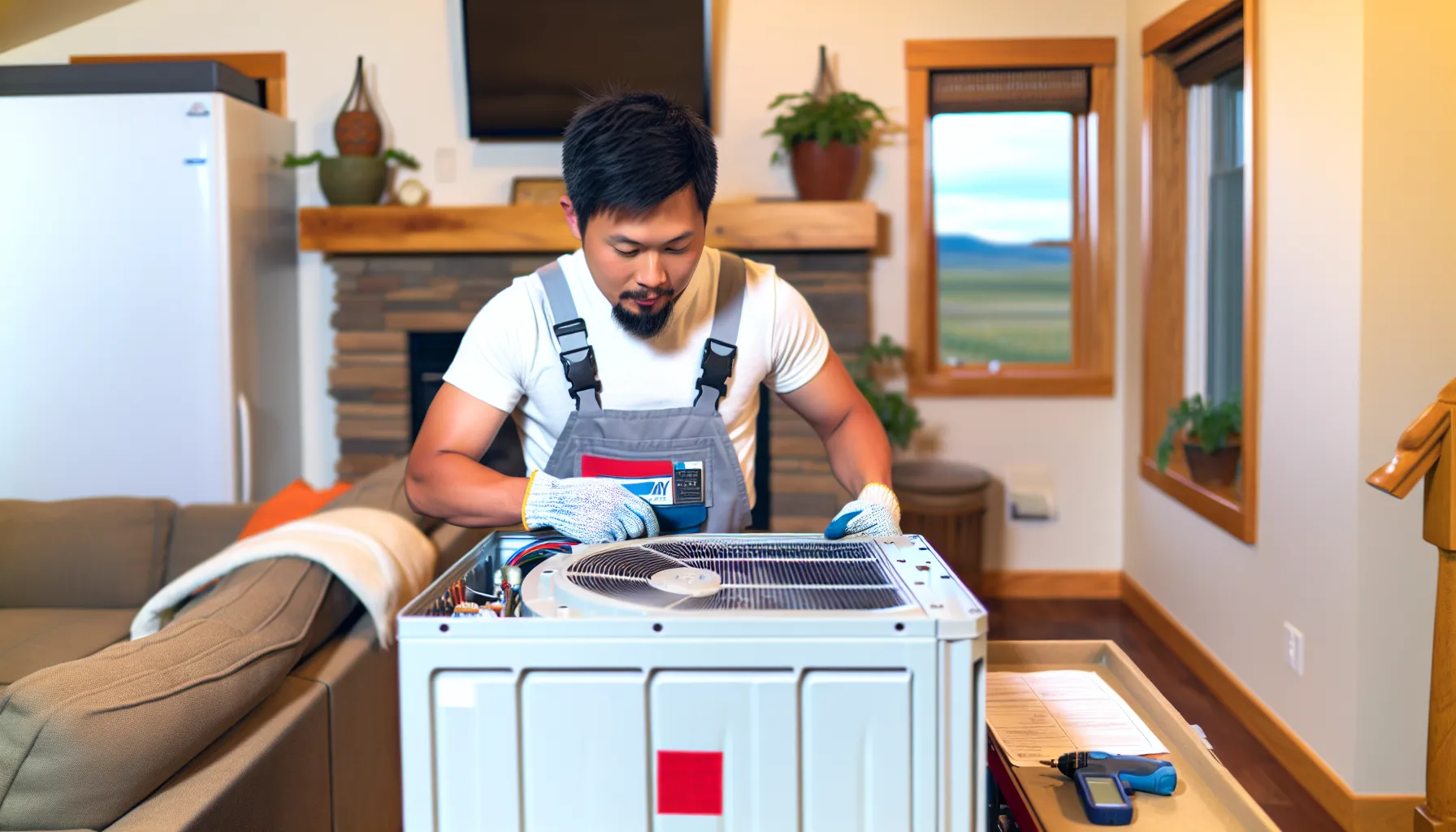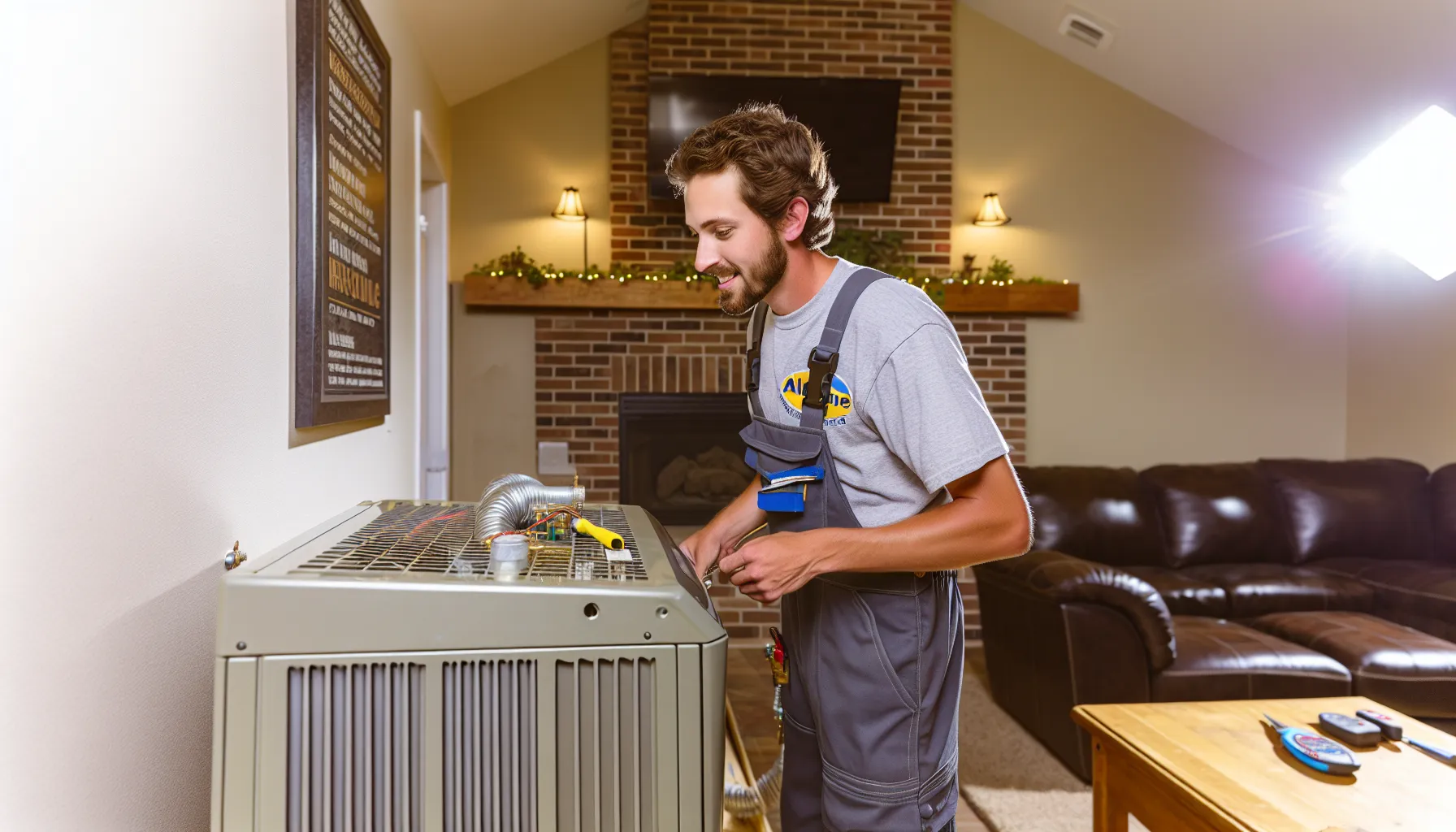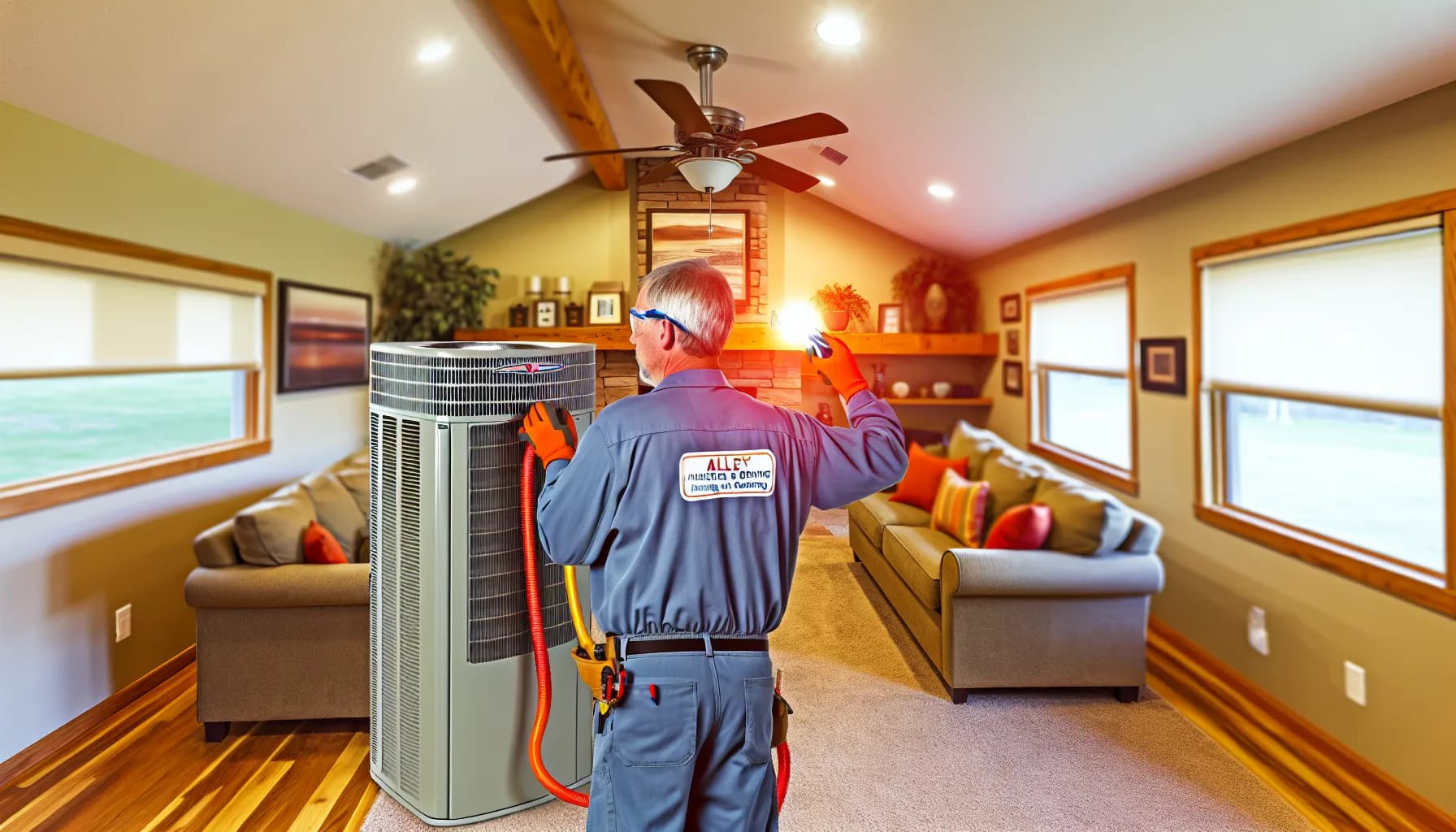
Preparing Your HVAC System for Summer in Colorado: Essential Maintenance Tips
Preparing Your HVAC System for Summer in Colorado: Essential Maintenance Tips
Colorado’s summer can be unpredictable, with blazing hot afternoons, cool mountain evenings, and occasional dust storms. For homeowners and small businesses across Greenwood Village, Englewood, Littleton, and the surrounding areas, getting your HVAC system ready for these conditions is essential. A well-prepared HVAC system keeps you comfortable, saves on energy bills, and prevents unexpected breakdowns during the hottest days. At Alloy Heating and Cooling, we want to empower you with practical, expert-backed maintenance tips so you can stay cool and confident all season long.
Why Preparing Your HVAC for Summer in Colorado Matters
Colorado’s Unique Summer Climate Challenges
Unlike more humid states, Colorado summers are marked by dry air, high temperatures, and dramatic temperature swings from day to night. Dust, pollen, and wildfire smoke can also stress HVAC systems, clog filters, and worsen indoor air quality. In places like Aurora, Parker, or Highlands Ranch, a sudden heatwave can push your air conditioner to its limits. By preparing early, you avoid last-minute emergencies and create a healthier indoor environment for your family or employees.
Benefits of Early HVAC Preparation
Getting ahead of the summer rush has real advantages. Early maintenance helps you:
- Catch small issues before they become costly repairs.
- Improve energy efficiency, lowering monthly utility bills.
- Enhance indoor air quality, particularly important in allergy-prone areas like Boulder or Erie.
- Extend the lifespan of your HVAC system.
For example, a homeowner in Centennial who scheduled spring maintenance avoided a mid-July breakdown when a technician spotted and fixed a worn capacitor. Proactive care makes all the difference.
Step-by-Step Guide to Prepare Your HVAC for Summer
Replace or Clean Air Filters
This is the simplest yet most impactful step. Dirty or clogged filters restrict airflow, reduce efficiency, and circulate dust throughout your home. In Colorado, where pollen and wildfire smoke can be prevalent, check your filter monthly. Replace or clean it every 1-3 months, or sooner if you have pets or allergies. A family in Lakewood noticed their cooling bills dropped by 15% after switching to high-efficiency filters and keeping them clean.
Inspect and Clean Air Vents and Ducts
Blocked vents cause uneven cooling and make your system work harder. Walk through your home and make sure vents are open and free from dust, pet hair, and furniture. If you notice persistent dust, musty odors, or reduced airflow, it may be time for a professional duct inspection. Business owners in Lone Tree often schedule duct cleaning before summer to ensure a comfortable, dust-free environment for staff and customers.
Check Thermostat Settings and Functionality
Test your thermostat well before the first heatwave. Set it to cooling mode and confirm the AC kicks on. If your home feels warmer than the setting, recalibrate or consider upgrading. Programmable thermostats help manage temperature changes, especially in Colorado’s variable climate, and can save you up to 10% a year on cooling costs. A homeowner in Castle Rock reduced their summer bills significantly after upgrading to a smart thermostat that adjusted settings automatically based on their schedule.
Clear Debris Around the Outdoor Unit
Outdoor condenser units are magnets for leaves, grass clippings, and dust, especially after spring storms. Turn off the power, then gently clear away debris from around the unit and hose down the coils. Keep at least two feet of clearance around the unit for optimal airflow. In Morrison and Golden, where foliage is abundant, this simple step can prevent overheating and improve efficiency.
Inspect Refrigerant Levels and Lines
Low refrigerant or leaking lines can lead to weak cooling and higher energy bills. Look for signs like ice buildup on the lines or hissing sounds. While homeowners can visually inspect for obvious leaks, only a licensed HVAC technician should handle refrigerant checks and repairs. Alloy Heating and Cooling often finds small leaks during preseason tune-ups that, when fixed early, prevent mid-summer system failures for households in Thornton and Broomfield.
Professional HVAC Maintenance: When to Call the Experts
Signs Your HVAC Needs Professional Attention
- Unusual noises (grinding, squealing, rattling)
- Inconsistent cooling or warm spots
- Spiking energy bills
- Weak or no airflow from vents
- Unpleasant odors (musty, burning, or chemical smells)
If you notice any of these, schedule professional service right away. For example, a small business in Northglenn noticed a burning smell and weak airflow. Our technicians found a failing blower motor and replaced it before it led to a complete system breakdown during peak season.
What to Expect During a Professional Inspection
A thorough HVAC inspection by Alloy Heating and Cooling typically includes:
- Checking refrigerant levels and testing for leaks
- Inspecting and cleaning coils and blower components
- Testing thermostat accuracy and controls
- Lubricating moving parts to reduce wear
- Examining electrical connections and tightening as needed
- Assessing overall system performance and efficiency
Our technicians provide a detailed report and recommend any needed repairs. This approach helped a homeowner in Evergreen catch a failing capacitor, avoiding a costly emergency call during a summer heatwave.
Energy-Efficiency Tips for Your HVAC System
Upgrading to a Programmable Thermostat
Programmable and smart thermostats allow you to set cooling schedules that match your daily routine. This prevents your system from running when you are away and helps offset Colorado’s temperature swings. In Boulder, a family set their thermostat to automatically raise the temperature during work hours and cool down before they arrived home, cutting unnecessary cooling and saving over $120 in summer energy costs.
Sealing and Insulating Ductwork
Leaky ducts can lose up to 30% of cooled air before it reaches your living spaces. Professional duct sealing and added insulation are especially important in older homes and buildings in areas like Denver and Wheat Ridge. Sealing gaps reduces energy waste and creates more consistent cooling throughout your home or business.
Routine Maintenance for Optimal Performance
Consistent maintenance is key to efficiency and reliability. Schedule annual professional tune-ups and keep up with basic homeowner tasks like changing filters and keeping vents clear. An Alloy Heating and Cooling customer in Ken Caryl doubled their system’s lifespan by sticking to a regular maintenance plan, saving thousands on premature replacement costs.
Common HVAC Issues in Colorado Summers and How to Prevent Them
Dealing with Dry Air and Allergens
Colorado’s dry climate leads to low humidity indoors, which can cause discomfort, static electricity, and respiratory irritation. Combine that with seasonal allergens and wildfire smoke, and indoor air quality can suffer. Consider installing a whole-home humidifier and high-quality air filters. In Franktown, a homeowner with severe allergies noticed a major improvement after upgrading to a HEPA filter and adding a humidifier to their HVAC system.
Preventing System Overloads During Heat Waves
When a heatwave strikes, systems often work overtime. This can trigger overloads or even breakdowns. To prevent this, keep up with maintenance, avoid drastically lowering your thermostat, and use ceiling fans to help circulate cool air. In Palmer Lake, a business owner set their thermostat a few degrees higher and used fans, which cut their AC runtime by 20% and kept their system from overheating during the hottest week of the year.
By following these essential maintenance tips and working with trusted professionals like Alloy Heating and Cooling, you can ensure your HVAC system is ready to handle everything a Colorado summer brings. Whether you live in Niwot, Monument, or right in the heart of Denver, preparation is the key to comfort and peace of mind all season long.
Frequently Asked Questions
How often should I replace my HVAC air filter during summer in Colorado?
It’s recommended to check your air filter monthly and replace it at least every 1-3 months, especially during heavy use in the summer.
Is professional HVAC maintenance necessary every year?
Yes, annual professional maintenance helps ensure your system runs efficiently, reduces the risk of breakdowns, and can extend the life of your HVAC unit.
What are the signs my HVAC needs repairs before summer?
Warning signs include unusual noises, inconsistent cooling, higher energy bills, weak airflow, or unpleasant odors coming from vents.
Can I clean my outdoor HVAC unit myself?
You can remove debris and gently rinse the exterior coils, but deeper cleaning and internal inspections should be handled by a professional.
How can I improve HVAC energy efficiency during Colorado summers?
Use a programmable thermostat, keep vents unobstructed, schedule routine maintenance, and ensure your home is well-insulated.

Alloy HVAC Team
HVAC experts with years of experience in the industry. We share tips, insights, and the latest trends in heating, ventilation, and air conditioning to help you maintain optimal comfort in your home or business.