How to Prepare Your HVAC System for Colorado’s Summer: Essential Maintenance Tips
How to Prepare Your HVAC System for Colorado’s Summer: Essential Maintenance Tips
As Colorado’s days grow longer and temperatures climb, your HVAC system becomes vital for home comfort and air quality. Preparing your system before summer hits ensures reliable cooling and energy savings all season long. Whether you live in Greenwood Village, Denver, Aurora, or Boulder, following these essential maintenance tips will help your home or business stay cool during even the hottest Front Range afternoons.
Why Preparing Your HVAC System for Colorado’s Summer Is Crucial
Colorado’s Unique Climate Challenges
Colorado’s summer weather can be unpredictable. Days swing from cool mornings to blazing afternoons, and dry air often carries dust and pollen. These conditions put your HVAC system through its paces. In the Denver metro area, for example, June and July often see temperature spikes above 90°F, sometimes topping 100°F. This intense heat, combined with low humidity and occasional wildfires, means your air conditioning will work harder and air filters can clog faster.
Benefits of Early HVAC Preparation
Getting ready before the first heatwave hits offers several advantages. Early preparation helps you avoid emergency breakdowns when HVAC companies are booked solid. It also allows you to spot minor issues before they become costly repairs, improves indoor air quality, and can lower your energy bills. For instance, a Highlands Ranch homeowner who had their AC serviced in May avoided a mid-July breakdown that left neighbors scrambling for emergency repairs during a heatwave.
Step-by-Step Guide to Prepare HVAC for Summer
Replace or Clean Air Filters
One of the simplest yet most effective steps is replacing or cleaning your HVAC air filters. In Colorado’s dusty, pollen-rich environment, filters can clog quickly, restricting airflow and forcing your system to work harder. Check filters monthly during peak summer and replace them at least every one to three months. If you have pets, live near open fields, or recently finished a home renovation, you may need to change filters even more frequently.
Real-World Example: A Parker homeowner noticed their AC struggling on hot afternoons. After replacing a clogged filter, airflow improved immediately, and the system cooled the home more efficiently.
Inspect and Clean Air Ducts and Vents
Dust, pet hair, and debris accumulate in your ductwork and vents over time, especially after winter. Use a vacuum to clean vent covers and remove visible dust. If you notice significant buildup, musty odors, or uneven cooling from room to room, consider professional duct cleaning. Cleaner ducts improve indoor air quality and help your system run more efficiently.
Real-World Example: A small business in Centennial struggled with uneven cooling in the office. A professional duct cleaning revealed blockages in key vents, resolving the issue and reducing employee discomfort.
Check Thermostat Settings and Functionality
As outdoor temperatures rise, review your thermostat settings. Make sure it switches seamlessly between heating and cooling modes and is set at an efficient temperature, typically around 78°F when you’re home. If you have an older manual thermostat, consider upgrading to a programmable or smart model. These allow you to set schedules, reducing energy use when the building is unoccupied.
Pro Tip: Programmable thermostats can save up to 10% per year on cooling costs in Colorado homes. An Englewood homeowner cut summer bills by $200 after switching to a smart thermostat that adjusted settings automatically based on occupancy.
Clean Around Outdoor Units
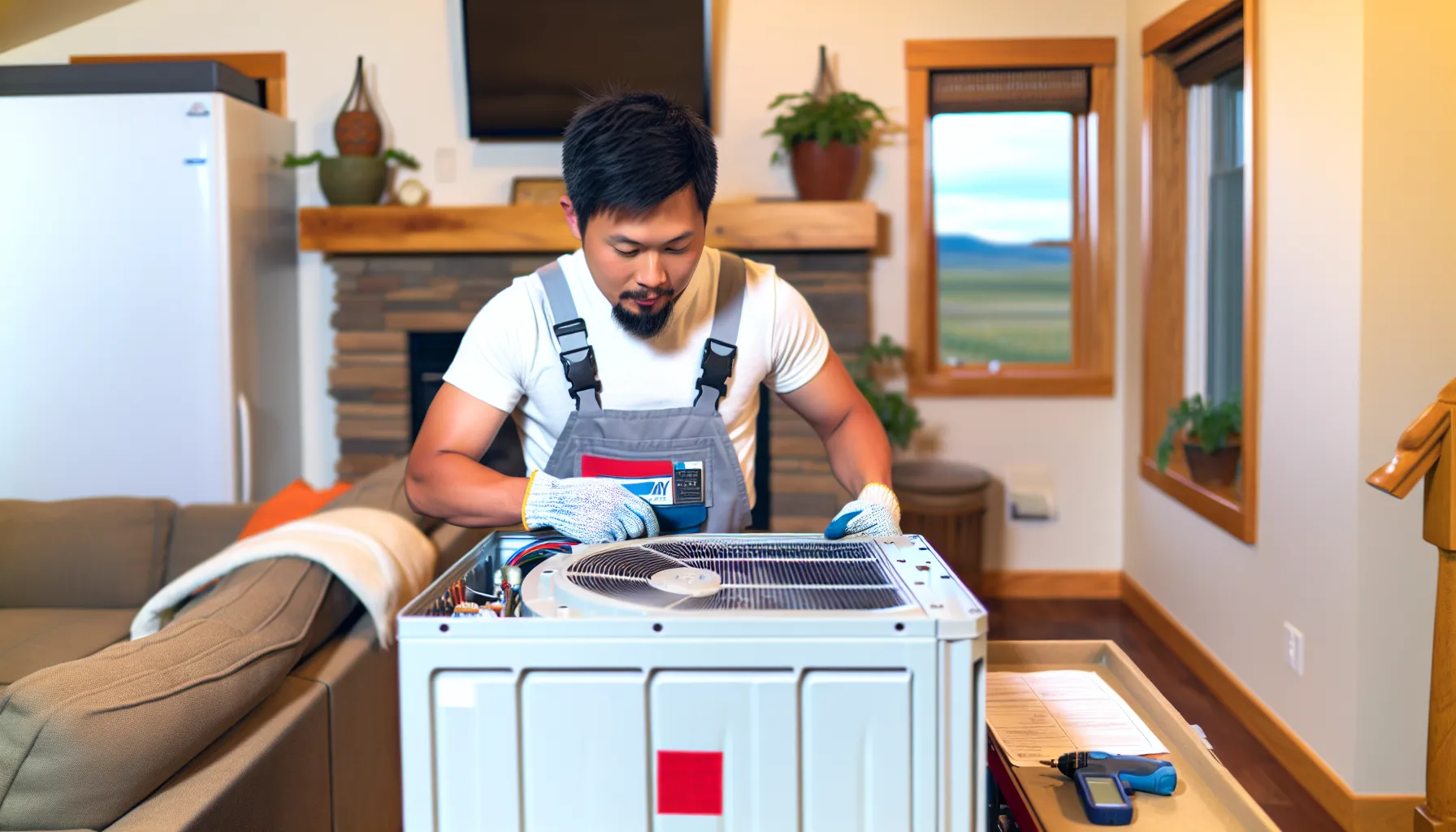
Your outdoor condenser unit needs clear airflow to work efficiently. Remove leaves, grass clippings, and debris from around the unit. Trim shrubs or plants so there’s at least two feet of clearance on all sides. Use a garden hose to gently rinse off dust and dirt from the fins, but avoid using high pressure, which can damage components.
Real-World Example: In Golden, a homeowner’s AC kept shutting off during peak heat. Clearing grass clippings and leaves from the outdoor unit resolved the problem and prevented overheating.
Test the System Before Peak Season
Don’t wait until the hottest day to turn on your air conditioner. Run your system for at least 30 minutes before summer arrives. Listen for strange noises, check for uneven cooling, and make sure the air feels cool. If anything seems off, schedule a professional inspection before demand rises.
Pro Tip: Early testing allows time for repairs or upgrades. In Castle Rock, a homeowner discovered a refrigerant leak in May and had it fixed promptly, avoiding a no-cool emergency in July.
Professional HVAC Maintenance: When to Call the Experts
Signs You Need Professional Inspection
- Weak or inconsistent airflow from vents
- Unusual noises such as grinding, squealing, or clicking
- Inconsistent temperatures from room to room
- Unexplained increase in energy bills
- Frequent cycling on and off
- Visible ice or water around the unit
If you notice any of these signs, it’s time to call a licensed HVAC technician. Many issues, such as refrigerant leaks or electrical faults, require professional tools and expertise to diagnose and repair safely.
What to Expect During a Maintenance Visit
A comprehensive HVAC maintenance visit typically includes:
- Checking and adjusting refrigerant levels
- Inspecting electrical connections and controls
- Lubricating moving parts
- Cleaning evaporator and condenser coils
- Testing the thermostat and system controls
- Examining ductwork for leaks or blockages
- Assessing overall system efficiency and safety
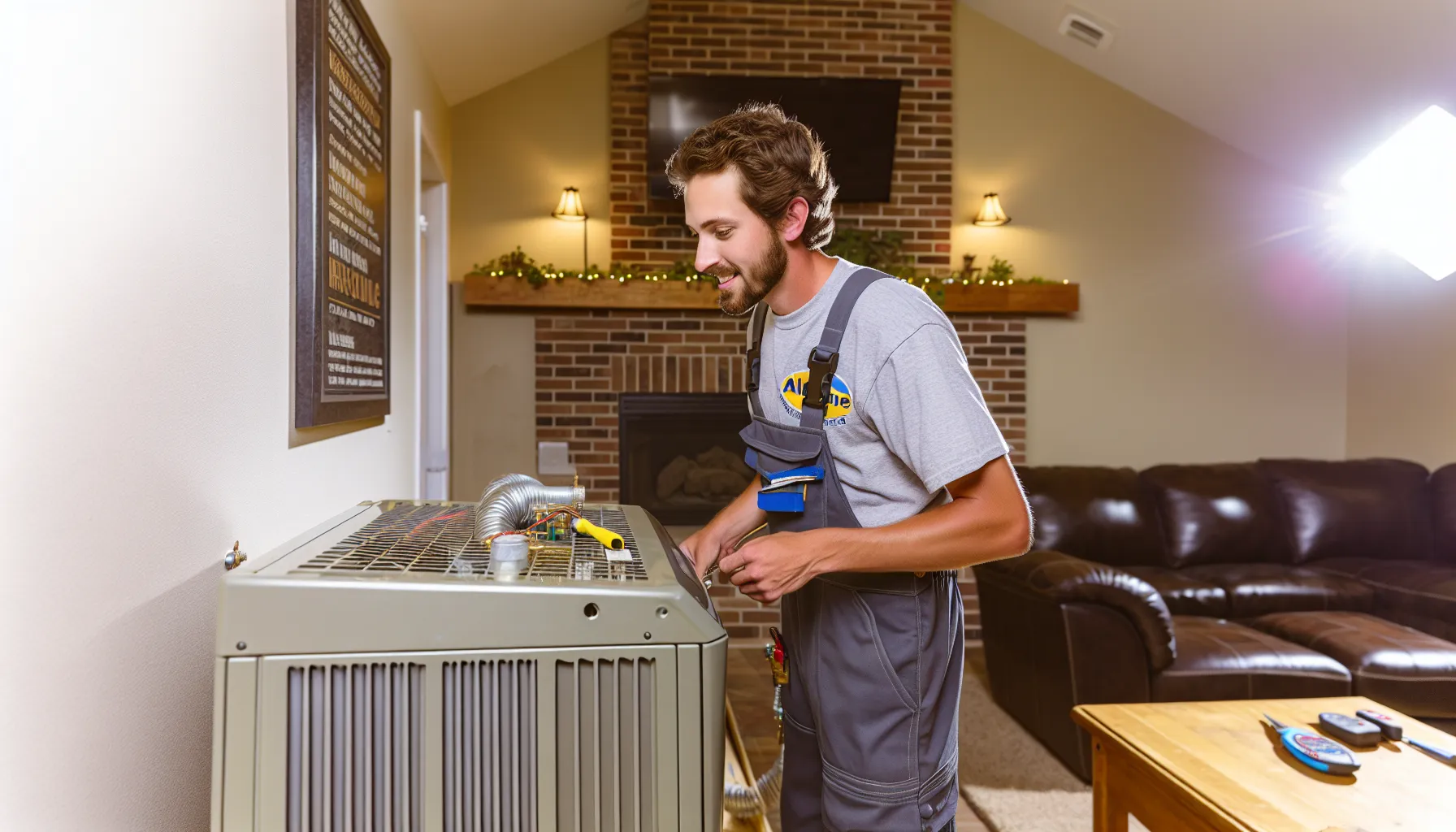
For example, a Lone Tree business scheduled annual HVAC maintenance with Alloy Heating and Cooling. The technician discovered an aging capacitor that was close to failing and replaced it, preventing a costly breakdown during a busy summer weekend.
Energy Efficiency Tips for Colorado Homes
Seal Leaks and Insulate
Hot air can sneak into your home through gaps in doors, windows, and attic spaces, making your AC work harder. Use caulk or weatherstripping to seal around windows and doors. Make sure your attic and walls are properly insulated to keep cool air inside. These steps can significantly lower cooling costs and improve comfort.
Example: In Aurora, homeowners who sealed attic leaks and added insulation noticed their AC ran less often and home temperatures stayed more consistent.
Upgrade to a Programmable Thermostat
A programmable or smart thermostat allows you to set cooling schedules, so your system runs only when needed. Some models even adapt to your habits or respond to local weather changes, maximizing efficiency. For instance, a Highlands Ranch couple installed a Wi-Fi thermostat and reduced their summer energy bill by programming higher temperatures while away at work.
Use Ceiling Fans and Window Treatments
Ceiling fans help circulate cool air, making rooms feel more comfortable at higher thermostat settings. Set fans to spin counterclockwise in summer. Close blinds or curtains during the hottest part of the day to block out solar heat, especially on south- and west-facing windows. Reflective shades or blackout curtains can further reduce heat gain.
Example: A Boulder homeowner combined ceiling fans and cellular shades, allowing them to raise their thermostat setting by two degrees without losing comfort, saving money on cooling costs.
By following these steps, homeowners and small businesses across Colorado’s Front Range can prepare their HVAC systems for summer’s demands. Regular maintenance not only keeps your system running smoothly but also ensures a cool, comfortable, and energy-efficient home or workspace, no matter how high the mercury climbs.
Frequently Asked Questions
How often should I replace my HVAC filters during summer in Colorado?
It’s recommended to check HVAC filters monthly and replace them at least every 1-3 months, especially during heavy use in Colorado’s dry, dusty summer months.
Can I prepare my HVAC system for summer myself or should I hire a professional?
Homeowners can handle basic tasks like changing filters and cleaning vents, but a professional inspection is advised annually to ensure optimal performance and safety.
What are signs that my HVAC system needs maintenance before summer?
Common signs include weak airflow, unusual noises, inconsistent cooling, or higher energy bills. Addressing these early helps prevent breakdowns during peak heat.
How can I make my HVAC system more energy efficient for Colorado’s summer?
Seal air leaks, insulate your home, use programmable thermostats, and schedule regular maintenance to improve energy efficiency and lower cooling costs.
Is it necessary to clean my HVAC’s outdoor unit before summer?
Yes, clearing debris and ensuring proper airflow around the outdoor unit helps the system run efficiently and prevents overheating during hot Colorado summers.

Alloy HVAC Team
HVAC experts with years of experience in the industry. We share tips, insights, and the latest trends in heating, ventilation, and air conditioning to help you maintain optimal comfort in your home or business.