How to Prepare Your HVAC System for Colorado’s Harsh Winter
How to Prepare Your HVAC System for Colorado’s Harsh Winter
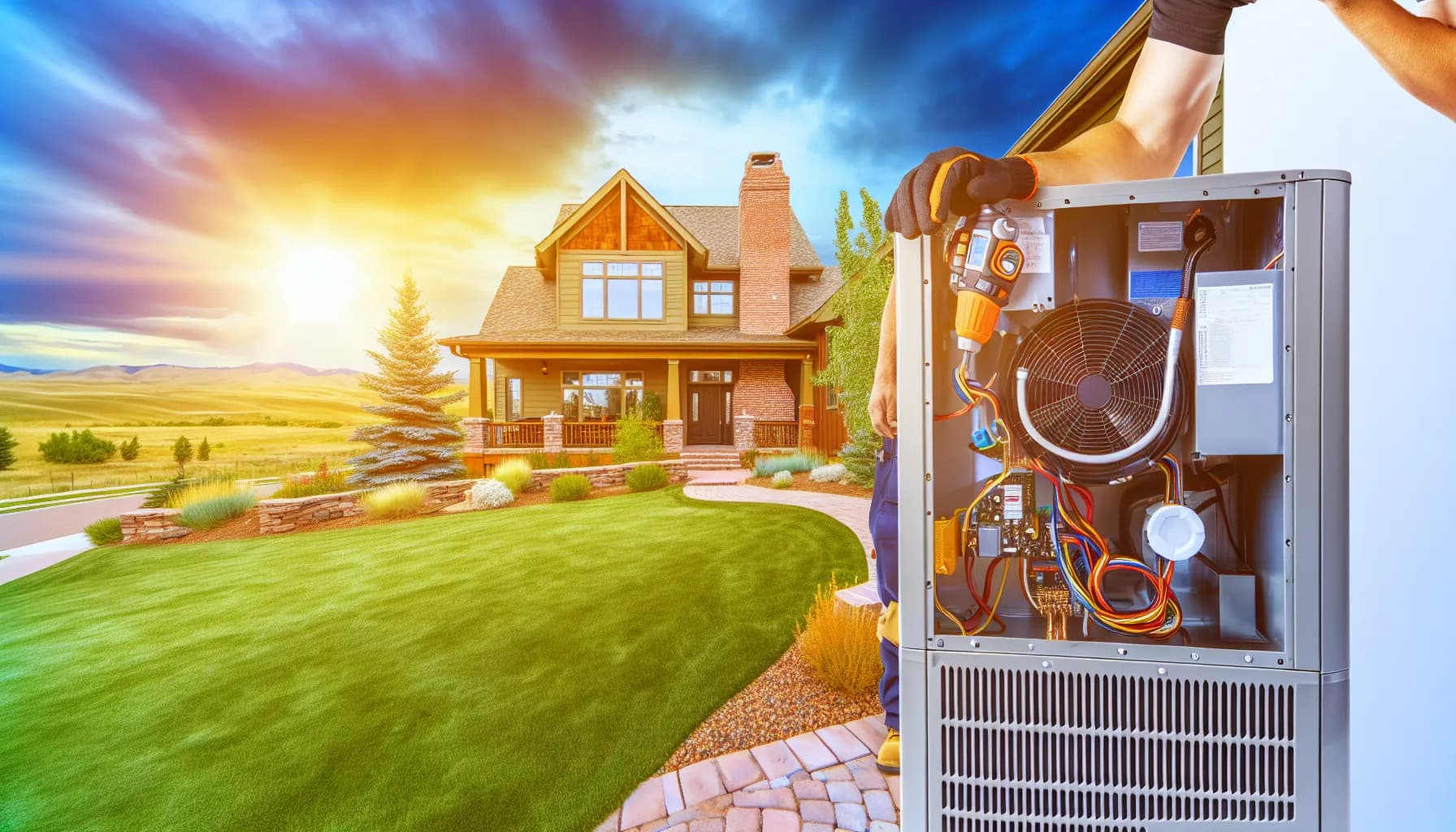
When winter arrives in Colorado, temperatures often plunge unexpectedly. Homeowners and small business owners in Greenwood Village, Englewood, Littleton, Lone Tree, Highlands Ranch, and other nearby communities know that a reliable heating system is not just a luxury but a necessity. Preparing your HVAC system before the snow hits can mean the difference between a cozy winter and costly, stressful repairs. At Alloy Heating and Cooling, we help our clients avoid the pitfalls of a harsh Colorado winter with thorough, expert HVAC care.
Why Preparing Your HVAC for Winter in Colorado Matters
Unique Challenges of Colorado Winters
Colorado’s winters bring more than just cold air. Rapid weather swings, heavy snow, and dry air put unique stress on heating systems. For example, in Highlands Ranch, a homeowner might experience a 50-degree day followed by a sudden snowstorm, forcing their furnace to work overtime. In areas like Boulder or Evergreen, freezing temperatures can put pipes at risk of bursting if they are not properly insulated.
Benefits of Early HVAC Preparation
Getting your HVAC system ready before winter ensures comfort, safety, and efficiency. Early preparation can:
- Prevent emergency breakdowns during freezing nights
- Improve indoor air quality by removing dust and allergens
- Reduce energy bills by optimizing system performance
- Extend the lifespan of your furnace and other HVAC components
For example, a Centennial couple who scheduled a fall maintenance visit avoided a mid-January furnace failure that left their neighbors scrambling for emergency repairs.
Step-by-Step Guide to Prepare HVAC for Winter
Inspect and Replace Air Filters
Dirty filters restrict airflow, forcing your furnace to work harder and use more energy. We recommend checking your filter monthly and replacing it at least every three months. If you have pets or allergies, more frequent changes may be necessary. One Greenwood Village family noticed their heating bills drop after switching to high-efficiency filters before winter.
Check and Clean Vents and Ducts
Blocked or dirty vents can lead to uneven heating and increase dust in your home. Walk through your home to ensure all vents and registers are free from furniture and debris. Consider scheduling professional duct cleaning every few years, especially if you notice excessive dust or uneven heating between rooms. In Lakewood, a small business owner improved employee comfort by addressing blocked vents discovered during a fall inspection.
Test Your Thermostat Settings
Before cold weather sets in, test your thermostat in both heating and cooling modes. Make sure it responds properly and maintains the desired temperature. For added savings, upgrade to a programmable thermostat so you can automatically lower the heat at night or when you are away. One Lone Tree customer cut monthly heating costs by 15% with a smart thermostat programmed for their family’s schedule.
Schedule Professional HVAC Maintenance
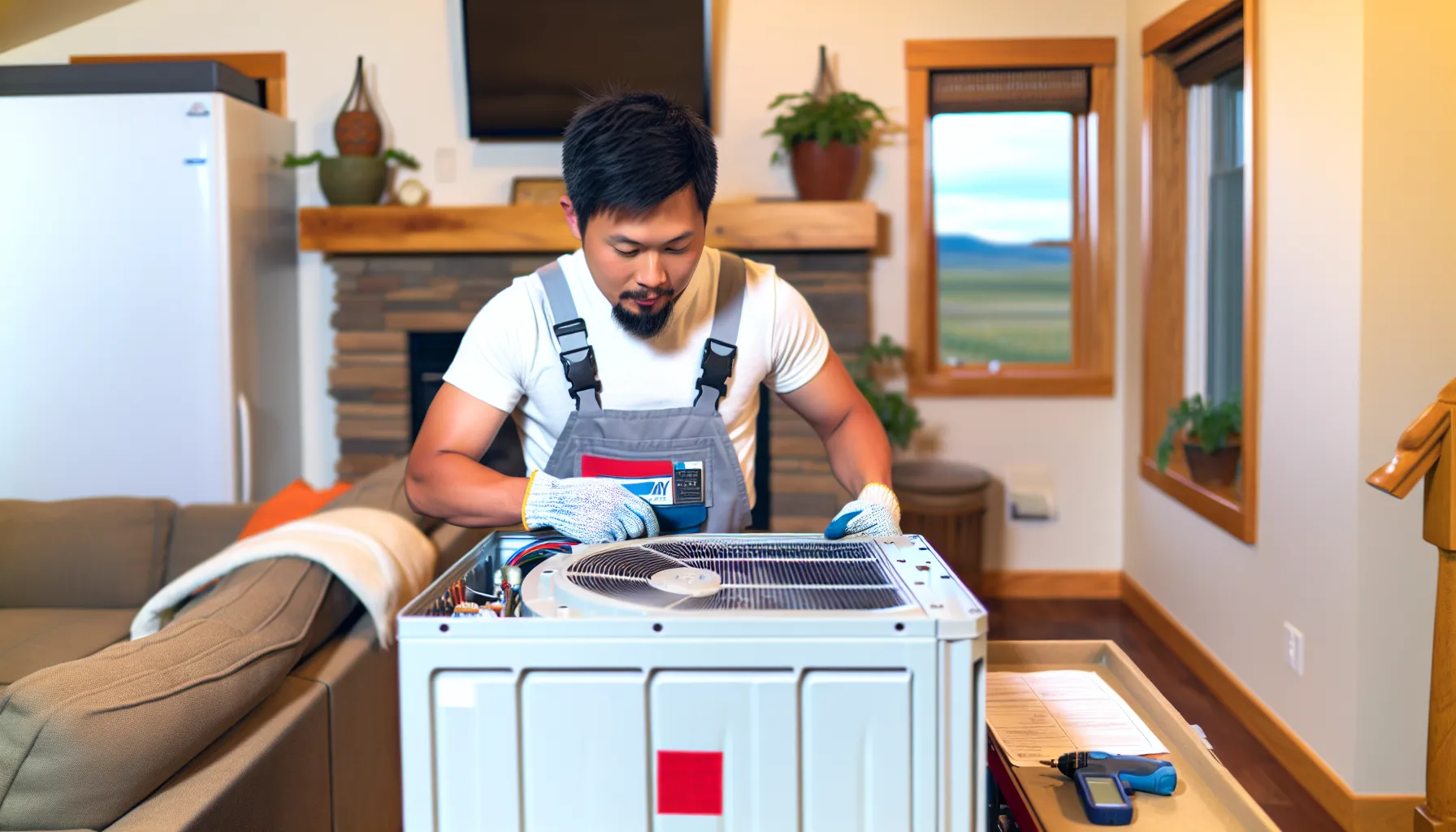
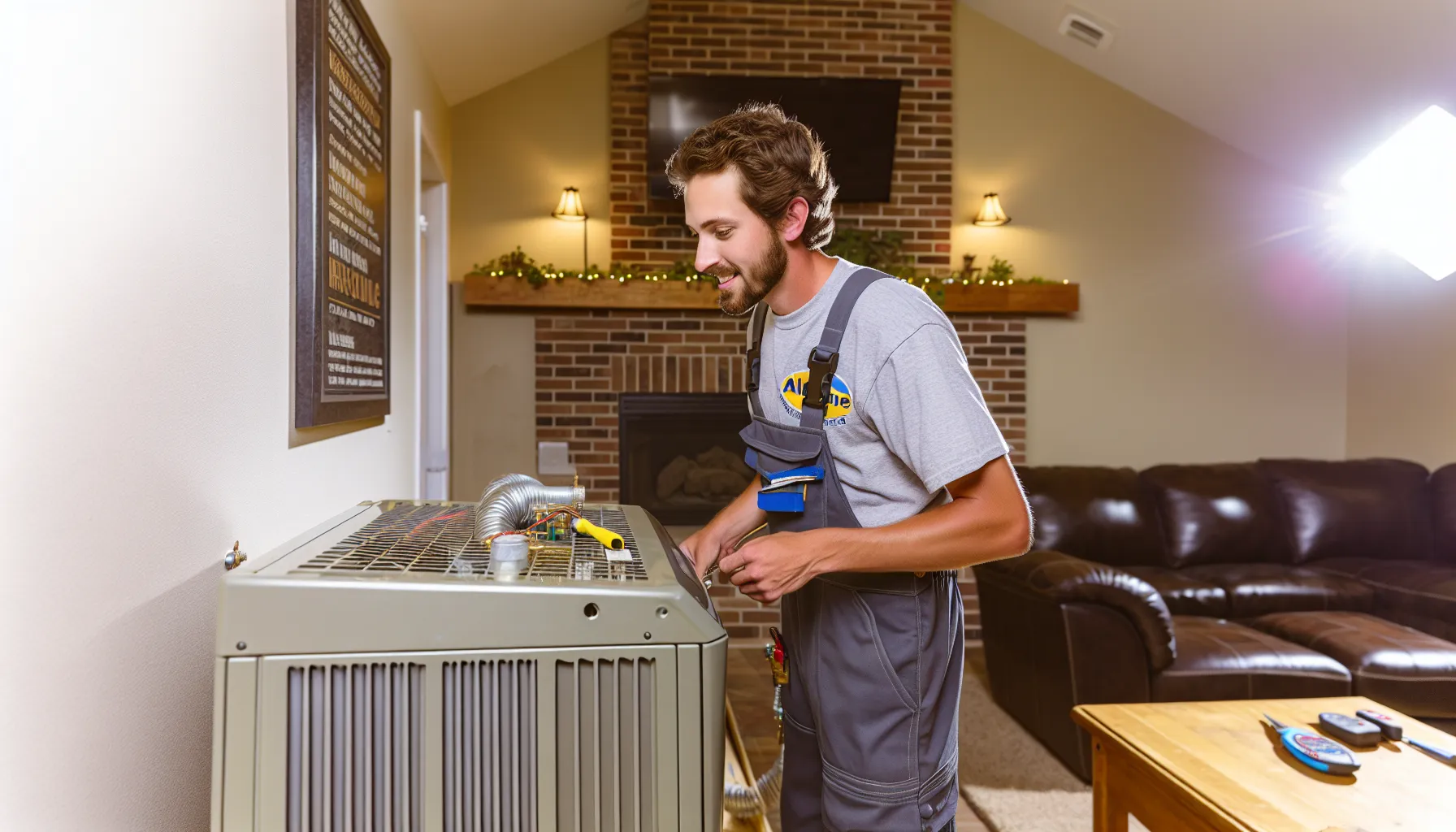
A professional inspection is the best way to catch minor issues before they become expensive problems. During a maintenance visit, a technician will:
- Check for worn or damaged parts
- Inspect electrical connections
- Test system safety controls
- Lubricate moving parts
- Check for carbon monoxide leaks
In Parker, a routine fall tune-up identified a cracked heat exchanger, allowing the homeowner to replace it before it leaked dangerous gases into the home.
Seal Leaks and Insulate Exposed Pipes
Drafts and uninsulated pipes can cause heat loss and increase the risk of frozen pipes. Inspect your home for drafts around windows, doors, and attic hatches. Use weatherstripping or caulking to seal leaks. Insulate any exposed HVAC pipes in basements, crawl spaces, or garages. In Castle Rock, a homeowner avoided costly water damage by insulating pipes in an unheated utility room.
DIY HVAC Maintenance vs. Professional Service
Tasks Homeowners Can Do
- Replace air filters regularly
- Vacuum and dust around vents and registers
- Test and program thermostat settings
- Seal drafts with weatherstripping
These basic steps keep your HVAC system running smoothly and can be handled with common household tools.
When to Call an HVAC Professional
Some HVAC tasks require specialized tools and expertise. Call a professional for:
- Annual furnace inspections and tune-ups
- Duct cleaning and deep system diagnostics
- Strange noises, inconsistent heating, or persistent odors
- Installing or upgrading thermostats and control systems
In Commerce City, a homeowner who noticed a burning smell during the first cold snap avoided a furnace fire by having a technician find and fix a faulty blower motor.
Common HVAC Issues During Colorado Winters
Frozen Pipes and Components
Severe cold can freeze pipes, leading to bursts and water damage. Regularly check and insulate vulnerable pipes. Keep your thermostat set above 55°F, even when away.
Uneven Heating Across Rooms
Rooms farthest from the furnace often feel colder. This can happen due to blocked vents, poorly sealed ductwork, or an undersized system. Professional duct balancing or system upgrades may be needed to ensure even comfort.
Unusual Noises or Odors
Loud banging, rattling, or burning smells can signal mechanical problems or blocked airflow. Address these issues quickly to avoid further damage and ensure safety.
Energy-Saving Tips for Winter HVAC Use
Setting Programmable Thermostats
Lowering the temperature 7-10 degrees for eight hours a day can save up to 10% annually on heating bills. Set your thermostat to drop at night or when you are away, then return to comfort before you wake or arrive home.
Maximizing Efficiency with Zoning
Consider upgrading to a zoned HVAC system, which lets you heat only the rooms you use most. This is especially useful in larger homes or small businesses with unused areas. In Niwot, a family with a finished basement saved on energy costs by installing zone dampers, reducing heat to rarely used rooms.
Preparing your HVAC system for Colorado’s winter is an investment in comfort, safety, and efficiency. Whether you perform basic maintenance yourself or rely on the seasoned professionals at Alloy Heating and Cooling, early action helps you stay warm and worry-free all season long.
Frequently Asked Questions
How often should I have my HVAC system serviced before winter?
It’s recommended to schedule a professional HVAC maintenance check at least once a year, preferably in the fall before winter temperatures arrive.
What are signs my HVAC system needs repairs before winter?
Warning signs include unusual noises, weak airflow, inconsistent heating, or higher-than-normal energy bills.
Can I prepare my HVAC for winter myself?
Homeowners can take basic steps like changing filters, cleaning vents, and checking thermostats, but some tasks require professional expertise.
How can I prevent my HVAC pipes from freezing in Colorado?
Insulate exposed pipes, keep your home at a consistent temperature, and consider leaving faucets dripping during extreme cold to prevent freezing.
Does preparing my HVAC for winter help reduce energy costs?
Yes, a well-maintained HVAC system runs more efficiently, which can lower your heating bills during Colorado’s harsh winter months.

Alloy HVAC Team
HVAC experts with years of experience in the industry. We share tips, insights, and the latest trends in heating, ventilation, and air conditioning to help you maintain optimal comfort in your home or business.