How Much Does It Cost to Install a New HVAC System in Colorado?
How Much Does It Cost to Install a New HVAC System in Colorado?
As a homeowner or small business owner in Colorado, investing in a new HVAC system is a significant decision. The cost to install a new HVAC system varies depending on several factors, including the size of your property, the type of system you choose, and unique climate considerations across cities like Greenwood Village, Englewood, Littleton, and Denver. Understanding what goes into HVAC installation costs can help you make an informed choice that fits your comfort needs and budget.
Average HVAC Installation Cost in Colorado
Typical Price Range for HVAC Installation
In Colorado, installing a new HVAC system typically costs between $6,000 and $12,000. This range covers most residential installations, with commercial and large custom homes skewing higher. For example, a homeowner in Highlands Ranch installing a mid-range central air and furnace package might pay around $8,500, while a small business in Boulder upgrading to a high-efficiency heat pump could see costs closer to $11,000.
Factors Influencing Cost in Colorado
Several regional and technical factors impact the final price of your HVAC installation:
- Home size and layout: Larger homes in Castle Pines or multi-level properties in Aurora require more powerful systems and potentially more extensive ductwork.
- System efficiency: High-efficiency units cost more upfront but deliver long-term savings, which is especially important in Colorado’s variable climate.
- Local labor rates: Costs can be higher in urban areas like Denver compared to smaller towns like Sedalia.
- Permitting and inspections: Colorado has strict codes to ensure safety and efficiency, which can affect pricing.
- Existing infrastructure: Upgrading from an old, inefficient system can require electrical or ductwork modifications.
Breakdown of HVAC Installation Costs
Equipment Costs: Furnace, AC, and Heat Pump
The largest portion of your investment is the HVAC equipment itself:
- Furnace: A standard gas furnace for a 2,000-square-foot home in Parker typically costs $2,000, $4,000.
- Air Conditioner: Central air units range from $3,000, $5,000 depending on SEER rating and brand.
- Heat Pump: All-electric heat pumps, popular in Evergreen and Niwot for their efficiency, cost $4,500, $8,000 installed.
For example, a family in Westminster might choose a dual-fuel system (furnace plus heat pump) for year-round comfort and efficiency, resulting in a higher upfront cost but lower monthly energy bills.
Labor and Permitting Fees
Professional installation and permit fees are the next largest expense, usually representing $2,000, $4,000 of the total. This includes:
- Removing old equipment
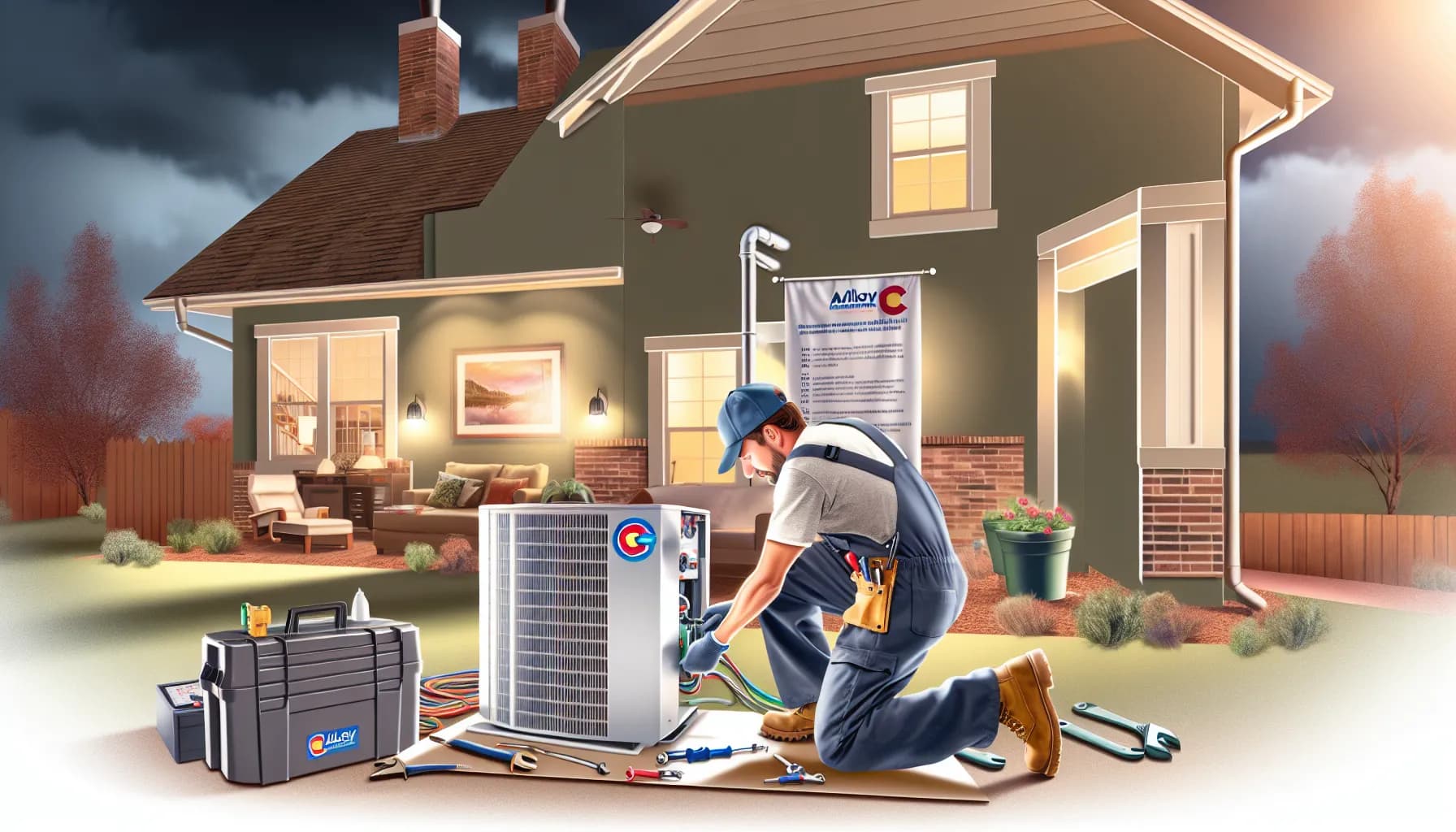
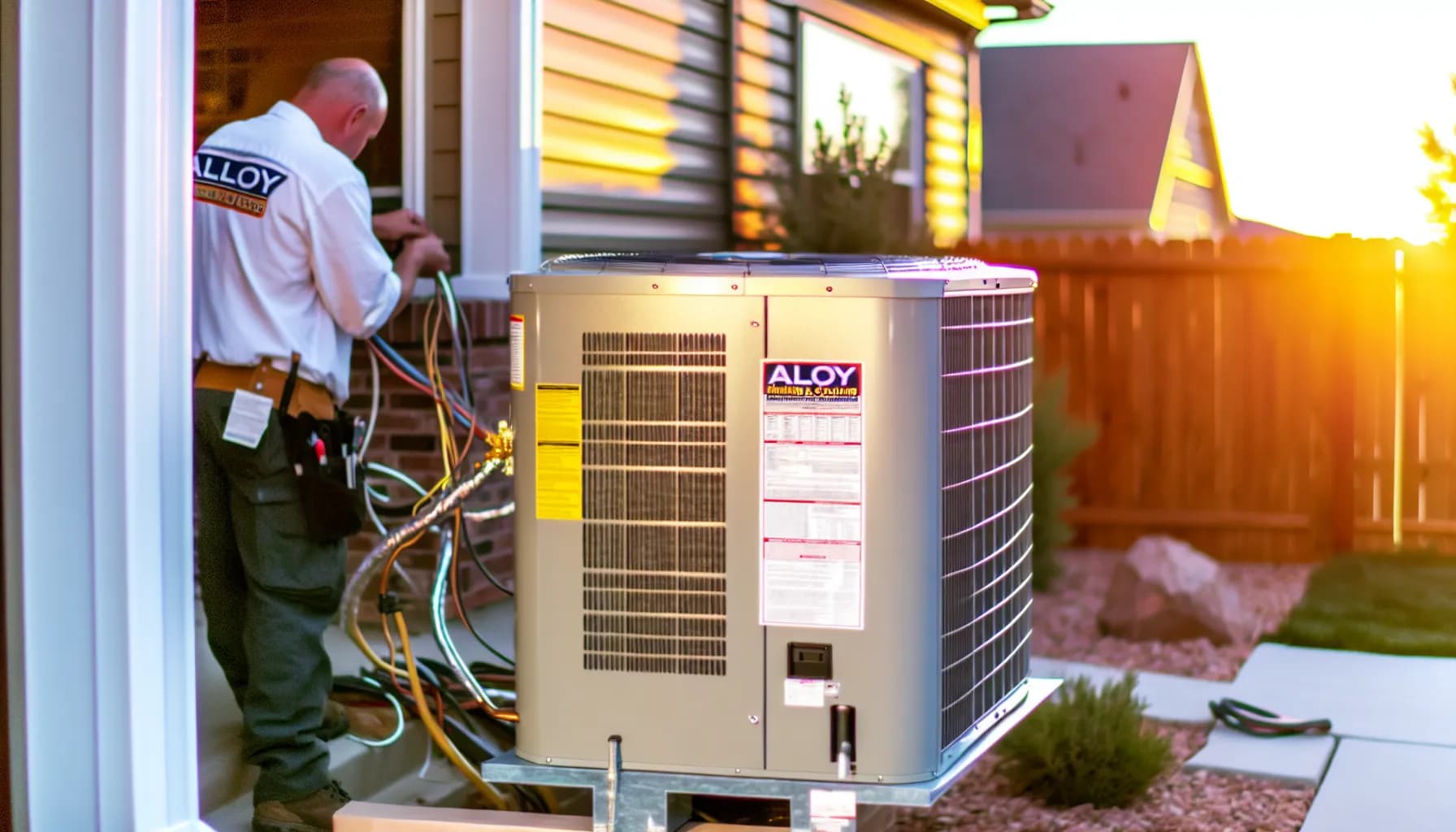
- Setting up new units
- Connecting electrical and gas lines
- Testing and system balancing
- City or county permits, which vary by location (for instance, Denver, Lakewood, and Arvada each have their own permit processes)
At Alloy Heating and Cooling, we always include permitting and code compliance in your estimate for peace of mind.
Additional Features and Upgrades
Many Colorado homeowners opt for upgrades that improve comfort and air quality. These can add $500, $2,500 to your project, depending on your needs:
- Smart thermostats for remote control and energy savings
- Whole-home humidifiers to combat Colorado’s dry air
- Advanced air filtration (great for allergy sufferers in areas like Boulder and Morrison)
- Zoning systems for multi-level homes
For instance, a homeowner in Roxborough Park with a history of allergies may add a HEPA filtration system during installation for better indoor air quality.
Types of HVAC Systems and Their Costs
Central Air Conditioning and Furnace Systems
Central HVAC systems are the most common in Colorado and are generally the most cost-effective for whole-home comfort. Expect a complete central AC and gas furnace system to run $7,000, $11,000 installed, depending on efficiency and home size. For example, a 2,500-square-foot home in Centennial might need a 4-ton AC and a 100,000 BTU furnace for optimal comfort.
Heat Pump Systems
Heat pumps are gaining popularity in Colorado, especially with recent incentives for electrification and energy efficiency. A heat pump system for a typical home costs $8,000, $15,000 installed, but rebates can help offset this. Homeowners in Boulder and Golden often choose heat pumps for both heating and cooling in one unit, especially in newer, well-insulated homes.
Ductless Mini-Split Systems
Ductless mini-splits are ideal for homes without existing ductwork or for additions and remodels. Each indoor head serves its own zone, providing flexible comfort. Installation costs typically range from $4,500 for a single-zone system to $10,000 or more for multi-zone setups. For instance, a small business in Monument retrofitted an older building with a multi-zone mini-split system to avoid costly duct installation and gained efficient, quiet cooling for staff and customers.
How to Save on HVAC Installation in Colorado
Rebates and Incentives
Colorado offers a variety of rebates and incentives for energy-efficient HVAC systems. Xcel Energy, Black Hills Energy, and other local utilities provide rebates for qualifying high-efficiency furnaces, air conditioners, and heat pumps. In addition, federal tax credits are available for certain systems under the Inflation Reduction Act. For example, a homeowner in Erie recently received $1,500 in utility rebates plus a federal tax credit for installing a high-efficiency heat pump, lowering their net cost substantially.
Choosing the Right Installer
Hiring an experienced, licensed HVAC contractor like Alloy Heating and Cooling ensures your system is sized and installed correctly. Proper installation directly impacts system efficiency, longevity, and comfort. Always ask about:
- Licensing and insurance
- Local experience (important for navigating city-specific codes in Denver, Aurora, and Broomfield)
- References and reviews
- Detailed written estimates
Choosing a reputable installer can save you money on repairs and utility bills over the life of your system.
Maintenance Tips for Long-Term Savings
Regular maintenance is key to maximizing your investment. Alloy Heating and Cooling recommends annual tune-ups and filter replacements to keep your system running efficiently. A well-maintained HVAC system lasts longer, uses less energy, and is less likely to require costly emergency repairs. For example, a homeowner in Castle Rock who enrolled in our maintenance plan reported 20% lower annual energy bills and fewer service calls over five years.
Conclusion
Installing a new HVAC system in Colorado is a significant investment, but the right system delivers reliable comfort, energy savings, and improved air quality for years to come. By understanding the factors that affect cost and exploring rebates, you can make the most of your budget. If you are considering a new HVAC installation in Greenwood Village, Highlands Ranch, Aurora, Denver, or anywhere in the Front Range, Alloy Heating and Cooling is here to help with expert advice and professional service.
Frequently Asked Questions
What is the average cost to install a new HVAC system in Colorado?
The average cost to install a new HVAC system in Colorado ranges from $6,000 to $12,000, depending on the type and size of the system, as well as installation complexity.
Which factors most affect HVAC installation cost?
Major factors include the size and efficiency of the HVAC system, home square footage, ductwork requirements, labor rates, and any additional features or upgrades.
Do Colorado homeowners qualify for rebates or incentives?
Yes, many homeowners in Colorado can qualify for rebates and incentives through state programs and utility companies for installing energy-efficient HVAC systems.
How long does HVAC installation typically take?
Most HVAC installations in Colorado take between one and three days, depending on the scope of work and whether ductwork modifications are needed.
Is it cheaper to replace only part of my HVAC system?
While replacing only certain components may seem cheaper upfront, a full system replacement often provides better efficiency and long-term savings, especially if your existing system is outdated.

Alloy HVAC Team
HVAC experts with years of experience in the industry. We share tips, insights, and the latest trends in heating, ventilation, and air conditioning to help you maintain optimal comfort in your home or business.