Average Cost of HVAC Installation in Colorado Springs: What Homeowners Should Expect
Average Cost of HVAC Installation in Colorado Springs: What Homeowners Should Expect
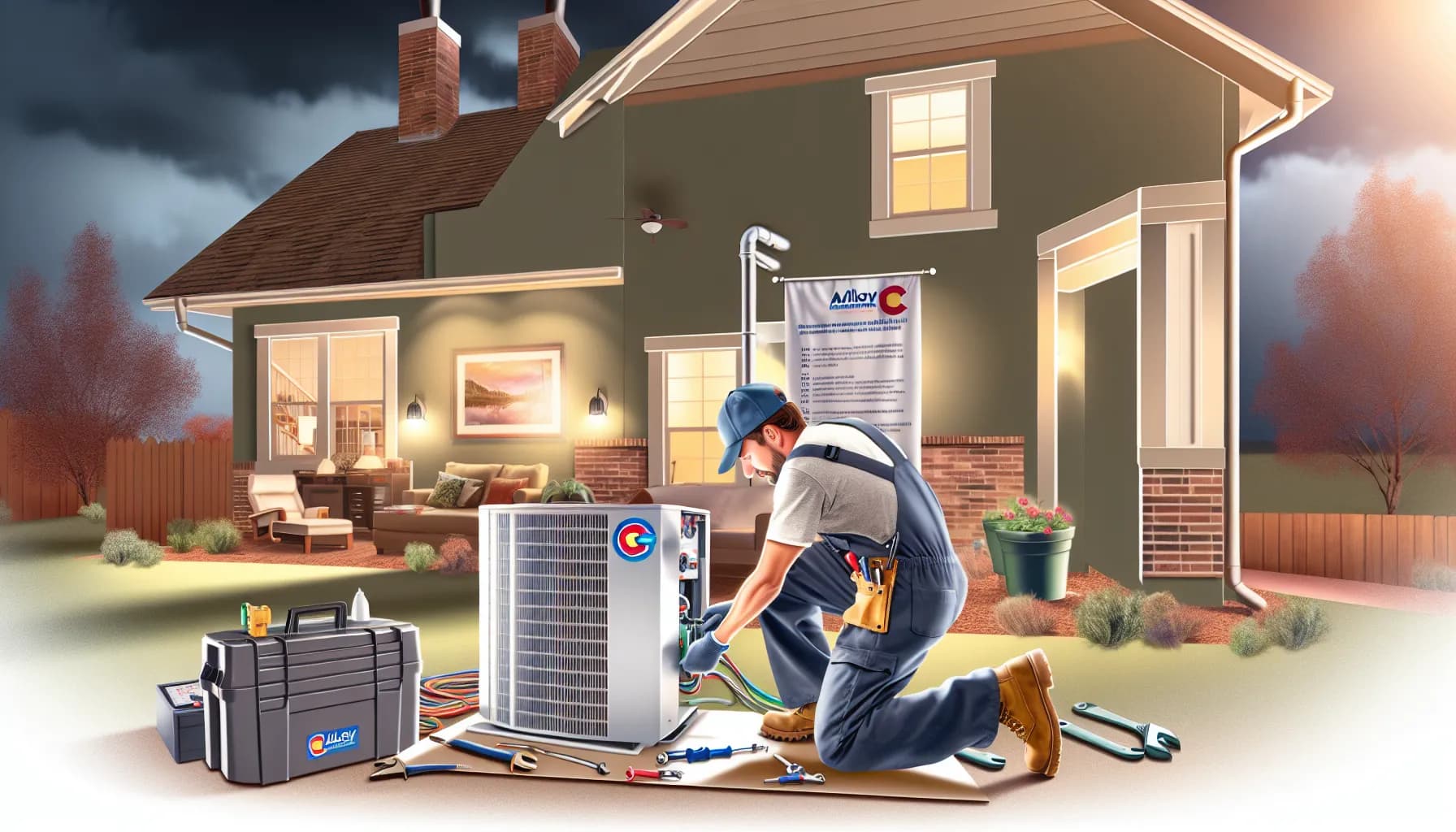
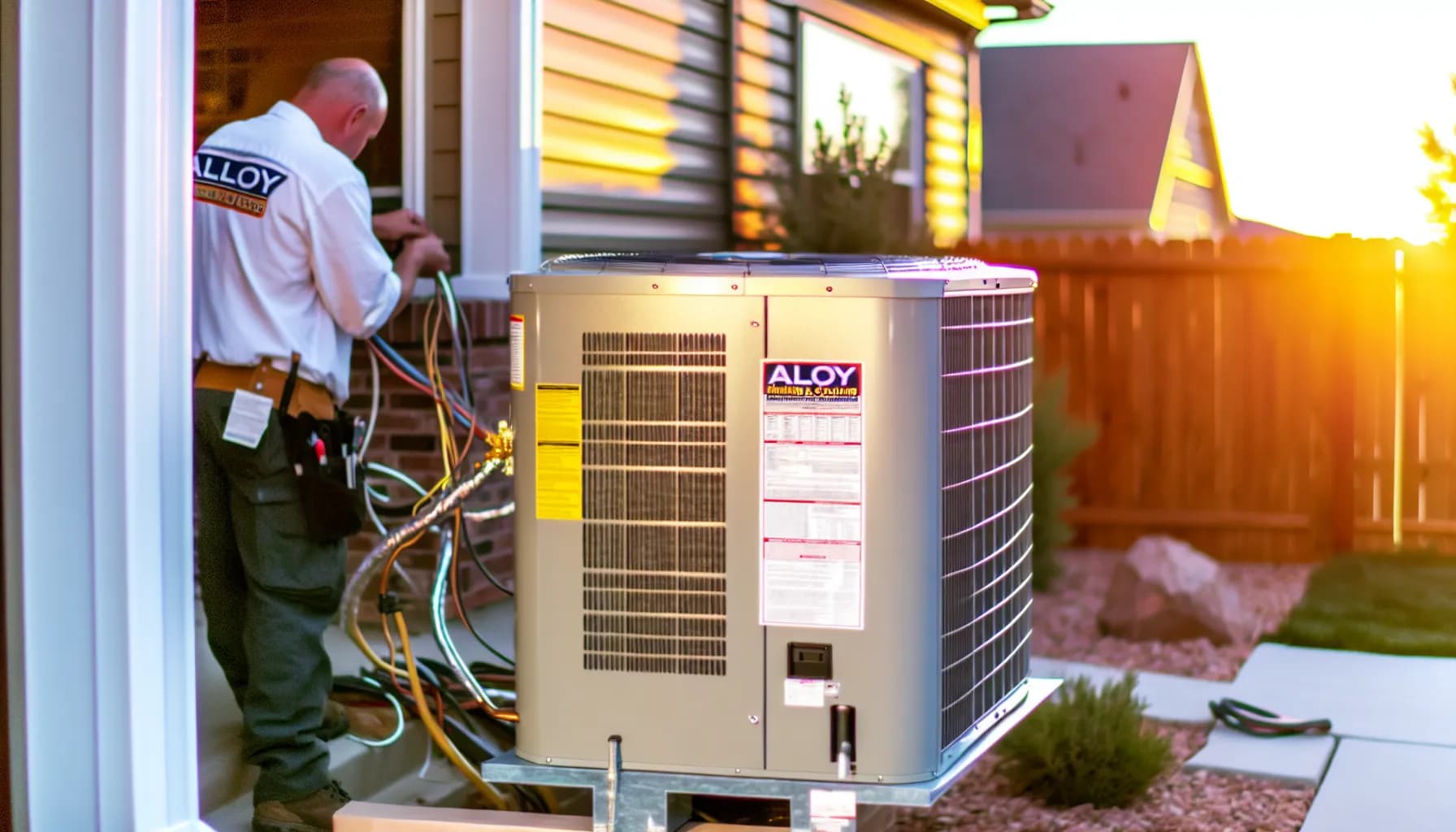
When it comes to comfort and air quality in your home or business, installing a new HVAC system is one of the most important investments you can make. Colorado Springs homeowners are often curious about what they should expect to pay for a new heating and cooling system. At Alloy Heating and Cooling, we understand that transparency and knowledge are essential for making the right decision. This comprehensive guide breaks down the average cost of HVAC installation in Colorado Springs, what influences these costs, and how you can get the most value from your investment.
Understanding HVAC Installation Costs in Colorado Springs
What Factors Influence HVAC Installation Cost?
Several variables impact the cost of HVAC installation in Colorado Springs. The size and layout of your home, the type of system you choose, energy efficiency ratings, and even the age of your home all play a role. For example, a newer home with modern ductwork may have a lower installation cost compared to a century-old Victorian that requires extensive duct modifications. The complexity of the installation, such as the need to retrofit older structures or work with multi-story homes, can also influence labor hours and ultimately, the final price.
Another factor is Colorado’s unique climate. Colorado Springs experiences both chilly winters and hot summers, so most homeowners opt for systems that provide both heating and cooling. This dual functionality can affect both equipment selection and installation requirements.
Average Price Range for HVAC Installation
On average, Colorado Springs homeowners can expect to pay between $5,000 and $12,000 for a complete HVAC installation. This range covers standard central air systems with a furnace and AC unit for a typical 2,000-square-foot home. Smaller homes or basic systems may fall on the lower end of the spectrum, while larger homes, high-efficiency systems, or complex installations can exceed $12,000. Commercial installations or homes requiring extensive ductwork modifications may see higher costs as well.
For example, a family in the Stetson Hills neighborhood recently upgraded to a high-efficiency heat pump system with smart zoning controls. Their 2,500-square-foot home required minor ductwork adjustments, and the project totaled about $10,500, including equipment, labor, and permitting.
Breakdown of HVAC Installation Costs
Cost of Equipment vs. Labor
The total cost of HVAC installation can be divided into two main categories: equipment and labor. Equipment costs typically account for 60-70% of the total price and include the furnace, air conditioner or heat pump, thermostats, and any necessary accessories such as air purifiers or humidifiers. Higher-end systems with advanced features or higher SEER (Seasonal Energy Efficiency Ratio) and AFUE (Annual Fuel Utilization Efficiency) ratings will cost more upfront, but can offer significant energy savings over time.
Labor costs cover the time and expertise required to remove the old system, install the new equipment, connect electrical and gas lines, and test the system for safety and performance. Labor charges can vary based on the scope of work, the need for additional technicians, and the complexity of the installation. For instance, a custom home in Broadmoor with three HVAC zones required longer installation time and specialized ductwork, resulting in higher labor costs compared to a straightforward swap in a newer subdivision.
Additional Expenses to Consider
Beyond equipment and labor, there are other potential costs to keep in mind:
- Ductwork: Replacing or upgrading ductwork can add $2,000 to $4,000 or more, especially in older homes where ducts are undersized or leaky.
- Permits and Inspections: Local building codes often require permits and inspections for HVAC installations. These fees vary by municipality, but typically add $200 to $500.
- Electrical or Gas Upgrades: Older homes may need panel upgrades or new gas lines to accommodate modern HVAC systems. These upgrades can cost several hundred to a few thousand dollars, depending on the scope.
- Add-ons: Air quality enhancements like whole-home humidifiers, UV lights, or advanced filtration systems increase comfort but also add to the total investment.
Real-world example: One homeowner in Old Colorado City discovered that their existing ductwork was not compatible with the new high-efficiency furnace they wanted. The additional ductwork replacement added $3,200 to their project, but it improved airflow and comfort throughout the home.
Choosing the Right HVAC System for Your Home
Types of HVAC Systems Available
Colorado Springs residents can choose from several types of HVAC systems, each with its own cost considerations:
- Split System (Furnace and AC): The most common for single-family homes. Offers reliable heating and cooling but requires ductwork.
- Heat Pumps: Efficient for both heating and cooling, especially in moderate climates. May cost more upfront but save on energy bills.
- Ductless Mini-Splits: Best for homes without existing ducts or for additions. Installation is typically quicker, but each indoor unit adds to the cost.
- Packaged Systems: Often used in commercial settings or homes with limited indoor space. These combine heating and cooling components in a single outdoor unit.
Choosing the right system depends on your home’s design, energy goals, and budget. A professional assessment from Alloy Heating and Cooling ensures the best match for your needs and helps avoid common pitfalls like oversized or undersized equipment.
How System Size Affects Installation Cost
Proper system sizing is crucial for comfort, energy efficiency, and long-term reliability. An HVAC system that is too small won’t keep your home comfortable during Colorado’s temperature swings, while an oversized system will cycle on and off too frequently, leading to higher energy bills and premature wear.
System size is measured in tons for cooling and BTUs for heating. The right size is determined by a detailed load calculation that considers square footage, insulation, window type, and local climate. Larger systems cost more in both equipment and installation. For example, upgrading from a 2-ton to a 4-ton system to serve a larger home can increase your total project cost by $1,500 to $3,000. Alloy Heating and Cooling offers comprehensive load calculations as part of our installation process to ensure the right fit for every home.
Tips for Saving Money on HVAC Installation
Comparing Quotes from Local Contractors
Smart homeowners shop around before making a decision. Get multiple quotes from licensed, insured, and experienced contractors in Colorado Springs. Look beyond the bottom-line price to compare warranties, included services, and reputation. Ask for a detailed, written estimate that breaks down equipment, labor, and potential additional costs. This helps you avoid surprises and ensures you’re getting a fair deal.
Be wary of quotes that seem too good to be true. Inexperienced or unlicensed installers may cut corners, leading to costly repairs or safety issues down the line. Choosing a trusted local company like Alloy Heating and Cooling means you benefit from local expertise and a commitment to quality workmanship.
Taking Advantage of Rebates and Incentives
Many utility companies and government programs in Colorado Springs offer rebates and incentives for installing energy-efficient HVAC systems. Xcel Energy and Colorado Springs Utilities frequently run promotions for high-efficiency furnaces, air conditioners, and heat pumps. These rebates can range from $200 to over $1,000, depending on the system and its efficiency rating.
Federal tax credits are also available for certain energy-saving upgrades. In 2024, homeowners can claim up to 30% back on qualifying HVAC installations through the Inflation Reduction Act. Check with your contractor and utility provider to ensure you maximize all available savings.
Example: A small business owner in the Downtown Colorado Springs area recently installed a high-efficiency rooftop unit. By combining local rebates and federal incentives, they reduced their total cost by $1,800, making the upgrade more affordable while lowering their monthly energy bills.
Conclusion: Make an Informed Decision
Understanding the average cost of HVAC installation in Colorado Springs helps you set a realistic budget and avoid unexpected surprises. By considering the factors outlined above, and working with a reputable, local contractor like Alloy Heating and Cooling, you can ensure a comfortable, efficient, and cost-effective solution for your home or business. Contact us today for a personalized quote and let our experts guide you through every step of the process.
Frequently Asked Questions
How much does HVAC installation typically cost in Colorado Springs?
The average cost for HVAC installation in Colorado Springs ranges from $5,000 to $12,000, depending on the system type, home size, and installation complexity.
What factors can increase the cost of HVAC installation?
Factors such as system size, energy efficiency rating, ductwork requirements, and additional features like smart thermostats can increase the overall installation cost.
Does replacing ductwork add to HVAC installation costs?
Yes, if your home requires new or replacement ductwork, this can add $2,000 to $4,000 or more to the total installation cost.
Are there rebates or incentives for installing a new HVAC system in Colorado Springs?
Many utility companies and government programs in Colorado Springs offer rebates or incentives for energy-efficient HVAC systems. Check with local providers for current offers.
How can I get an accurate estimate for my HVAC installation?
Contact several licensed HVAC contractors in Colorado Springs for on-site assessments and detailed written quotes tailored to your home’s specific needs.

Alloy HVAC Team
HVAC experts with years of experience in the industry. We share tips, insights, and the latest trends in heating, ventilation, and air conditioning to help you maintain optimal comfort in your home or business.