Air Conditioning Installation in Colorado Springs: What Homeowners Need to Know
Air Conditioning Installation in Colorado Springs: What Homeowners Need to Know
Colorado Springs is known for its beautiful mountain scenery, outdoor recreation, and a climate that swings from snowy winters to warm, dry summers. As temperatures climb, reliable air conditioning isn’t just a luxury, it’s a necessity for comfort and indoor air quality. If you’re considering air conditioning installation for your Colorado Springs home, it’s important to understand your options, the installation process, local regulations, and what to expect in terms of cost and performance. Let’s walk through everything homeowners need to know about air conditioning installation in Colorado Springs.
Why Choose Professional Air Conditioner Installation in Colorado Springs?
Benefits of Hiring Local Experts
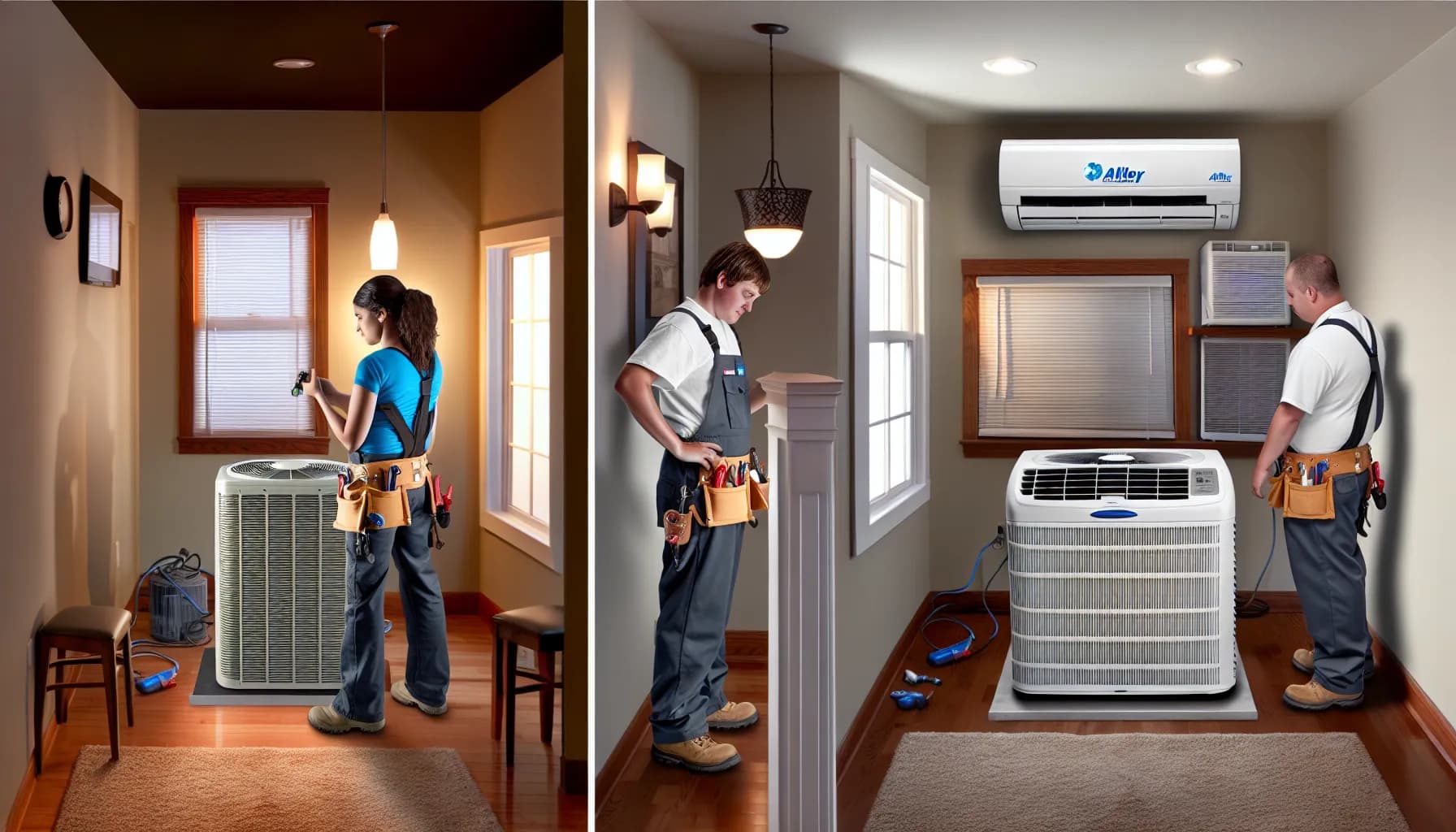
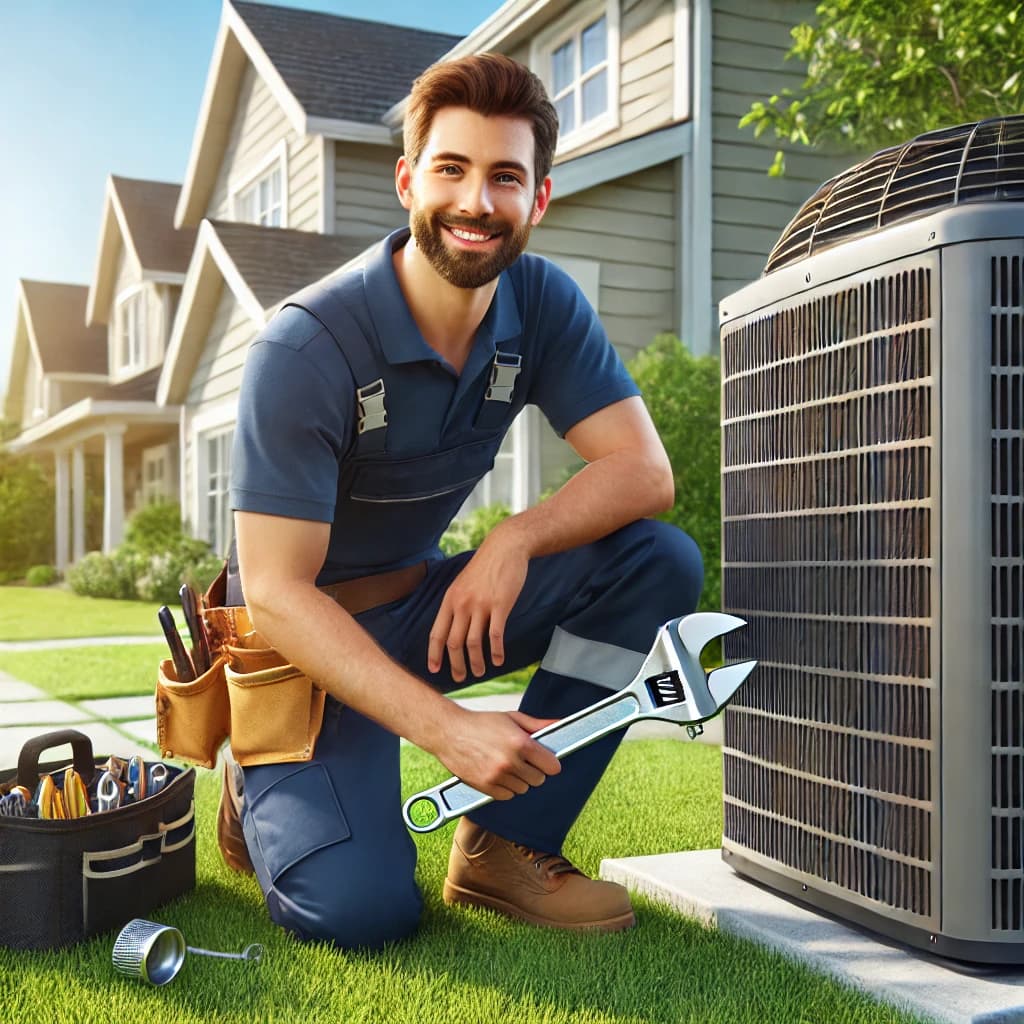
Choosing a professional HVAC company for your air conditioner installation ensures you get expertise tailored to Colorado Springs’ unique climate and building codes. Local professionals understand the challenges of high-altitude installation, including pressure differences that affect system performance. They’re also familiar with regional permit requirements and energy codes, helping you avoid costly mistakes.
For example, the Smith family in Briargate thought about installing a window unit themselves, but after talking with a professional, they realized that a properly sized and installed central AC would provide better comfort and efficiency. Their local installer handled everything from the initial assessment to securing city permits and performing a thorough post-installation inspection.
Risks of DIY AC Installation
DIY air conditioner installations can seem appealing for budget-minded homeowners, but they come with significant risks. Improper installation can lead to poor cooling, higher energy bills, and even voided manufacturer warranties. Local building codes often require permits and licensed work, so DIY installations may also result in code violations or fines.
In one real-world scenario, a homeowner in Old Colorado City attempted a DIY ductless mini-split install but faced electrical issues and refrigerant leaks. Ultimately, they had to bring in a professional to correct the mistakes, costing more than if they had hired a pro from the start.
Types of Air Conditioners for Colorado Springs Homes
Central Air Conditioning Systems
Central air conditioning remains the most popular choice for many Colorado Springs homeowners. These systems use ductwork to distribute cooled air throughout the home, offering even, consistent temperatures and the ability to integrate advanced air filtration, an important feature in areas with wildfire smoke or allergens.
Central air is ideal if your house already has ductwork, or if you’re planning a major remodel. In larger homes in neighborhoods like Broadmoor, central air can deliver efficient, whole-home cooling when sized and installed correctly.
Ductless Mini-Split Systems
Ductless mini-split systems are a flexible option for homes without existing ductwork, older properties, or additions. They consist of an outdoor compressor unit and one or more indoor air handlers. Installation is less invasive, requiring only a small hole in the wall for refrigerant lines.
Homeowners in the Westside historic district often choose ductless mini-splits to preserve the character of their homes while gaining modern comfort. These systems offer zoned cooling, allowing you to set different temperatures for each room or area.
Heat Pumps vs. Traditional AC Units
Heat pumps are gaining popularity in Colorado Springs for their dual heating and cooling capabilities. They operate like an air conditioner in summer, then reverse to provide efficient heating in winter. Modern heat pumps work well even in colder climates, making them a smart choice for year-round comfort.
Traditional AC units focus solely on cooling. If you already have a high-efficiency furnace, pairing it with a central AC unit can be cost-effective. Your HVAC professional can help you decide which system best matches your home’s needs and your budget.
Key Considerations Before Installing an Air Conditioner
Home Size and Cooling Needs
Proper sizing is crucial for AC performance and energy efficiency. An undersized unit will struggle to cool your home, while an oversized system may cycle on and off too frequently, leading to uneven temperatures and higher wear.
HVAC professionals use a Manual J load calculation to assess your home’s square footage, insulation, window orientation, and other factors. For example, a ranch-style home in Northgate with high ceilings and large south-facing windows may require a more robust system than a shaded bungalow in Manitou Springs.
Energy Efficiency Ratings
Modern air conditioners are rated by SEER (Seasonal Energy Efficiency Ratio). The higher the SEER, the more efficiently the system operates. In Colorado Springs, where summer temperatures can spike, a higher SEER unit will save you money on energy bills over time.
Look for ENERGY STAR certified models, which meet strict efficiency standards and may qualify for utility rebates. Discuss options with your installer to find the balance between upfront cost and long-term savings.
Permits and Local Regulations
Most municipalities, including Colorado Springs, require permits for air conditioner installation. Permits ensure the work meets safety and building codes. Licensed HVAC contractors handle the permitting process, schedule necessary inspections, and provide documentation for your records.
Failing to obtain proper permits can cause problems when selling your home or filing insurance claims. Always confirm your contractor is licensed, insured, and familiar with local regulations.
The Air Conditioner Installation Process
Initial Assessment and Sizing
The process begins with an in-home consultation. Your HVAC professional will inspect your current system, evaluate ductwork, and perform a detailed load calculation. They’ll discuss your comfort preferences, budget, and any unique needs, such as air quality improvements or smart thermostat integration.
This assessment ensures your new system is properly sized and tailored to your home. For example, a homeowner in Black Forest with allergies requested a central AC with a high-MERV filter to reduce pollen and dust.
Installation Timeline and What to Expect
Most standard air conditioner installations in Colorado Springs take one to two days. The timeline depends on the type of system, complexity of the install, and whether electrical upgrades or ductwork modifications are needed.
- Day 1: Removal of old equipment, preparation of the install site, and running new lines or ductwork as needed.
- Day 2: Placement and connection of the new unit, wiring, refrigerant charging, and system testing.
Throughout the process, your installer will keep you informed, ensure your property is protected, and answer any questions. At the end, they’ll walk you through system operation and maintenance basics.
Post-Installation Checks and Maintenance Tips
After installation, technicians perform a series of checks: verifying refrigerant levels, assessing airflow and temperature, and calibrating your thermostat. They’ll also review ongoing maintenance tasks with you, such as changing filters and scheduling annual tune-ups.
Regular maintenance is key to keeping your system efficient and extending its lifespan. For example, a homeowner in Stetson Hills who scheduled annual maintenance saw fewer breakdowns and lower energy bills over the years.
Cost of Air Conditioner Installation in Colorado Springs
Factors Affecting Installation Costs
The cost of air conditioner installation in Colorado Springs varies based on:
- Type and size of unit (central, ductless, or heat pump)
- Home size and layout
- Existing ductwork and electrical infrastructure
- Efficiency rating and features (such as variable-speed compressors or smart thermostats)
- Permit fees and local code requirements
For most homes, the average cost ranges from $3,500 to $7,500. Larger homes, complicated installations, or high-end systems can cost more. Your installer will provide a detailed estimate after evaluating your home.
Financing and Rebates
Many HVAC contractors offer financing options to help spread the cost of installation. You may also qualify for rebates from local utilities or state programs when you choose ENERGY STAR certified systems or high-efficiency heat pumps.
Check with your installer for the latest incentives. For example, Colorado Springs Utilities periodically offers rebates that can reduce your upfront costs, making efficient cooling more affordable.
Frequently Asked Questions
Frequently Asked Questions
How long does it take to install a new air conditioner in Colorado Springs?
Most standard air conditioner installations in Colorado Springs take one to two days, depending on the complexity of the system and any additional work required.
Do I need a permit for air conditioner installation in Colorado Springs?
Yes, most air conditioner installations require a permit from the City of Colorado Springs. Your HVAC contractor will typically handle the permitting process.
What is the average cost of air conditioner installation in Colorado Springs?
The average cost ranges from $3,500 to $7,500, depending on the type of unit, home size, and installation complexity.
How do I choose the right air conditioner for my Colorado Springs home?
Work with a licensed HVAC professional to assess your home’s size, insulation, and cooling needs. They can recommend energy-efficient options that fit your budget.
Are there energy rebates available for new AC installations in Colorado Springs?
Yes, local utility companies and state programs often offer rebates for installing energy-efficient air conditioning systems. Your installer can provide details on current incentives.

Alloy HVAC Team
HVAC experts with years of experience in the industry. We share tips, insights, and the latest trends in heating, ventilation, and air conditioning to help you maintain optimal comfort in your home or business.