Cost to Install a New HVAC System in Colorado Springs: 2024 Pricing Guide
Cost to Install a New HVAC System in Colorado Springs: 2024 Pricing Guide
Understanding HVAC Installation in Colorado Springs
What Does HVAC Installation Involve?
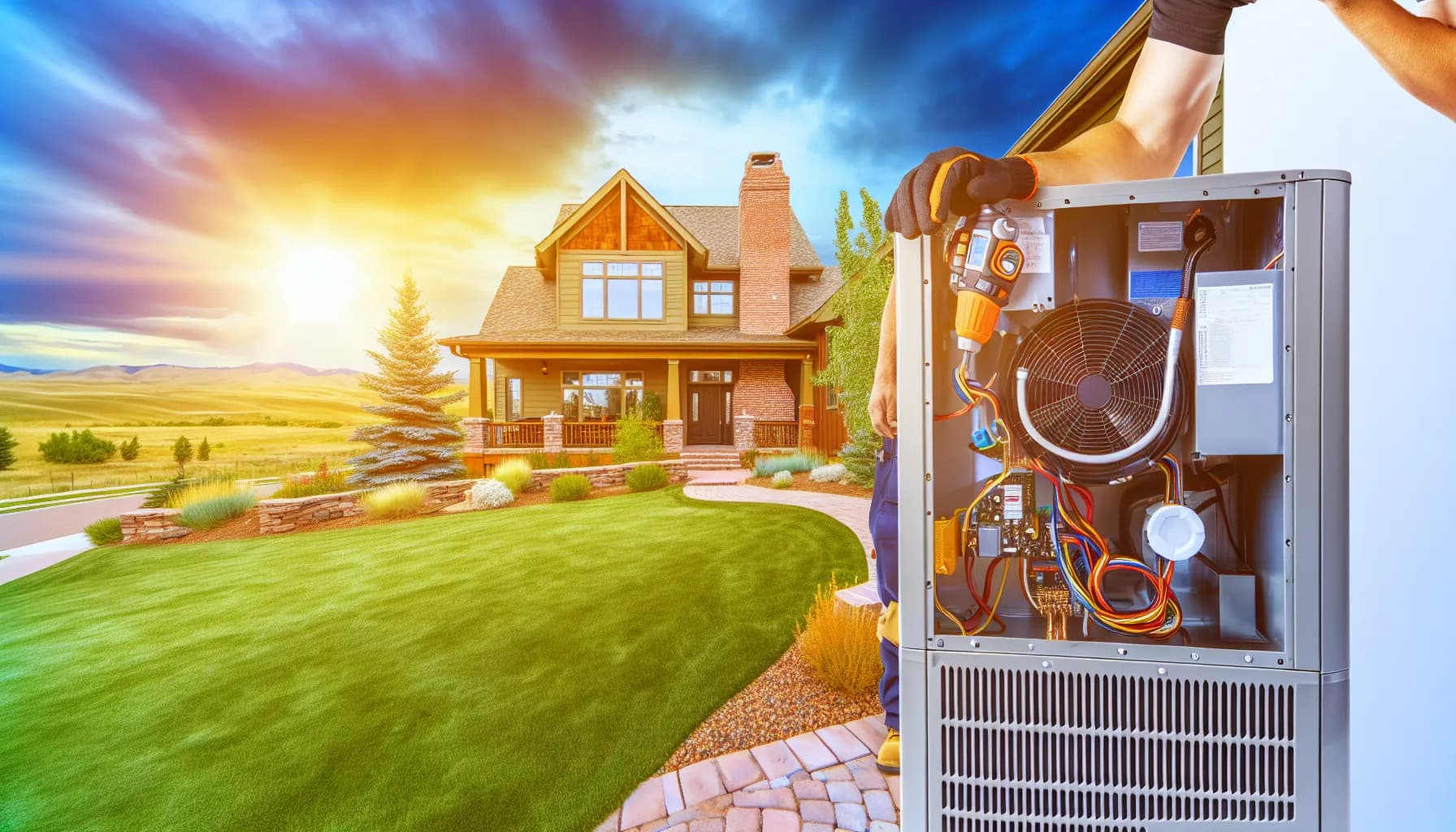
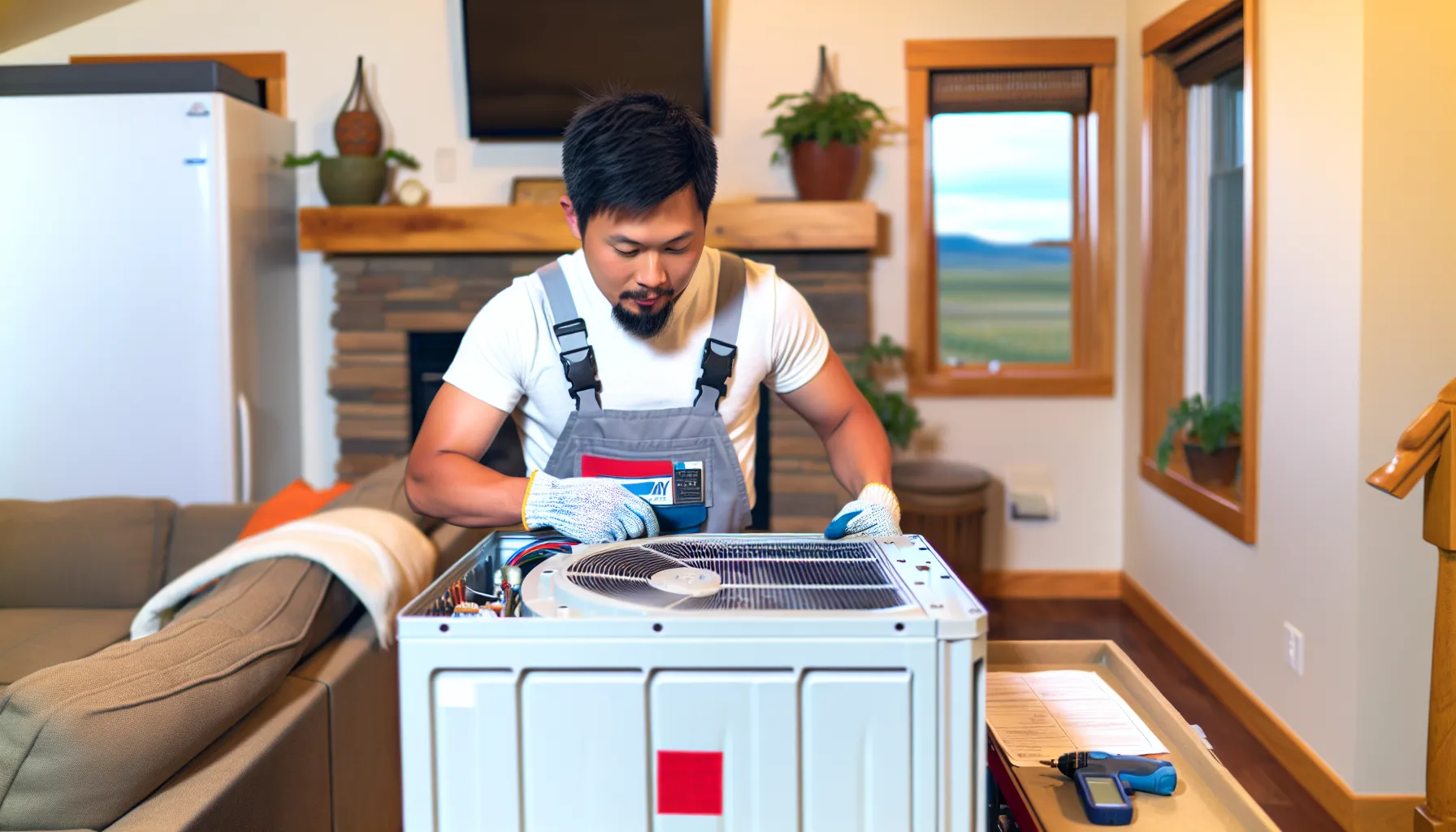
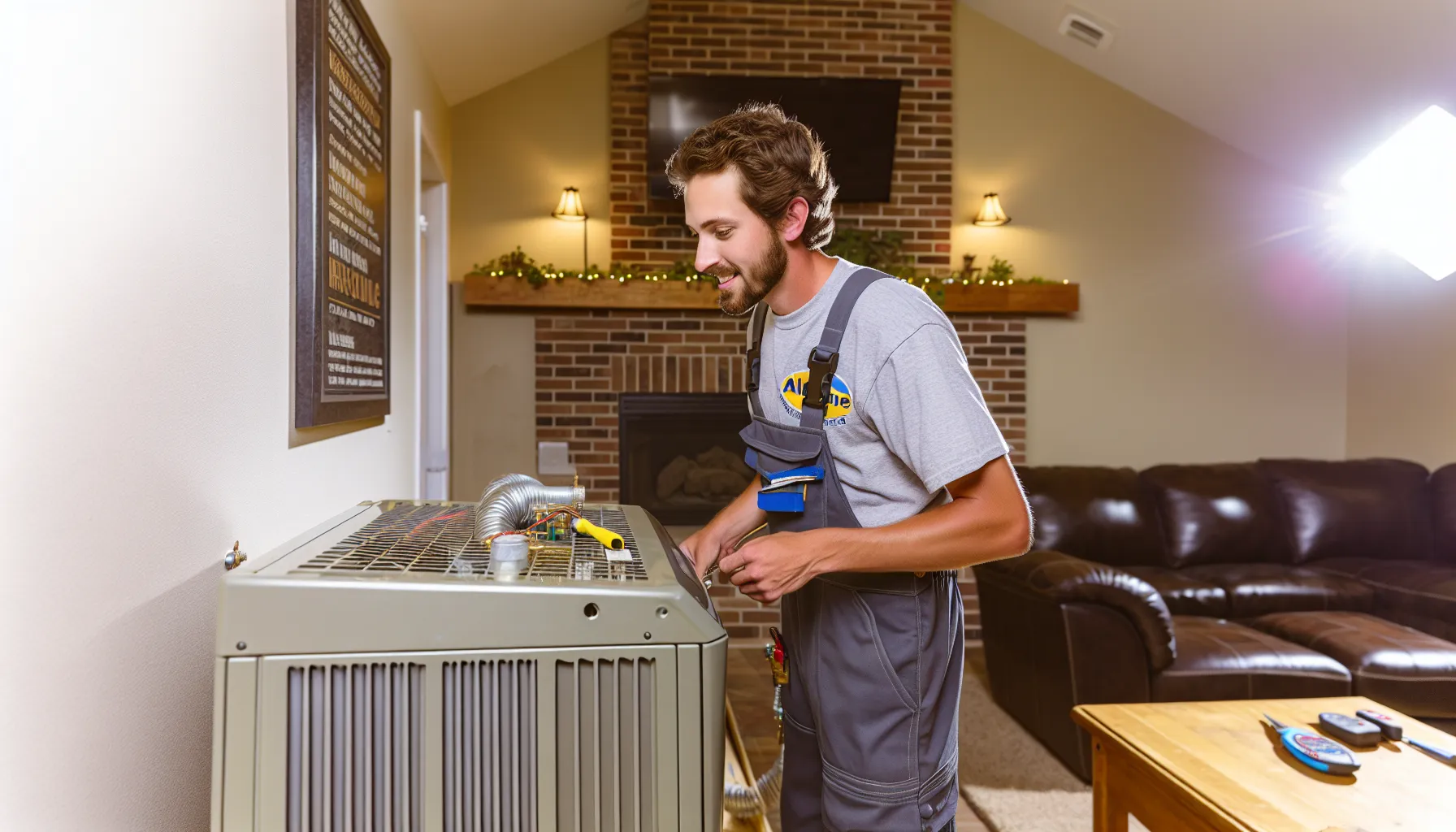
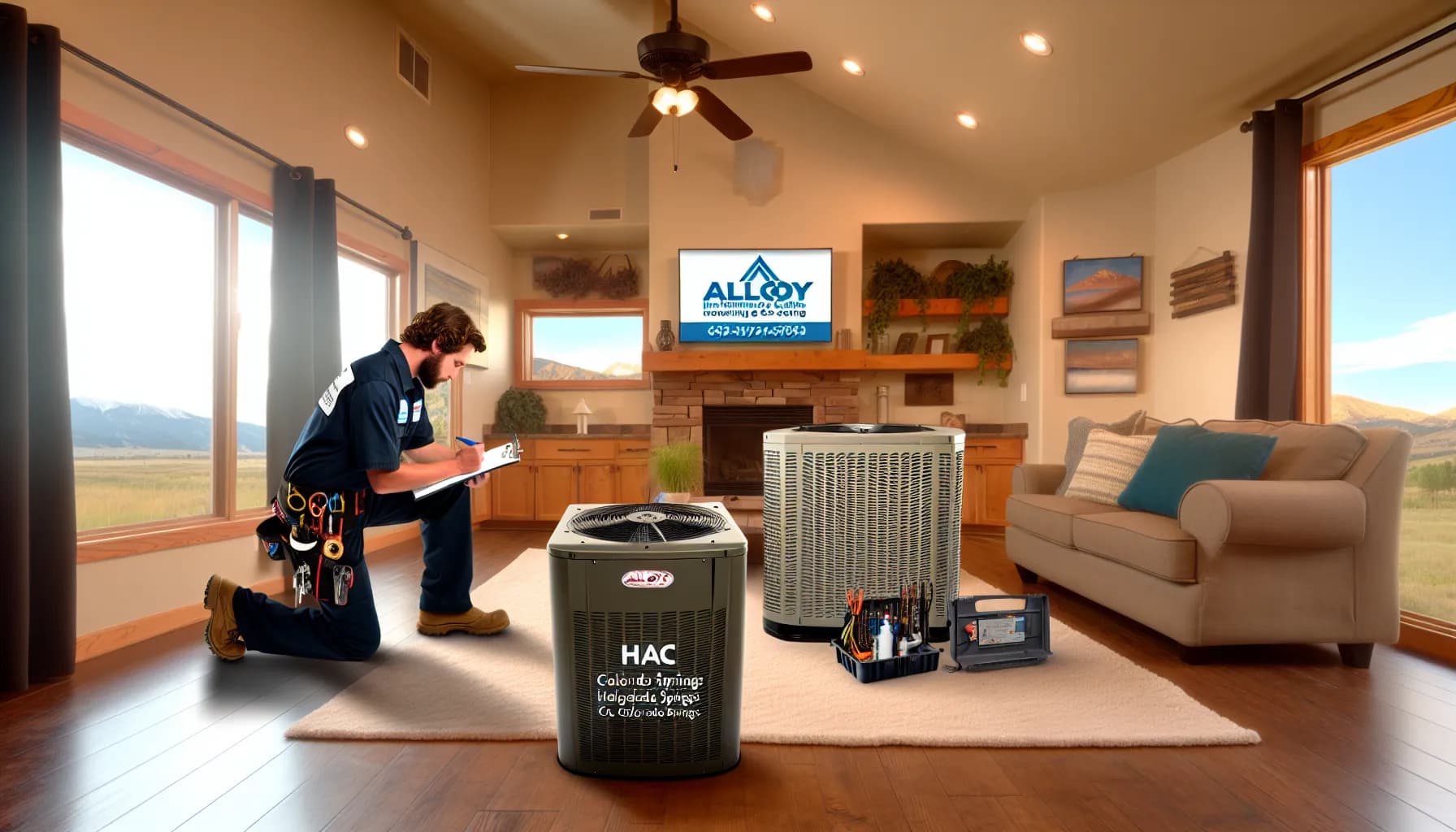
Installing a new HVAC system in Colorado Springs is more than swapping out old equipment. It involves a thorough evaluation of your current system, sizing the right unit for your home or business, assessing ductwork, and ensuring all components work efficiently together. Typical steps include system selection, removal of old units, upgrading electrical connections, integrating thermostats, and testing for proper function. In Colorado’s climate, ensuring the system can handle both winter cold and summer heat is essential.
Why Choose Professional HVAC Installation?
Professional HVAC installation ensures safety, efficiency, and long-term reliability. Colorado Springs homeowners and business owners should trust certified technicians to handle refrigerants, electrical wiring, and gas lines. For example, a Centennial homeowner who tried a DIY installation ended up facing high utility bills and a voided warranty due to improper sizing. A professional installer conducts load calculations, checks airflow, and complies with local codes, resulting in better comfort and savings over time.
Typical Timeline for HVAC Installation Projects
The installation process for a standard HVAC system in Colorado Springs usually takes 1-3 days. This includes removing old equipment, preparing the space, installing the new unit, and testing the system. Larger homes or complicated ductwork modifications may extend the timeline. For example, a business in downtown Colorado Springs required custom ductwork to fit an older building, which added two extra days to the project.
Average Cost of HVAC Installation in Colorado Springs (2024)
Price Range Overview for New HVAC Systems
In 2024, the average cost to install a new HVAC system in Colorado Springs ranges from $6,000 to $13,000. This range covers different system types, energy efficiencies, and home sizes. Smaller homes or basic systems may be on the lower end, while larger properties or high-efficiency models can reach the higher end. For instance, a Highlands Ranch homeowner paid $7,500 for a mid-range central air system, while a business in Palmer Lake invested $12,500 in a high-efficiency heat pump with advanced controls.
Cost Breakdown: Equipment, Labor, and Permits
- Equipment: The HVAC unit itself is typically the largest expense, ranging from $3,500 to $8,500 depending on type and efficiency.
- Labor: Professional installation labor costs from $2,000 to $4,000. This includes removal of old units, installation, and system testing.
- Permits: Local permits cost between $200 and $700. Your HVAC contractor will usually include this in your quote and handle the paperwork.
Keep in mind, additional costs may apply for upgrades like smart thermostats or air purifiers.
Comparing Costs: Central Air, Furnace, and Heat Pump Systems
- Central Air Conditioning: $7,000, $12,000 installed. Ideal for homes with existing ductwork.
- Furnace (Gas or Electric): $6,000, $10,000 installed. Common in Colorado Springs for reliable winter heating.
- Heat Pump Systems: $8,000, $13,000 installed. Offers both heating and cooling, best for energy efficiency.
For example, a family in Castle Rock chose a heat pump to replace both their aging furnace and air conditioner, resulting in a $12,000 total investment but lower monthly costs and a rebate from their utility provider.
Factors That Affect HVAC Installation Costs
Home Size and Layout
Larger homes or properties with multiple stories require more powerful HVAC systems, which increases both equipment and labor costs. Unique layouts, like finished basements or additions, may need extra ductwork or zoning controls, as seen in a recent project in Golden where the cost rose due to a split-level design.
System Type and Efficiency Ratings
High-efficiency systems cost more upfront but save on energy bills over time. SEER (Seasonal Energy Efficiency Ratio) and AFUE (Annual Fuel Utilization Efficiency) ratings help determine efficiency. For example, a homeowner in Parker opted for a 20 SEER air conditioner, paying more initially but expecting to save hundreds each year on utilities.
Ductwork Modifications or Upgrades
Older homes in areas like Morrison or Lakewood often need ductwork repairs or upgrades to support modern systems. New ductwork can add $2,000, $5,000 to the installation. Skipping this step can reduce comfort and efficiency, as one Aurora customer discovered before upgrading their entire duct system for better airflow.
Local Climate and Energy Needs
Colorado Springs experiences temperature swings, so systems must be sized for both heating and cooling. Homes in higher altitudes or exposed areas may require larger or more advanced equipment. For example, a customer in Monument needed a higher-capacity furnace to handle cold winter nights.
How to Save Money on HVAC Installation
Available Rebates and Incentives in Colorado Springs
Many local utilities and state programs offer rebates for installing energy-efficient HVAC systems. Colorado Springs Utilities, for example, provides rebates for high-efficiency heat pumps and air conditioners. In 2024, you could save up to $1,200 with qualifying equipment. Always check with your installer and your utility provider for current deals.
Tips for Getting Accurate Estimates
- Request detailed written quotes from at least three licensed contractors.
- Ensure estimates include equipment, labor, permits, and any additional work like duct modifications.
- Ask about warranties and maintenance packages.
For instance, a homeowner in Ken Caryl saved $800 by comparing multiple bids and clarifying exactly what was included in the scope of work.
Choosing the Right HVAC Contractor
Working with a reputable HVAC company can result in better pricing, fewer surprises, and a smoother installation process. Look for contractors with strong local reviews, proper licensing, and experience with Colorado Springs’ climate. Alloy Heating and Cooling, for example, has worked with hundreds of homeowners and businesses across the Front Range, delivering reliable results and clear communication every step of the way.
Selecting a Reliable HVAC Installation Company in Colorado Springs
Questions to Ask Potential Installers
- Are you licensed and insured in Colorado Springs?
- Can you provide references from recent installations?
- What brands and efficiency levels do you recommend for my home’s needs?
- How do you handle permits and inspections?
- What is your warranty on labor and parts?
Red Flags to Watch Out For
- Quotes that are significantly lower than others, which may indicate cut corners or hidden fees.
- Lack of proper licensing or insurance.
- Unwillingness to provide written estimates or references.
- Pressure to sign contracts quickly without explaining options.
Importance of Licensing and Insurance
Colorado Springs requires HVAC contractors to be licensed and insured. This protects you in case of accidents or code violations. Always verify credentials before signing a contract. A licensed contractor will ensure your installation passes inspection and qualifies for warranties and rebates.
Real-World Example: A commercial property in Denver hired an unlicensed installer to save money. The city later required expensive corrections to bring the system up to code, erasing any initial savings and delaying the business opening. Save yourself the hassle by choosing a fully licensed and insured HVAC professional from the start.
Whether you are upgrading an older home in Littleton, building new in Castle Pines, or managing a business in Boulder, working with a trusted HVAC contractor makes all the difference. With smart planning and expert installation, you can enjoy reliable comfort and energy savings for years to come.
Frequently Asked Questions
How much does a new HVAC system cost to install in Colorado Springs?
In 2024, installing a new HVAC system in Colorado Springs typically costs between $6,000 and $13,000, depending on system type, home size, and additional requirements.
What factors influence the cost of HVAC installation?
Key factors include the size of your home, the type and efficiency of the HVAC system, the complexity of installation, ductwork needs, and local permit fees.
Are there rebates or incentives for HVAC installation in Colorado Springs?
Yes, local utilities and state programs often offer rebates for energy-efficient HVAC systems. Check with Colorado Springs Utilities and your installer for current offers.
How long does it take to install a new HVAC system?
Most standard HVAC installations in Colorado Springs take 1-3 days, but complex projects or ductwork upgrades may extend the timeline.
Do I need a permit for HVAC installation in Colorado Springs?
Yes, permits are required for most HVAC installations. A licensed HVAC contractor will typically handle permitting as part of the job.

Alloy HVAC Team
HVAC experts with years of experience in the industry. We share tips, insights, and the latest trends in heating, ventilation, and air conditioning to help you maintain optimal comfort in your home or business.