Furnace vs. Electric Heating: Which Is More Cost-Effective for Colorado Homeowners?
Furnace vs. Electric Heating: Which Is More Cost-Effective for Colorado Homeowners?
Colorado homeowners know how important it is to have a dependable and efficient heating system. Our winters can be long and cold, with temperatures often dipping below freezing. When it comes to choosing a heating solution, the two most common options are natural gas furnaces and electric heating systems. But which one is more cost-effective for homes and small businesses in Colorado?
Understanding Electric vs Natural Gas Heating Cost
How Electric Heating Works
Electric heating systems use electricity to generate heat, which is then distributed throughout your home or business. The most common types in Colorado include electric baseboard heaters, electric furnaces, and increasingly, electric heat pumps. These systems are typically easier to install and maintain, and they do not require gas lines or venting. When you turn on your electric heater, electrical resistance heats up coils or elements, and a fan circulates the warm air.
How Natural Gas Furnaces Work
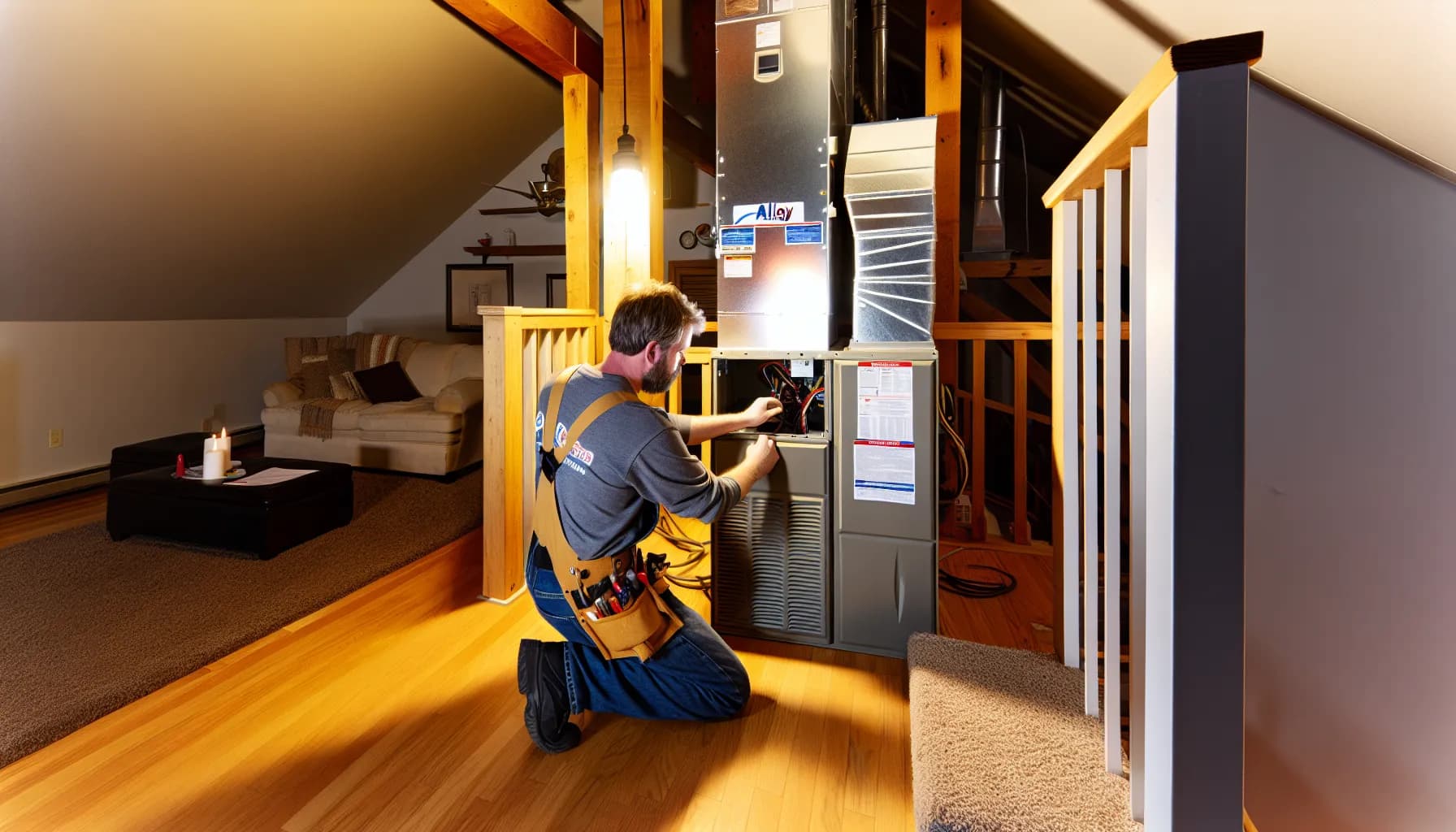
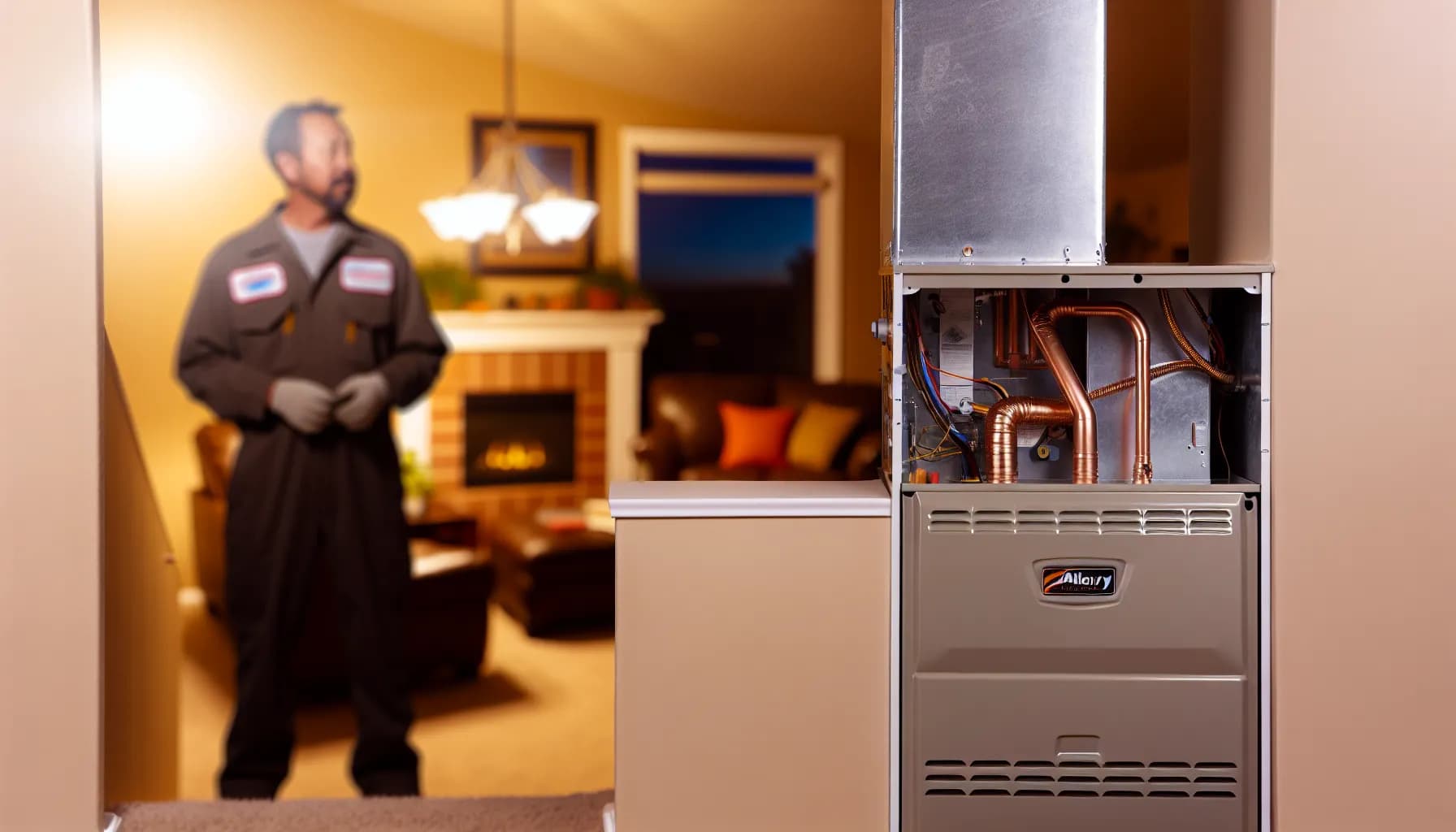
Natural gas furnaces burn natural gas to create heat, which is then transferred to air by a heat exchanger and circulated through your ductwork. Gas furnaces are known for their rapid heating capability and are a popular choice for Colorado’s chilly climate. Installation requires a gas supply line and proper venting for safety. Most modern gas furnaces are highly efficient, with Annual Fuel Utilization Efficiency (AFUE) ratings often above 90%.
Cost Comparison: Electric vs Natural Gas Heating in Colorado
Upfront Installation Costs
Electric heating systems generally have lower upfront installation costs. For example, an electric baseboard or wall heater can often be installed for a few hundred dollars per unit, and electric furnaces typically range from $1,500 to $3,500 installed. Gas furnaces usually cost more to install, especially if your home does not already have a gas line. The average installed cost for a high-efficiency gas furnace in Colorado ranges from $3,500 to $7,500. If ductwork or venting upgrades are needed, costs can increase.
Monthly Energy Bills
This is where the biggest differences show. Electricity rates in Colorado average between 12 and 15 cents per kilowatt-hour, while natural gas is priced much lower per BTU of heat delivered. For example, heating a 2,000-square-foot home with electric baseboards can cost $250 or more per month during peak winter, while a comparable home with a high-efficiency gas furnace might see heating bills of $100 to $150 per month. That’s because electric resistive heating is less efficient at converting energy dollars to heat, especially during the coldest months.
Let’s consider a real-world scenario: The Smith family in Highlands Ranch replaced their old electric furnace with a new 96% AFUE gas furnace. Their monthly winter heating bill dropped from $230 to about $110, a savings of over 50%. While the gas furnace cost $2,500 more to install, the family expects to recoup that investment in just a few years thanks to lower utility bills.
Maintenance and Lifespan
Electric heating systems generally require less maintenance since they have fewer moving parts and no combustion. Routine cleaning and periodic checks are usually sufficient. Electric furnaces can last 20 to 30 years.
Gas furnaces need annual maintenance to ensure safe and efficient operation, including cleaning burners, checking heat exchangers, and inspecting venting. Most quality gas furnaces last about 15 to 20 years. While maintenance costs may be slightly higher for gas, their lower operating costs often outweigh this over the system’s lifespan.
Other Factors Influencing Heating Costs
Colorado Climate Considerations
Colorado’s climate makes heating a home a major energy expense. In areas like Castle Rock or Evergreen, where winter temperatures can drop into the single digits, electric heating systems may struggle to keep up or become very costly to operate. Natural gas furnaces excel in these conditions, providing fast, reliable heat even during extreme cold snaps.
Home Insulation and Efficiency
Regardless of the heating system you choose, your home’s insulation and airtightness play a big role in overall heating costs. Upgrading insulation, sealing leaks, and installing energy-efficient windows can reduce heat loss and lower energy bills. A well-insulated home in Boulder might see little difference in comfort between electric and gas heating, but operating costs will still favor natural gas over time.
Energy Prices and Trends
Natural gas prices in Colorado have historically been stable and lower than electricity for heating. However, energy markets can change. Some homeowners in places like Denver or Aurora are considering electric heat pumps, especially as the grid becomes cleaner and some local utilities offer incentives for electric heating.
Environmental Impact and Efficiency
Emissions and Sustainability
Electric heating can be more sustainable if your electricity comes from renewable sources. Colorado’s energy grid is gradually shifting toward wind and solar, which reduces the carbon footprint of electric heaters and heat pumps. However, most of the state’s electricity is still generated from fossil fuels, so the environmental edge of electric heating depends on your utility’s energy mix.
Natural gas furnaces emit greenhouse gases at the source, but they are very efficient at delivering heat. High-efficiency models reduce emissions compared to older units but still rely on fossil fuel combustion.
Energy Efficiency Ratings
Gas furnaces are rated by AFUE, with higher numbers indicating more heat per dollar spent. Electric resistance heaters are nearly 100% efficient at converting electricity to heat, but the generation and transmission losses from power plants can reduce overall system efficiency. Modern electric heat pumps can achieve efficiencies of 200% or more (meaning they deliver twice as much heat energy as the electricity they consume), but their performance drops in very cold weather unless you have a cold-climate model.
Which Heating System Is Right for Your Colorado Home?
Assessing Your Household Needs
Choosing between a gas furnace and electric heating comes down to your home’s layout, your budget, and your long-term plans. If you already have a gas line, a high-efficiency gas furnace is usually the most cost-effective choice for Colorado’s climate. If your home is all-electric, or you prioritize sustainability and plan to install solar panels, electric heating or a modern heat pump may make sense, especially in milder areas.
For example, a retired couple in Westminster with a small, well-insulated home and existing solar panels opted for a ductless mini-split heat pump. Their heating costs are minimal, and their environmental impact is low. On the other hand, a family in Parker with a larger home and a busy schedule prefers the fast, even heat of a natural gas furnace.
Long-Term Savings Analysis
When evaluating cost-effectiveness, consider both upfront and lifetime costs. While electric heaters are cheaper to install, their higher operating costs usually make them less economical for most Colorado homeowners over a 10- to 20-year period. Gas furnaces cost more initially but can pay for themselves through lower monthly bills and reliable performance in harsh winters.
In summary, for most homeowners in areas like Littleton, Golden, or Centennial, a high-efficiency natural gas furnace offers the best balance of performance, reliability, and long-term savings. If you are interested in greener heating options or live in a mild part of the state, talk to the HVAC experts at Alloy Heating and Cooling. We can evaluate your home and recommend the best solution for your needs and budget.
Frequently Asked Questions
Is electric heating more expensive than natural gas in Colorado?
Generally, electric heating tends to have higher monthly operating costs compared to natural gas in Colorado, due to higher electricity rates and the colder climate increasing demand.
What are the main advantages of natural gas heating over electric?
Natural gas heating usually offers lower energy costs, faster heating response, and is well-suited for Colorado’s cold winters. However, it requires a gas connection and proper ventilation.
Are there rebates or incentives for switching heating systems in Colorado?
Yes, Colorado homeowners may qualify for rebates or incentives when upgrading to more energy-efficient heating systems, including certain electric heat pumps or high-efficiency furnaces.
How does the cost of installation compare between electric and gas heating?
Electric heating systems often have lower installation costs, but gas furnaces, while more costly to install, may offer lower long-term operating costs.
Is electric heating better for the environment than natural gas?
Electric heating can be more environmentally friendly if powered by renewable energy sources. However, if the electricity is generated from fossil fuels, the environmental benefits may be reduced.

Alloy HVAC Team
HVAC experts with years of experience in the industry. We share tips, insights, and the latest trends in heating, ventilation, and air conditioning to help you maintain optimal comfort in your home or business.