SEER Ratings Explained: Choosing an Energy-Efficient AC Unit for Colorado Homes
SEER Ratings Explained: Choosing an Energy-Efficient AC Unit for Colorado Homes
When it comes to keeping your Colorado home cool in the summer and making smart choices about energy use, understanding SEER ratings on air conditioning units is key. Homeowners in Greenwood Village, Englewood, Littleton, Lone Tree, Highlands Ranch, Parker, and throughout the Denver metro area benefit from choosing an AC system that balances comfort, efficiency, and long-term savings. At Alloy Heating and Cooling, we help you make sense of SEER ratings so you can select the best air conditioning solution for your home or business. Let’s break down what SEER means, why it matters in Colorado, and how to maximize your investment in a new or upgraded AC system.
What is a SEER Rating on AC Units?
Definition of SEER Rating
SEER stands for Seasonal Energy Efficiency Ratio. It’s the industry standard for measuring the efficiency of an air conditioning unit over an entire cooling season. The SEER rating tells you how much cooling output (measured in BTUs) your system provides for each watt-hour of electricity it consumes. In simple terms, the higher the SEER rating, the more efficient the air conditioner.
How SEER Rating is Calculated
SEER ratings are calculated using a ratio: the total cooling output of an AC over a typical cooling season divided by the total electrical energy it uses during that time. For example, if an air conditioner delivers 60,000 BTUs of cooling using 4,000 watt-hours of electricity, the SEER would be 15. This calculation accounts for varying outdoor temperatures, simulating a real-world cooling season like what we experience in Colorado.
Importance of SEER Ratings for Homeowners
For Colorado homeowners, the SEER rating is not just a number. It directly impacts your monthly energy bills, the comfort of your home, and your carbon footprint. With energy costs rising and sustainability concerns growing, choosing a higher SEER-rated unit can mean significant savings and a smaller environmental impact. It’s especially important in Colorado, where summer highs can climb quickly and cooling needs spike during heat waves.
Why SEER Ratings Matter in Colorado
Colorado’s Climate and Cooling Needs
Colorado’s climate is unique. We enjoy over 300 days of sunshine a year, with hot summer days and cool nights. In areas like Aurora, Centennial, Castle Rock, and Highlands Ranch, temperatures regularly climb into the high 80s and 90s. While humidity is typically low, the need for effective and efficient cooling is still essential, especially in newer homes with large windows or in businesses with heat-generating equipment.
Consider a homeowner in Parker: Their older AC unit struggled to keep up during stretches of 90-degree weather, cycling on and off more frequently and driving up their electric bill. After upgrading to a 16 SEER unit, they noticed not only improved comfort but also a noticeable drop in their summer energy costs.
Energy Efficiency Benefits in Colorado Homes
Since air conditioners with higher SEER ratings use less energy for the same cooling output, Colorado homeowners and businesses can benefit from lower utility bills. Over time, the savings can add up. If you live in Denver, Golden, or Thornton, you know the cost of electricity can spike during peak summer months. Choosing a more efficient system helps you manage those costs.
In addition to savings, a high SEER unit often means quieter operation, advanced features like variable-speed compressors, and better humidity control. For a business owner in Highlands Ranch, upgrading to a 17 SEER rooftop AC system resulted in a quieter workspace and more consistent cooling, reducing employee complaints and improving productivity.
SEER Ratings and Local Utility Rebates
Many Colorado utility providers, including Xcel Energy and United Power, offer rebates for homeowners and commercial customers who install high-efficiency AC units. These rebates can range from $200 to over $1,000 depending on the SEER rating, system size, and additional features like smart thermostats or variable-speed fans. For example, a family in Centennial received a $500 rebate after replacing their 10 SEER unit with a new 18 SEER model, helping offset the initial investment.
Always check with your local utility or ask your Alloy Heating and Cooling technician about current rebate programs before making a purchase. Taking advantage of these incentives can make a higher SEER unit more affordable upfront, on top of the energy savings you’ll enjoy over the years.
How to Choose the Right SEER Rating for Your Colorado Home
Minimum SEER Requirements in Colorado
Federal regulations set the minimum SEER rating for new AC units. As of 2023, the minimum in Colorado and other northern states is 14 SEER for central air conditioners. However, many experts, including our team at Alloy Heating and Cooling, recommend considering units with SEER ratings of 16, 17, or even higher, depending on your budget and cooling needs.
It’s also important to remember that replacing a very old unit (often 8-10 SEER) with a new 14 or 16 SEER system can result in up to 30%-40% energy savings. For homes in older neighborhoods like Littleton or Morrison, this upgrade can make a significant difference, both in comfort and cost.
Balancing Cost vs. Efficiency
Higher SEER units typically cost more upfront, but they can save you more in the long term. When choosing a SEER rating, consider:
- Your home’s size and insulation
- How often you use your AC
- The length of your typical cooling season
- Your budget for both initial investment and monthly utility bills
For example, a small bungalow in Englewood might be well-served by a 14 or 15 SEER unit, while a larger home in Castle Pines with lots of south-facing windows could benefit from a 17 or 18 SEER system. Businesses in Boulder or Louisville with high internal heat loads often see paybacks on higher-SEER rooftop units even faster than residential homes.
Long-Term Savings with Higher SEER Units
Let’s look at a real-world scenario: A homeowner in Arvada replaces a 12 SEER AC with a 17 SEER system. If they spend $200 per month on summer cooling, a 30% efficiency improvement can lower their bill to about $140 per month. That’s a savings of $60 each month during the cooling season, which typically lasts four months in Colorado. Over 10 years, that adds up to nearly $2,400 in energy savings alone, not counting rebates or the increased value and comfort of the home.
Additionally, higher-SEER units often have advanced features like variable-speed compressors, which reduce wear and tear and extend the lifespan of the system. This means fewer repairs and a bigger return on your investment over time.
Tips for Maintaining an Energy-Efficient AC Unit
Regular Maintenance and SEER Performance
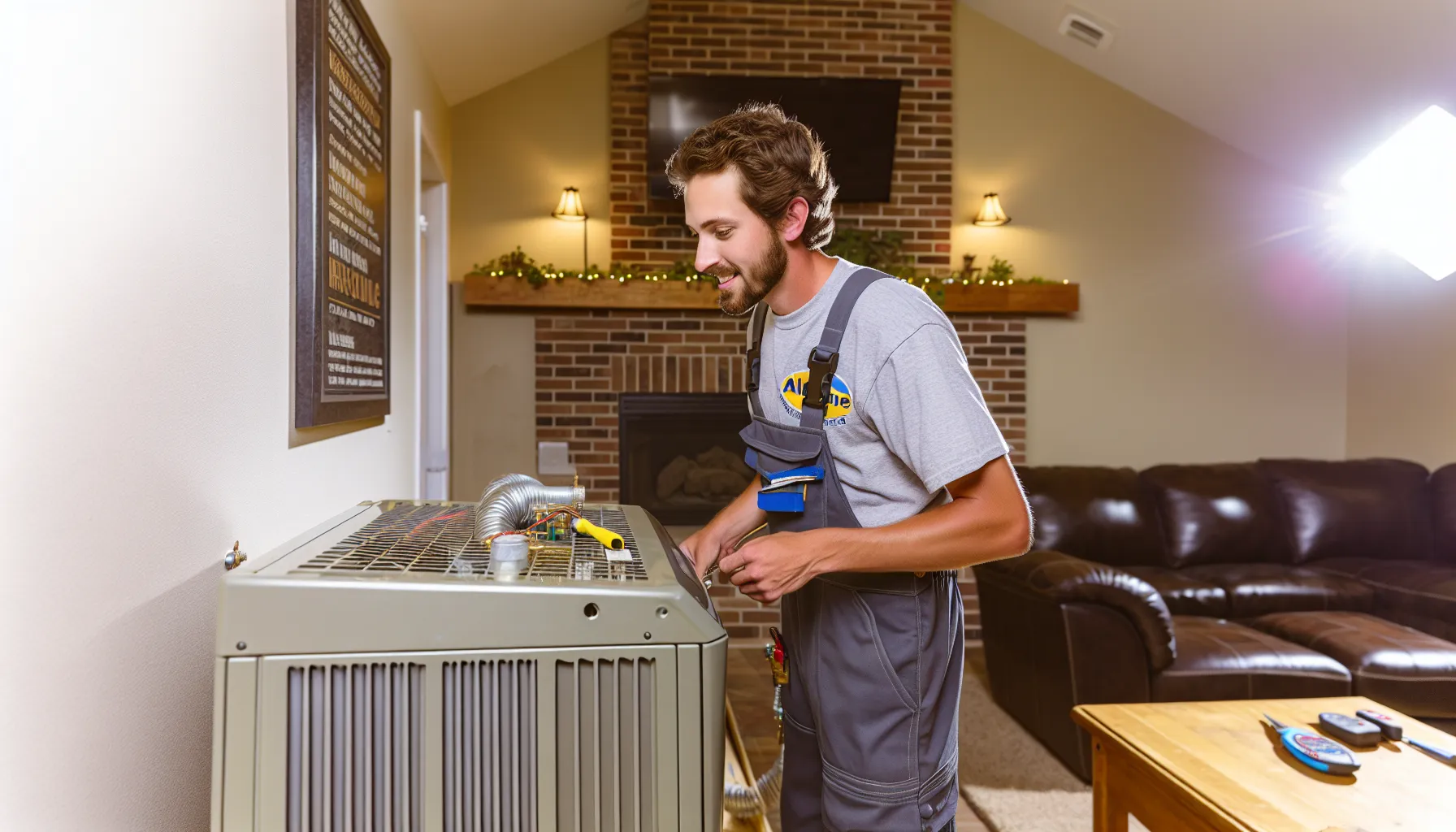
Even the most efficient AC unit can lose performance without regular maintenance. Dirty coils, clogged filters, and low refrigerant levels can all lower your system’s SEER efficiency and increase your energy bills. Alloy Heating and Cooling recommends annual professional tune-ups and regular filter changes to keep your AC running at peak performance.
For example, a homeowner in Lakewood saw their cooling costs spike after skipping spring maintenance. A quick inspection revealed a clogged filter and a dirty condenser coil, both easy fixes that restored their system’s SEER-rated efficiency and brought their bills back down.
Upgrading vs. Replacing Your AC Unit
If your AC is more than 10-15 years old, upgrading to a new, higher-SEER unit is often the best choice. However, if your unit is newer and just needs a tune-up, replacing components like thermostats or adding zoning controls can help maximize efficiency. Alloy Heating and Cooling can assess your current system and recommend the best path for your home or business in Centennial, Denver, Broomfield, or anywhere in our Colorado service area.
Smart Thermostats and Additional Efficiency Tips
Pairing your high-SEER AC unit with a smart thermostat can further reduce energy use. Smart thermostats learn your cooling preferences, adjust temperatures automatically, and provide remote access from your phone. Setting your thermostat a few degrees higher when you’re away, closing blinds during peak sun hours, and sealing any air leaks in windows or doors can all boost the efficiency of your cooling system.
For instance, a family in Evergreen installed a smart thermostat with their new AC, programmed it for energy-saving setbacks, and reduced their summer cooling costs by an additional 10% on top of what they saved by upgrading to a 16 SEER unit.
Conclusion: Making the Smart Choice for Your Home’s Comfort and Savings
Choosing the right SEER rating for your Colorado home is about more than just numbers. It’s about comfort, savings, and doing your part for the environment. Whether you live in a single-family home in Highlands Ranch, a mountain cabin in Morrison, or run a business in Boulder, investing in a high-efficiency air conditioning system pays off in lower energy bills and better year-round comfort. At Alloy Heating and Cooling, we’re here to help you navigate your options, take advantage of rebates, and ensure your new AC unit delivers the performance you expect. If you’re ready to discuss your next AC upgrade, contact us today for a free consultation and let our experts guide you to the best solution for your home or business.
Frequently Asked Questions
What does SEER rating stand for on AC units?
SEER stands for Seasonal Energy Efficiency Ratio. It measures the cooling efficiency of air conditioning units over an entire cooling season.
What SEER rating is recommended for Colorado homes?
A SEER rating of at least 14 is recommended for Colorado, though higher SEER units (16-18 or more) offer greater energy savings in the long run.
How can a higher SEER rating save me money?
AC units with higher SEER ratings use less electricity to cool your home, leading to lower energy bills and often qualifying for rebates or incentives.
Is it worth upgrading to a higher SEER AC unit in Colorado?
Yes, especially if your current unit is older or less efficient. The energy savings and possible rebates typically justify the investment over time.
How do I find the SEER rating on my current AC unit?
The SEER rating is usually listed on a label on the side of your AC unit or in the unit’s manual. You can also check the manufacturer’s website using your model number.

Alloy HVAC Team
HVAC experts with years of experience in the industry. We share tips, insights, and the latest trends in heating, ventilation, and air conditioning to help you maintain optimal comfort in your home or business.