Signs Your HVAC System Needs Repair: Colorado Homeowner Checklist
Signs Your HVAC System Needs Repair: Colorado Homeowner Checklist
Introduction to HVAC Repair in Colorado
Living in Colorado means you experience everything from freezing winters in Littleton to hot, dry summers in Aurora. Your HVAC system works hard all year to keep your home comfortable, but even the best systems show signs of wear and tear. Recognizing these signs early can save you money, extend the life of your equipment, and keep your family safe and comfortable. At Alloy Heating and Cooling, we help homeowners and small businesses throughout Greenwood Village, Highlands Ranch, Denver, and surrounding areas stay ahead of HVAC problems.
Why Timely HVAC Repair Matters
Timely HVAC repairs are crucial for maintaining indoor comfort and efficiency. In Colorado, sudden temperature swings can strain your system. Ignoring minor issues can lead to bigger, more expensive problems. For example, a worn blower motor in Castle Rock left unchecked may cause the entire furnace to fail during a cold snap.
Common HVAC Issues in Colorado Homes
Colorado’s dry air, dust, and frequent weather changes contribute to common HVAC issues. Homeowners in Englewood might notice dry air affecting furnace performance, while those in Lakewood often report clogged filters due to dust. Recognizing these region-specific problems helps you stay proactive about HVAC care.
Top Signs Your HVAC System Needs Repair
Unusual Noises or Odors
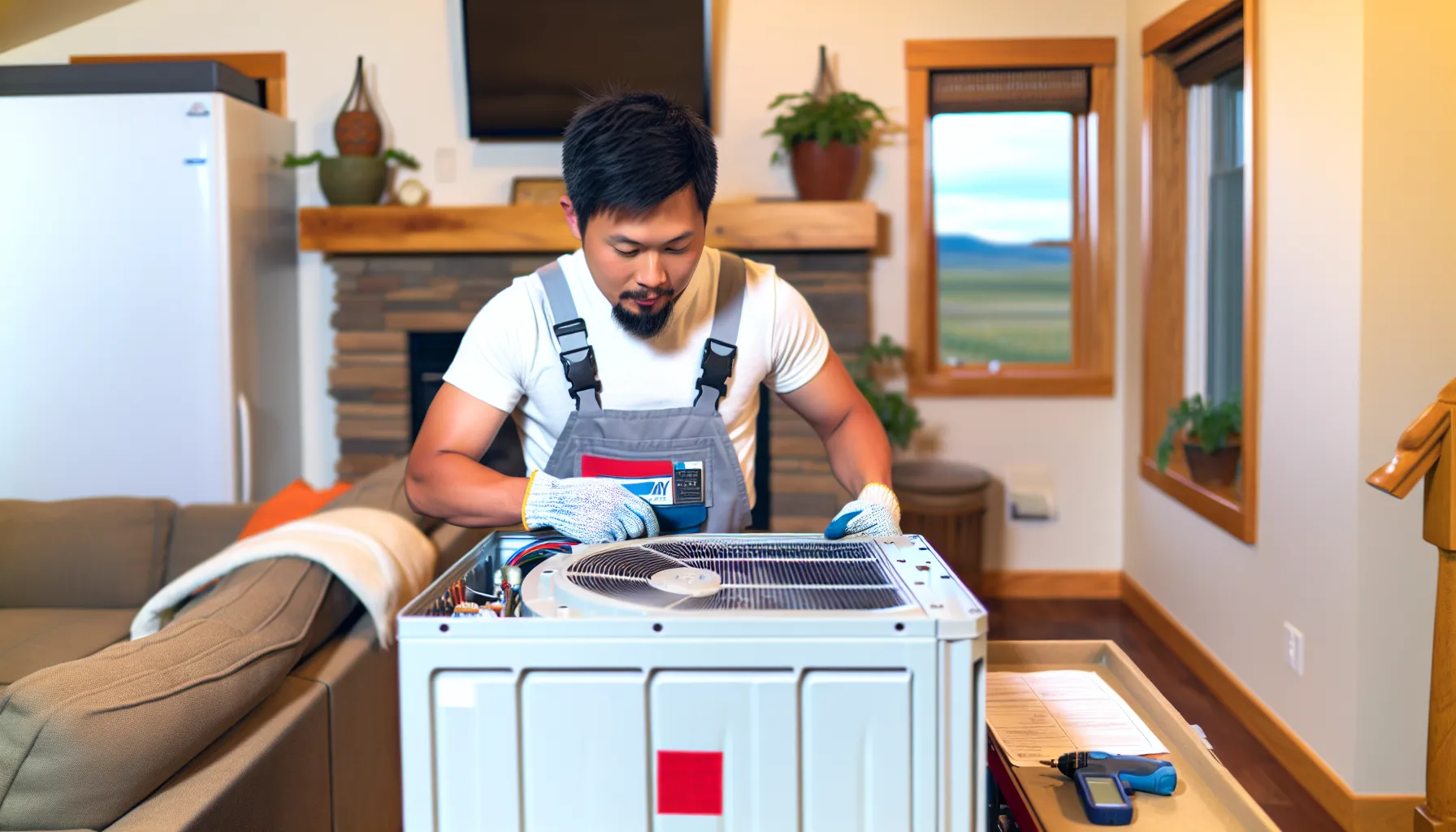
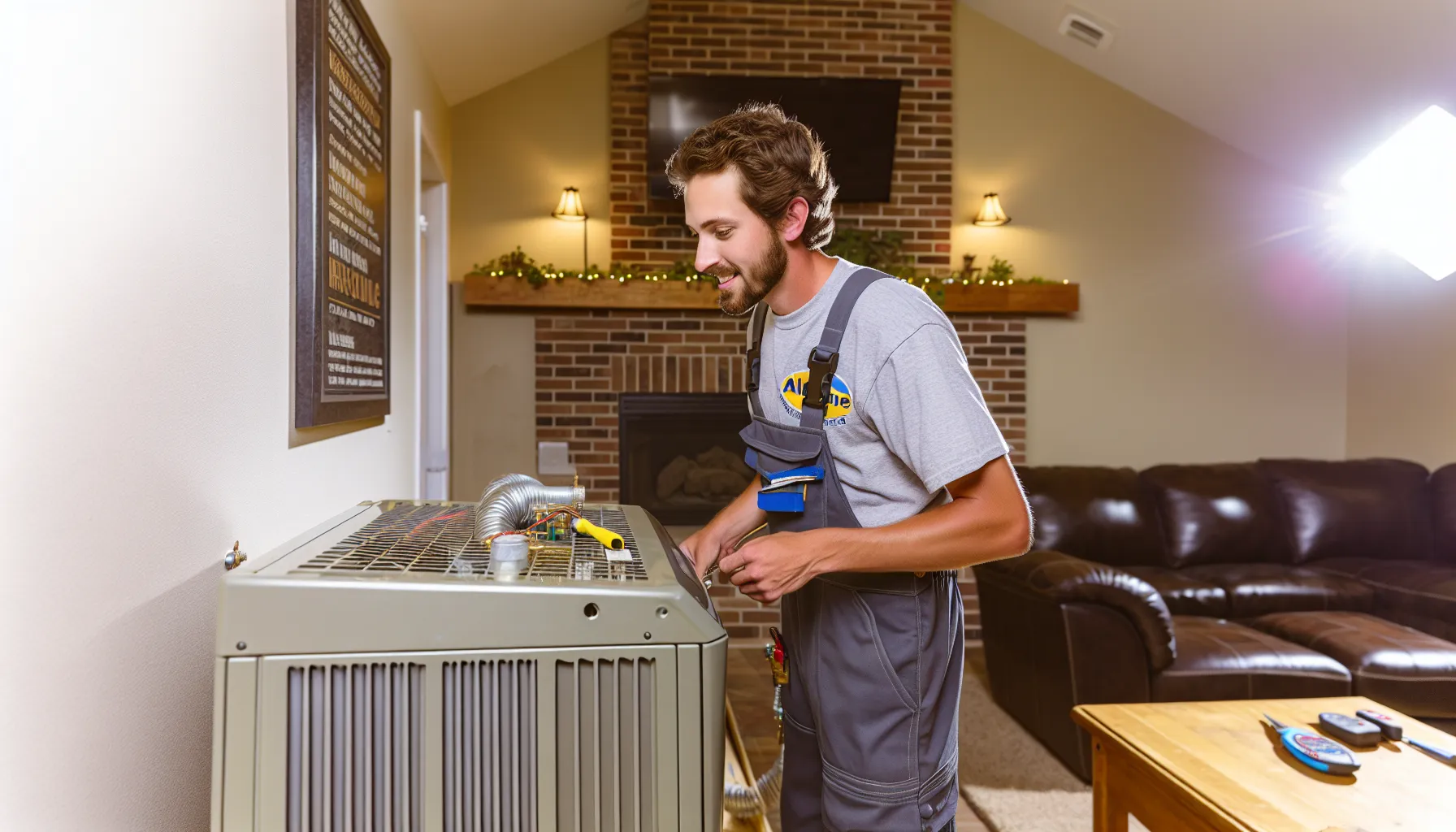
Pay attention to new sounds from your HVAC system. Rattling, banging, or screeching noises could mean loose or broken parts. A persistent burning smell might signal electrical issues, while a musty odor could indicate mold in your ducts. For instance, a homeowner in Centennial reported a metallic odor and later discovered a failing motor capacitor. If you notice any of these signs, it’s time to call a professional.
Inconsistent Heating or Cooling
Are some rooms in your home colder or warmer than others? Uneven temperatures often point to problems with ductwork, thermostats, or the system itself. In Highlands Ranch, a family experienced cold bedrooms and a hot living room, only to find out their duct damper was stuck. Inconsistent heating or cooling can signal deeper issues that need attention before peak season.
Increased Energy Bills
Have your utility bills gone up without explanation? An inefficient HVAC system uses more energy to maintain comfort. Leaky ducts, dirty filters, or failing components can all cause your system to run longer and harder. A small business owner in Boulder noticed a 30% jump in their winter gas bill; a quick furnace repair restored normal energy use and comfort.
Poor Airflow or Weak Output
If you feel weak airflow from your vents or notice that some rooms barely receive any air, it could be due to a clogged filter, blocked duct, or failing blower motor. In Morrison, a homeowner with weak airflow discovered a bird’s nest in their exterior vent. Poor airflow not only makes your home less comfortable but also strains your system, leading to more repairs.
Frequent Cycling or System Shutdowns
Does your HVAC unit turn on and off more often than usual, or shut down unexpectedly? Frequent cycling could indicate thermostat issues, refrigerant leaks, or electrical problems. A resident in Aurora faced constant cycling during a summer heatwave, only to find a faulty thermostat sensor. Addressing these issues promptly keeps your system running smoothly and efficiently.
DIY Checks Before Calling an HVAC Repair Professional
Inspecting Air Filters and Vents
Before calling for repair, check your air filters. Dirty or clogged filters restrict airflow, reduce efficiency, and can even cause system shutdowns. Change your filters every 1-3 months, especially during peak seasons. Also, check that vents are open and not blocked by furniture or rugs.
Checking Thermostat Settings
Sometimes, HVAC problems are as simple as incorrect thermostat settings or dead batteries. Make sure your thermostat is set to the right mode (heating or cooling), the temperature is appropriate, and the schedule matches your routine. If you have a smart thermostat, ensure it is connected to Wi-Fi and software is up to date.
Looking for Visible Leaks or Damage
Inspect your HVAC system for visible signs of trouble. Look for water pooling around the furnace or air conditioner, rust on components, or disconnected ducts. In Golden, a homeowner spotted water near their furnace and avoided water damage by calling for prompt repair. Always address leaks or visible damage quickly to prevent further issues.
When to Call a Colorado HVAC Repair Expert
Risks of Delaying Repairs
Delaying necessary HVAC repairs can lead to costlier problems. For example, ignoring a refrigerant leak can damage your compressor, resulting in a major repair or full system replacement. In Colorado’s extreme weather, a failed system can also mean discomfort, frozen pipes, or even health risks for vulnerable family members.
Choosing a Licensed HVAC Contractor
When repair needs go beyond simple fixes, it’s important to hire a licensed, insured HVAC contractor. A professional will accurately diagnose the issue, provide transparent estimates, and complete repairs that meet safety codes. In areas like Denver and Highlands Ranch, where city permits may be required, working with a reputable company like Alloy Heating and Cooling ensures your investment is protected and your system is safe.
Preventative Maintenance Tips for Colorado Homeowners
Seasonal HVAC Maintenance Checklist
- Replace or clean air filters every 1-3 months.
- Schedule professional tune-ups before heating and cooling seasons.
- Clear debris from around outdoor units.
- Check and clean home vents and registers.
- Test your thermostat and change batteries if needed.
- Inspect visible ductwork for leaks or damage.
- Listen for unusual noises during system operation.
- Review your energy bills for unexpected increases.
Benefits of Regular Professional Inspections
Annual or semi-annual inspections by a professional HVAC technician extend your system’s life, maintain energy efficiency, and prevent surprise breakdowns. In neighborhoods like Roxborough Park and Evergreen, where winter storms can hit hard, a well-maintained system provides peace of mind. Regular check-ups also help you budget for future repairs or replacements, avoiding costly emergencies.
By understanding the signs your HVAC system needs repair and taking proactive steps, you can maintain a comfortable, energy-efficient home all year. Alloy Heating and Cooling proudly serves Colorado communities from Boulder to Castle Rock, offering expert installation, repair, and maintenance for all your HVAC needs.
Frequently Asked Questions
How do I know if my HVAC system needs repair?
Common signs include strange noises, unpleasant odors, inconsistent temperatures, higher energy bills, or poor airflow. If you notice any of these, it’s time to consider HVAC repair.
Can I perform any HVAC repairs myself?
Homeowners can perform simple tasks like changing air filters or checking thermostat batteries. For complex issues, it’s best to contact a licensed HVAC repair technician.
How often should I have my HVAC system inspected in Colorado?
It’s recommended to schedule professional HVAC inspections at least once a year—preferably before the heating or cooling season begins.
What are the risks of delaying HVAC repairs?
Delaying HVAC repairs can lead to higher energy costs, system breakdowns, reduced indoor air quality, and expensive replacements.
How do I choose a reliable HVAC repair service in Colorado?
Look for licensed, insured, and well-reviewed HVAC repair companies. Ask for referrals, check online reviews, and verify credentials before hiring.

Alloy HVAC Team
HVAC experts with years of experience in the industry. We share tips, insights, and the latest trends in heating, ventilation, and air conditioning to help you maintain optimal comfort in your home or business.