SEER Ratings Explained: What Colorado Homeowners Should Know Before Buying an AC Unit
SEER Ratings Explained: What Colorado Homeowners Should Know Before Buying an AC Unit
If you’re considering a new air conditioning unit for your Colorado home, understanding SEER ratings is essential. With Colorado’s unique climate and fluctuating temperatures, choosing the right AC system can have a big impact on comfort and energy bills. At Alloy Heating and Cooling, we help homeowners, small businesses, and commercial property managers across Greenwood Village, Englewood, Littleton, Denver, Boulder, and beyond make smart, efficient choices. Let’s break down what SEER ratings mean and how to choose the best AC unit for Colorado’s climate.
What is a SEER Rating on AC Units?
Definition of SEER Rating
SEER stands for Seasonal Energy Efficiency Ratio. It measures the cooling output of an air conditioner over a typical cooling season divided by the total electric energy input during the same period. In simple terms, the higher the SEER rating, the more efficiently the unit converts electricity into cool air.
How SEER Ratings Measure Efficiency
SEER ratings are calculated by running a unit through a simulated cooling season. This takes into account varying outdoor temperatures, rather than just peak performance. For example, a unit with a SEER rating of 16 is twice as efficient as an older unit with a SEER of 8. This efficiency translates directly to lower energy consumption and reduced utility bills.
Why SEER Ratings Matter for Homeowners
For Colorado homeowners, the SEER rating is more than just a number on a sticker. It represents potential savings, improved comfort, and environmental impact. Choosing a higher SEER unit can mean a cooler home during heatwaves and less strain on your wallet every month.
Understanding SEER Ratings for Colorado’s Climate
How Colorado’s Weather Affects AC Efficiency
Colorado is known for its dry heat, high altitude, and dramatic temperature swings. These factors can affect how efficiently your AC operates. For instance, at higher elevations, air conditioners have to work harder to cool down the thinner air. In places like Highlands Ranch or Castle Rock, where summers can get surprisingly hot, an efficient AC system is a must.
Minimum SEER Requirements in Colorado
As of 2023, the federal minimum SEER rating for new central air conditioners installed in Colorado is 14. Units below this standard are not permitted. At Alloy Heating and Cooling, we recommend going beyond the minimum, especially if you want to future-proof your investment or qualify for rebates.
Best SEER Ratings for Colorado Homes
While a SEER 14 unit will meet code, many Colorado homeowners opt for AC systems in the 16 to 18 SEER range. These units offer a balance of upfront cost and long-term savings. For example, a homeowner in Centennial replaced a 10 SEER system with a 17 SEER unit and reported a noticeable drop in summer energy bills, along with more consistent cooling during hot spells.
How SEER Ratings Impact Energy Costs and Savings
Comparing Energy Usage by SEER Level
Let’s say you have a 2,000-square-foot home in Parker. Upgrading from a 10 SEER to a 16 SEER air conditioner can reduce energy consumption by about 38 percent. Over the course of a summer, those savings add up, especially during periods of extended heat.
Estimating Cost Savings Over Time
While high-SEER units typically cost more upfront, the long-term energy savings can be significant. For example, a family in Aurora replaced their aging AC with a 16 SEER model and saved approximately $250 per year on energy bills. Over a 10-year lifespan, that’s $2,500 in savings, enough to offset the higher initial investment, not to mention the environmental benefits.
Available Rebates and Incentives for High-SEER AC Units
Colorado utility companies, such as Xcel Energy and Black Hills Energy, often offer rebates for installing high-efficiency AC units. These rebates can range from $200 to $800, depending on the SEER rating and system size. Combine these incentives with potential tax credits, and upgrading to a higher SEER unit becomes much more affordable. Always check with your local utility provider or ask our Alloy Heating and Cooling team for current offers in your area.
Choosing the Right SEER Rating When Buying an AC Unit
Factors to Consider Beyond SEER Rating
While SEER is critical, it isn’t the only factor to consider. Look at system features such as variable-speed motors, smart thermostats, and compatibility with your existing ductwork. For example, a homeowner in Morrison found that pairing a 16 SEER unit with a programmable thermostat cut their cooling costs even further.
Sizing and Installation Tips for Colorado Homeowners
Proper sizing is crucial. An undersized unit will struggle to cool your home, while an oversized one will cycle on and off too frequently, wasting energy and reducing comfort. Always have a professional, like Alloy Heating and Cooling, perform a load calculation for your unique space. We recently helped a small business in Denver select a right-sized, 18 SEER system, resulting in both comfort improvements and lower monthly bills.
Maintenance Tips to Maximize SEER Performance
Even the highest SEER unit won’t perform at its best without routine maintenance. Change filters regularly, keep condenser coils clean, and schedule annual tune-ups. In Evergreen, one homeowner saw their system’s efficiency drop until a simple coil cleaning restored performance to like-new levels. Keeping up with maintenance ensures you get the full benefit of your investment.
Ready to upgrade your AC or need help understanding SEER ratings? Alloy Heating and Cooling is here to help Colorado homeowners and businesses find the right cooling solution. Contact us today for a free consultation or to schedule a system assessment.
Frequently Asked Questions
What does SEER stand for in AC units?
SEER stands for Seasonal Energy Efficiency Ratio, a measurement of how efficiently an air conditioning unit uses electricity over a typical cooling season.
What is a good SEER rating for an AC unit in Colorado?
A SEER rating of 14 or higher is recommended for Colorado, but higher SEER units (16-18+) can provide better energy savings, especially in homes with high cooling demand.
Does a higher SEER rating make a big difference in energy bills?
Yes, a higher SEER rating means greater efficiency, which can significantly reduce your energy bills over time, especially during hot Colorado summers.
Are there rebates for high-SEER AC units in Colorado?
Many utility companies and state programs in Colorado offer rebates and incentives for installing AC units with higher SEER ratings. Check with your local provider for current offers.
How do I find the SEER rating on my current AC unit?
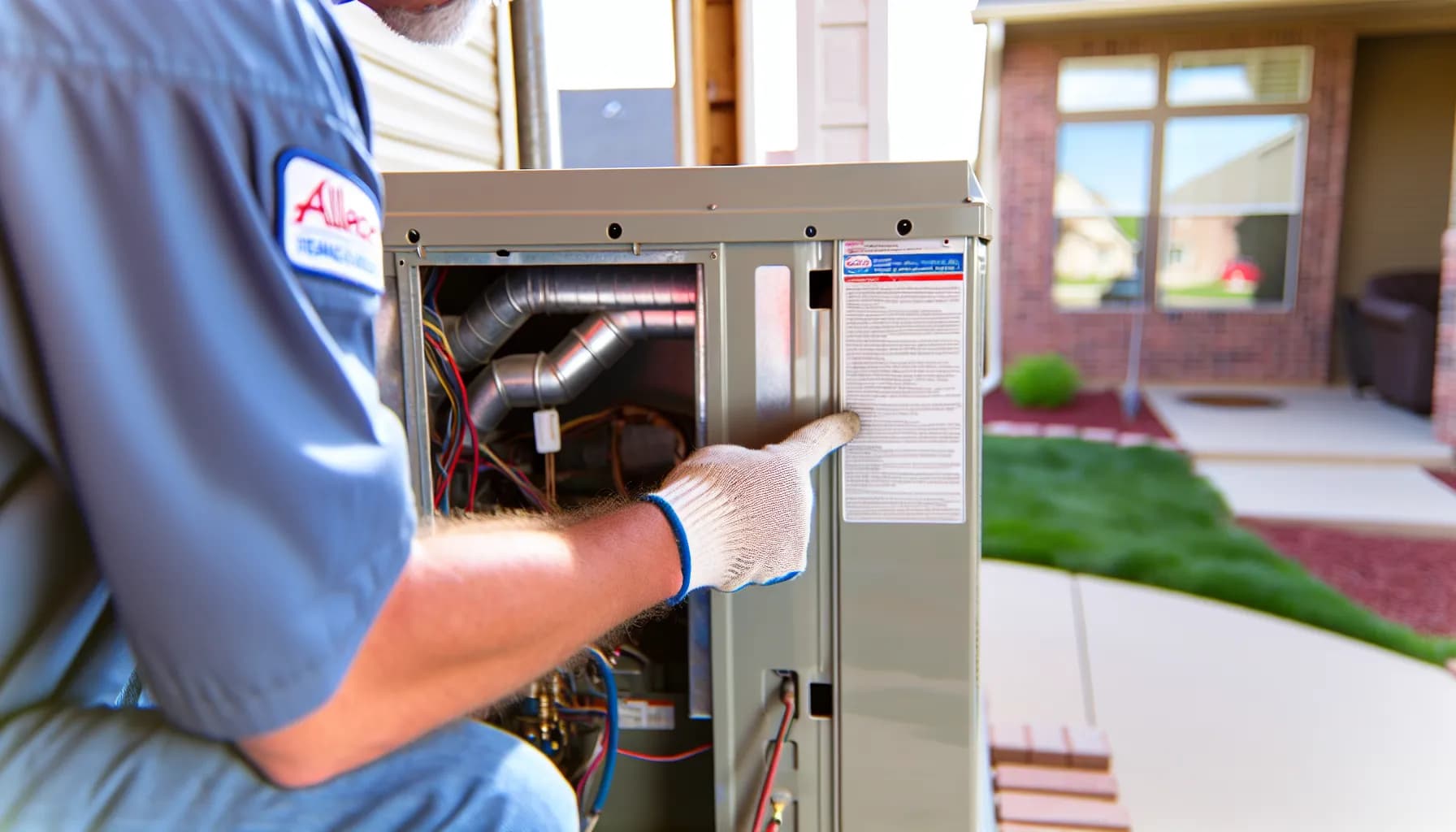
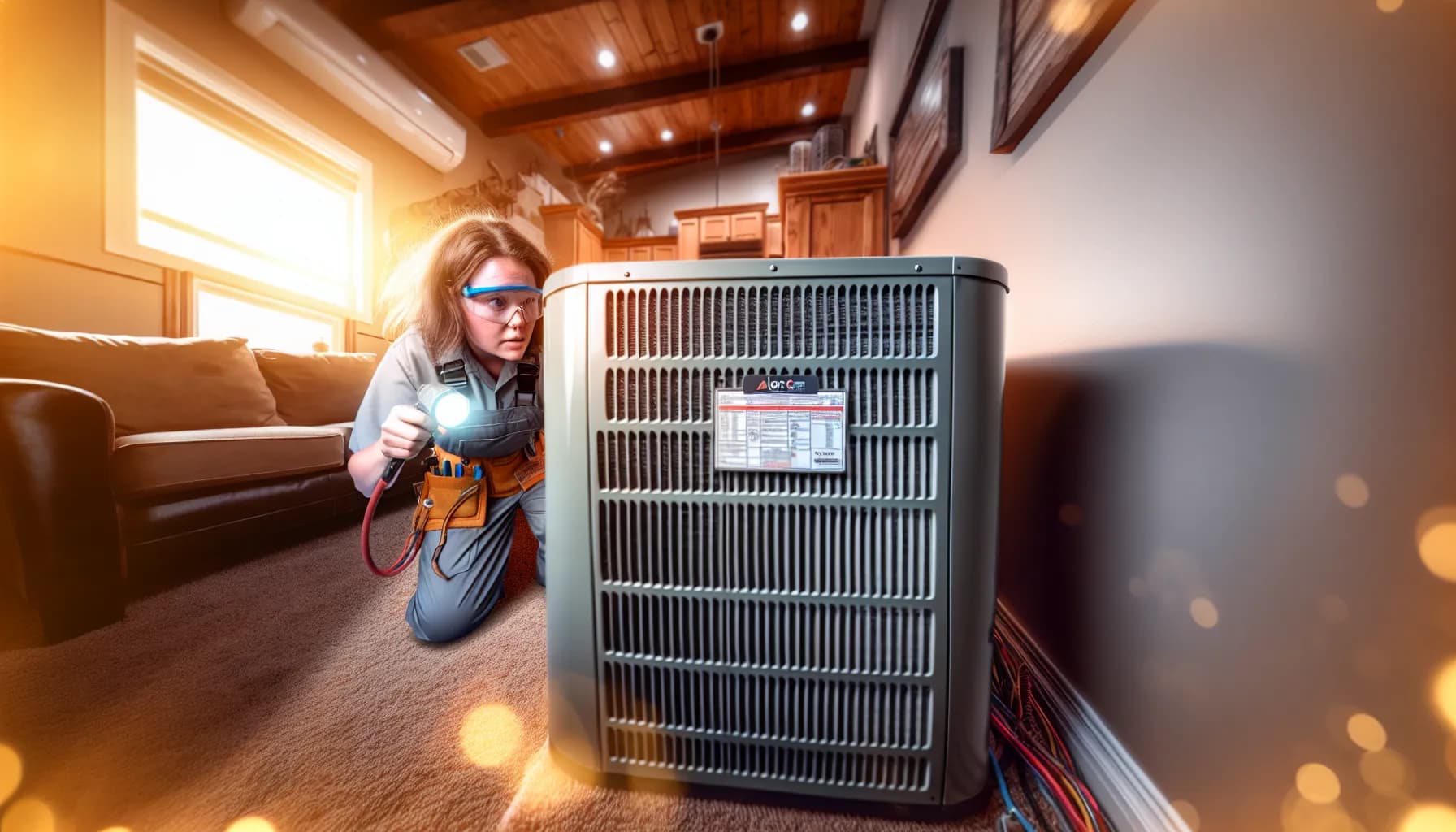
The SEER rating is usually listed on the unit’s EnergyGuide label, located on the side of the condenser or in the product documentation.

Alloy HVAC Team
HVAC experts with years of experience in the industry. We share tips, insights, and the latest trends in heating, ventilation, and air conditioning to help you maintain optimal comfort in your home or business.