Understanding SEER Ratings: How to Choose the Best AC Unit for Your Colorado Springs Home
Understanding SEER Ratings: How to Choose the Best AC Unit for Your Colorado Springs Home
Choosing a new air conditioning unit for your Colorado Springs home is a big investment. With so many options, understanding SEER ratings can help you make the smartest and most cost-effective choice. At Alloy Heating and Cooling, we want to ensure you get the right AC unit for your comfort, budget, and Colorado climate. Here’s what you need to know.
What is a SEER Rating on AC Units?
Definition of SEER Rating
SEER stands for Seasonal Energy Efficiency Ratio. It measures how efficiently an air conditioner cools your home over an entire cooling season. The higher the SEER rating, the less electricity the unit uses to deliver the same amount of cooling. Think of it as miles per gallon for your AC. A higher number means better efficiency.
How SEER Ratings are Calculated
SEER ratings are determined by dividing the total cooling output of an AC (measured in British thermal units, or BTUs) during a typical cooling season by the total energy it consumes in watt-hours. For example, if an AC unit delivers 60,000 BTUs of cooling and uses 4,000 watt-hours, its SEER rating is 15. This calculation takes into account typical temperature fluctuations, not just a single test point.
Why SEER Ratings Matter for Homeowners
SEER ratings directly affect your monthly energy bills and environmental impact. A higher SEER unit uses less power, which could lower your energy costs. For instance, upgrading from an older 10 SEER unit to a new 16 SEER model could cut your cooling expenses by up to 40%. Plus, efficient AC units often provide better humidity control and quieter operation.
SEER Ratings and Colorado Springs Climate
Energy Efficiency Needs in Colorado Springs
Colorado Springs experiences warm, sunny summers, but not the prolonged high temperatures seen in southern states. This means your AC works hard during peak months but gets a break in between. Energy efficiency is still important, as unpredictable heat waves can spike your energy usage. Investing in the right SEER rating ensures comfort without overspending on utility bills.
How Local Climate Impacts AC Performance
Our local climate also means your AC might not need to run as constantly as it would in states like Texas or Arizona. However, at higher elevations, air conditioners face unique challenges, such as thinner air and wider temperature swings. A well-chosen SEER rating ensures your system keeps up with these conditions without using excess electricity.
Choosing the Right SEER Rating for Your Area
For most Colorado Springs homes, a SEER rating of 14 to 16 offers a good balance of efficiency and value. Homeowners looking for maximum savings or increased home comfort may consider units with SEER ratings of 18 or above. For example, a family in the Briargate neighborhood might benefit from a 16 SEER unit if they work from home and need consistent cooling, while a couple who travels often may find a 14 SEER unit more cost-effective.
Comparing SEER Ratings: What’s Best for Your Home?
Low vs. High SEER Ratings: Pros and Cons
Lower SEER units (such as 13 or 14) have a lower initial cost and are often sufficient for smaller homes or spaces that are only cooled occasionally. Higher SEER units (16, 18, or even 20+) offer greater energy savings and improved comfort features such as variable-speed motors. For example, a homeowner in Old North End with an older, drafty house might see significant improvements by upgrading from an outdated AC to a modern, 16 SEER unit. However, if you rarely use your AC, the highest SEER rating may not provide a meaningful return on investment.
Upfront Costs vs. Long-Term Savings
Higher SEER units typically cost more to purchase and install, but they pay off through lower energy bills over time. Imagine a small business owner in downtown Colorado Springs who invests in a 20 SEER rooftop unit. Although the upfront cost is higher, the business sees lower monthly operating costs and improved comfort for employees and customers. Most homeowners recover the difference within a few years, especially if they use their AC frequently.
Other Factors to Consider Besides SEER
SEER is important, but it’s not the only consideration. Proper sizing, installation quality, and home insulation all influence efficiency and comfort. A high-SEER unit installed poorly or in an unsealed house won’t perform as expected. Features like programmable thermostats, multi-stage compressors, and advanced filtration can also impact your overall satisfaction and operating costs.
Tips for Selecting the Best AC Unit
Sizing Your AC Unit Correctly
A common mistake is choosing an AC that’s too large or too small for your home. An oversized unit will short-cycle, leading to uneven cooling, excess humidity, and higher wear. An undersized system will run constantly and struggle on hot days. Professional HVAC technicians from Alloy Heating and Cooling use precise calculations based on your home’s size, layout, insulation, and sun exposure to recommend the perfect fit.
Working with Certified HVAC Professionals
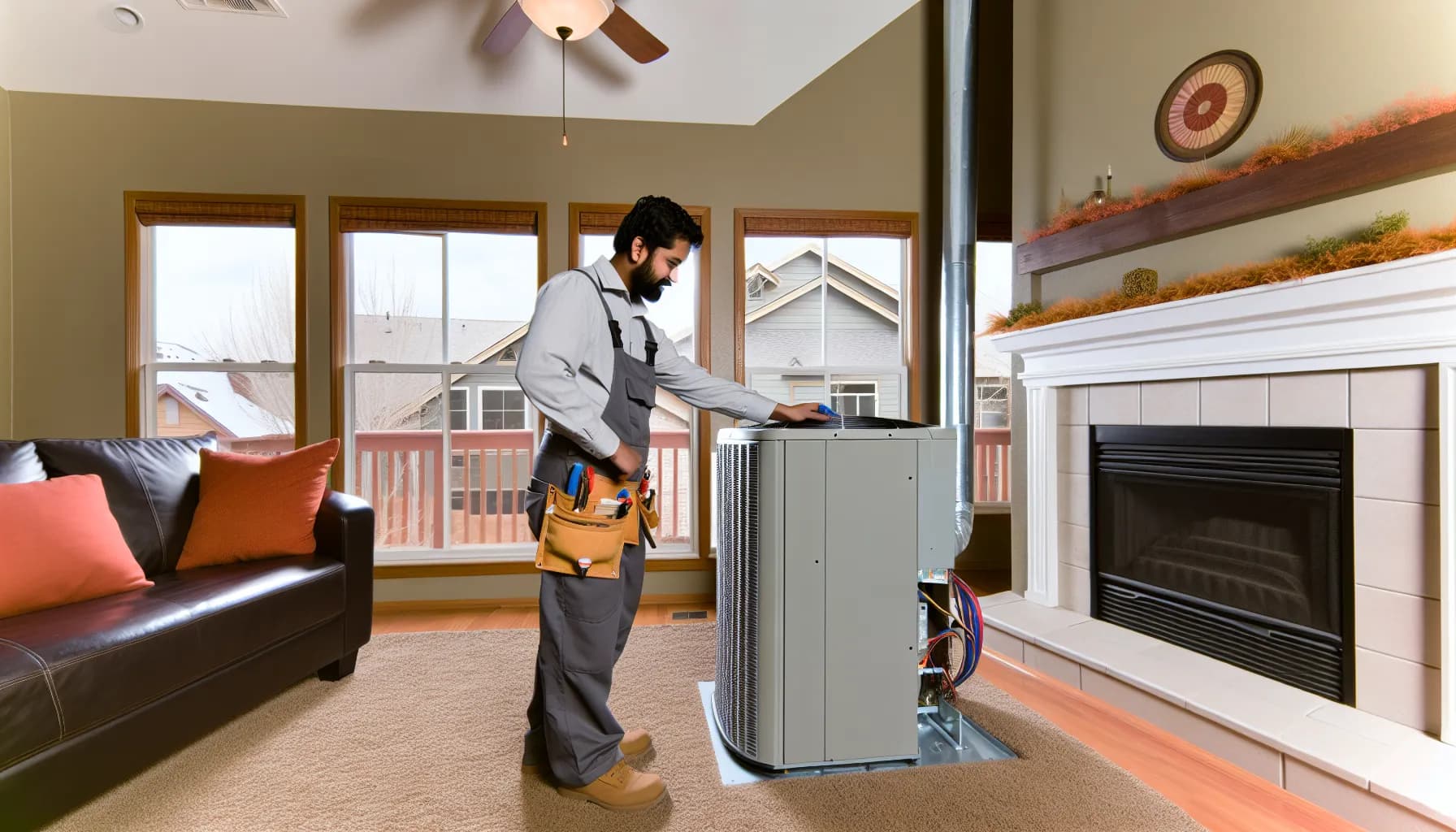
Proper installation is critical for long-term efficiency and reliability. Experienced, certified technicians ensure your new AC is correctly installed, tested, and optimized for your specific needs. For instance, we recently helped a family in the Broadmoor area replace their 20-year-old AC with a 17 SEER system. Not only did they notice quieter operation, but their monthly cooling bill dropped by nearly 35%.
Maintenance Tips for High-SEER AC Units
High-SEER units are advanced systems that require regular maintenance to sustain peak efficiency. Change your filters every 1, 3 months, schedule annual tune-ups, and keep the area around your outdoor unit clear of debris. Homeowners in Colorado Springs have reported that these simple steps helped extend the life of their AC and maintain lower energy bills year after year.
Choosing the right AC unit for your Colorado Springs home is easier when you understand SEER ratings. Whether you prioritize upfront savings or long-term efficiency, Alloy Heating and Cooling can help you make the best decision for your comfort and budget. Contact us today for a free in-home estimate and personalized recommendations throughout the Colorado Front Range.
Frequently Asked Questions
What is a good SEER rating for an AC unit in Colorado Springs?
A SEER rating of 14-16 is generally considered efficient for Colorado Springs homes, but higher ratings (18+) may offer greater energy savings depending on your usage and budget.
Does a higher SEER rating always mean better energy savings?
Higher SEER ratings indicate more efficient AC units, but actual savings depend on factors like unit size, installation quality, and your home’s insulation.
Can I replace my old AC unit with a higher SEER rating model?
Yes, upgrading to a higher SEER rating unit is possible and often recommended for improved efficiency and comfort.
How does Colorado Springs’ climate affect SEER rating choices?
Colorado Springs’ moderate summers mean that a mid-range SEER rating can be adequate, but those seeking maximum efficiency and lower utility bills may opt for higher SEER units.
Is a higher SEER AC unit worth the extra upfront cost?
A higher SEER AC unit can pay off through lower energy bills over time, especially if you plan to stay in your home for several years.

Alloy HVAC Team
HVAC experts with years of experience in the industry. We share tips, insights, and the latest trends in heating, ventilation, and air conditioning to help you maintain optimal comfort in your home or business.