How Often Should You Have Your HVAC System Serviced in Colorado’s Unique Climate?
How Often Should You Have Your HVAC System Serviced in Colorado’s Unique Climate?
Living in Colorado means experiencing everything from blazing summer heat to frigid winter nights. The state’s dramatic weather changes make your HVAC system work overtime, so keeping it in peak condition is crucial for comfort and efficiency. At Alloy Heating and Cooling, we know that regular maintenance is the key to getting the most out of your HVAC investment, especially in our unique Colorado climate. Let’s explore how often you should service your system, what factors to consider, and how proper care pays off for your home or business.
Understanding Colorado’s Climate and Its Impact on HVAC Systems
Temperature Extremes and Seasonal Changes
Colorado homeowners and businesses are no strangers to temperature swings. It is common to need your furnace in the morning only to switch on the air conditioner by afternoon. These rapid changes put added strain on your HVAC equipment, increasing wear and tear. A homeowner in Highlands Ranch recently shared how her system struggled to keep up during a week of 30-degree temperature shifts. Regular servicing helps your system adjust to these extremes without missing a beat.
Altitude and Air Quality Considerations
Many Colorado communities, from Denver to Evergreen, sit at high altitudes. Thinner air can affect how your furnace and AC perform. Units may need to work harder to heat or cool the same space compared to lower elevations. Additionally, pollen, wildfires, and dust storms can clog filters faster. This makes routine maintenance essential for airflow and equipment longevity.
Humidity Levels and System Performance
Colorado’s dry air is legendary. Low humidity can dry out HVAC components, leading to cracking or premature failure of seals and belts. In some areas, like Boulder or Golden, monsoon season brings brief but intense humidity spikes that challenge your system’s ability to dehumidify. Checking and cleaning coils and humidifiers as part of maintenance keeps your system balanced all year long.
Recommended Service Intervals for HVAC Systems in Colorado
Annual vs. Biannual Maintenance: What’s Best?
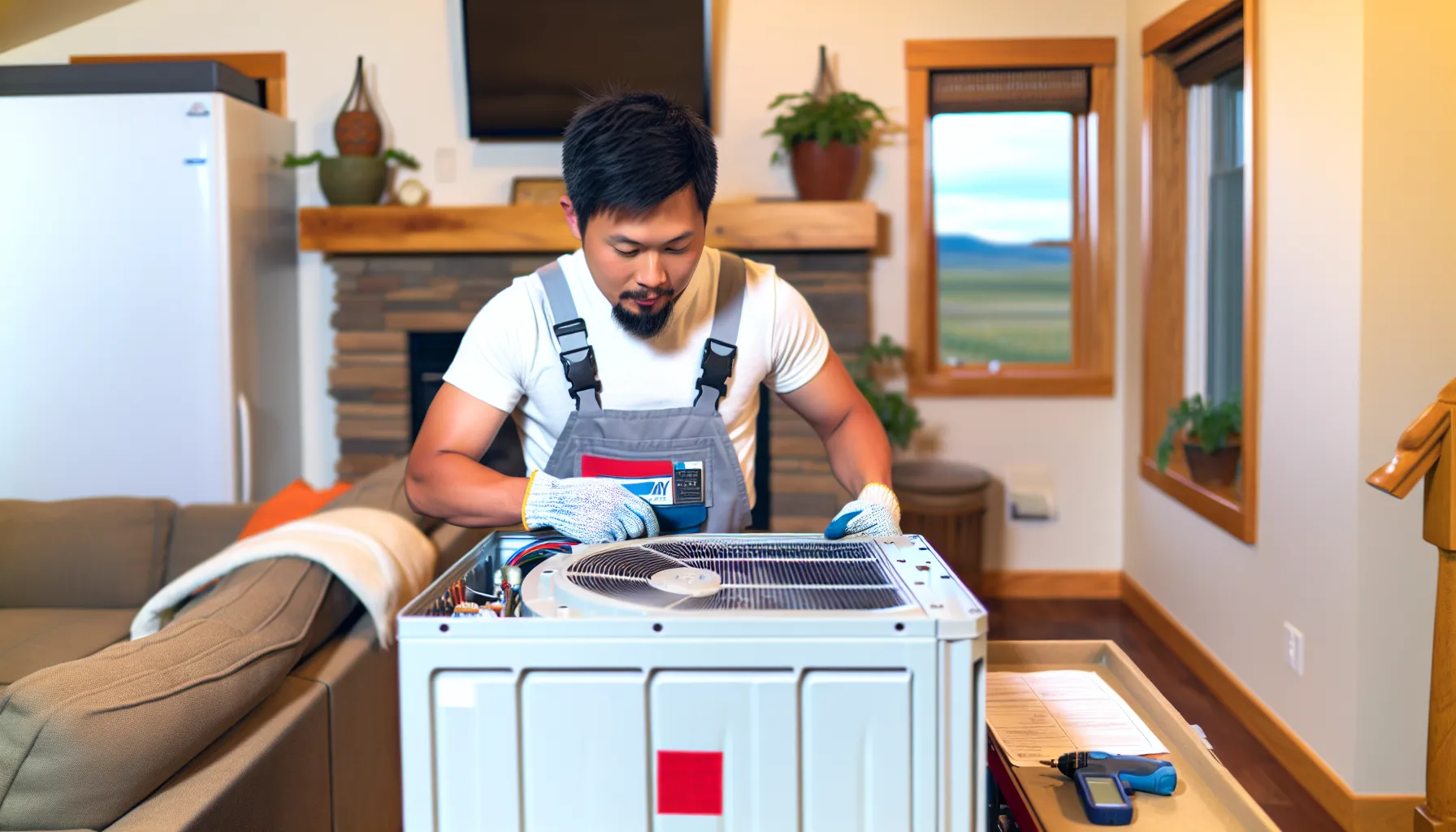
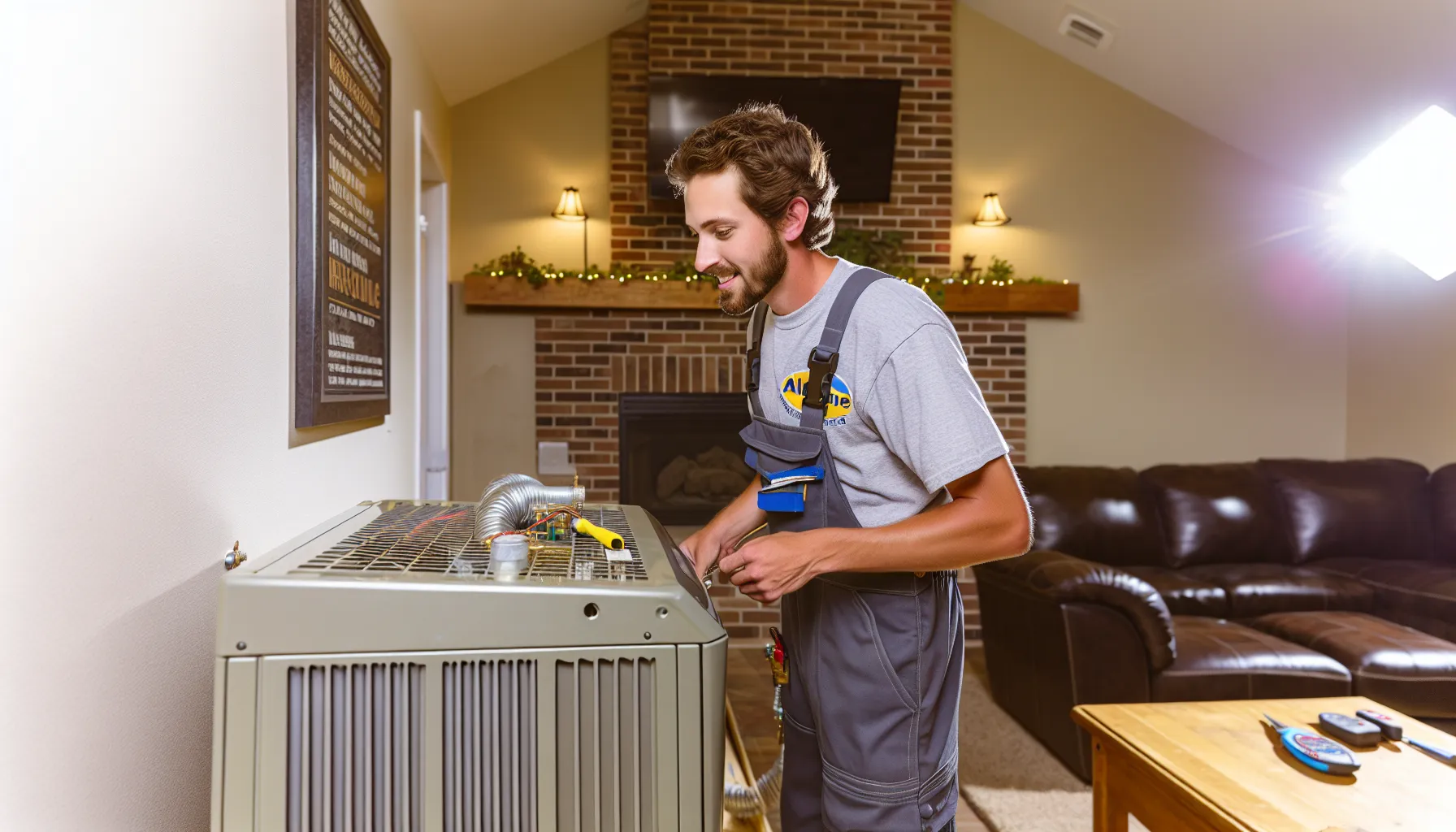
While most manufacturers recommend annual servicing, Colorado’s demanding climate makes biannual (twice yearly) maintenance a smart choice. Schedule a checkup in early fall before you rely on your furnace, and another in the spring to prepare your air conditioner. This approach catches potential issues before they become costly breakdowns.
Differences Between Furnace and Air Conditioning Service Schedules
Furnaces work hardest during long winters, while air conditioners get their workout in late spring through early fall. Each system has different maintenance needs. For example, a homeowner in Castle Rock found her furnace’s heat exchanger had cracked due to dry air and lack of inspection. A biannual plan ensures both heating and cooling equipment receive attention before their peak seasons.
Signs Your HVAC System Needs Immediate Attention
- Unusual noises, like banging or squealing
- Weak airflow or inconsistent temperatures
- Sudden spikes in energy bills
- Strange odors from vents
If you notice any of these issues, call a licensed technician right away. Delaying repairs can lead to larger problems and discomfort.
Benefits of Regular HVAC Maintenance
Energy Efficiency and Cost Savings
Clean, well-maintained systems use less energy. For example, an Aurora business owner saw a 20% drop in utility costs after signing up for regular maintenance with Alloy Heating and Cooling. A system running at peak efficiency pays off month after month.
Prolonging Equipment Lifespan
Routine maintenance helps you avoid premature replacements. Catching worn belts, clogged filters, or refrigerant leaks early keeps your system running longer. Many manufacturers even require regular service to maintain their warranties.
Improved Indoor Air Quality
Colorado’s air can carry pollen, dust, and wildfire smoke. Regular filter changes and duct cleaning reduce allergens, mold, and other contaminants. Cleaner air is especially important for families with allergies or asthma.
DIY Maintenance vs. Professional HVAC Servicing
Simple Tasks Homeowners Can Perform
- Change or clean air filters every 1, 3 months
- Keep outdoor units clear of debris, leaves, and snow
- Check thermostat batteries and settings
- Ensure vents and registers are open and unobstructed
These simple steps can prevent minor issues and keep airflow steady between professional visits.
When to Call a Licensed HVAC Technician
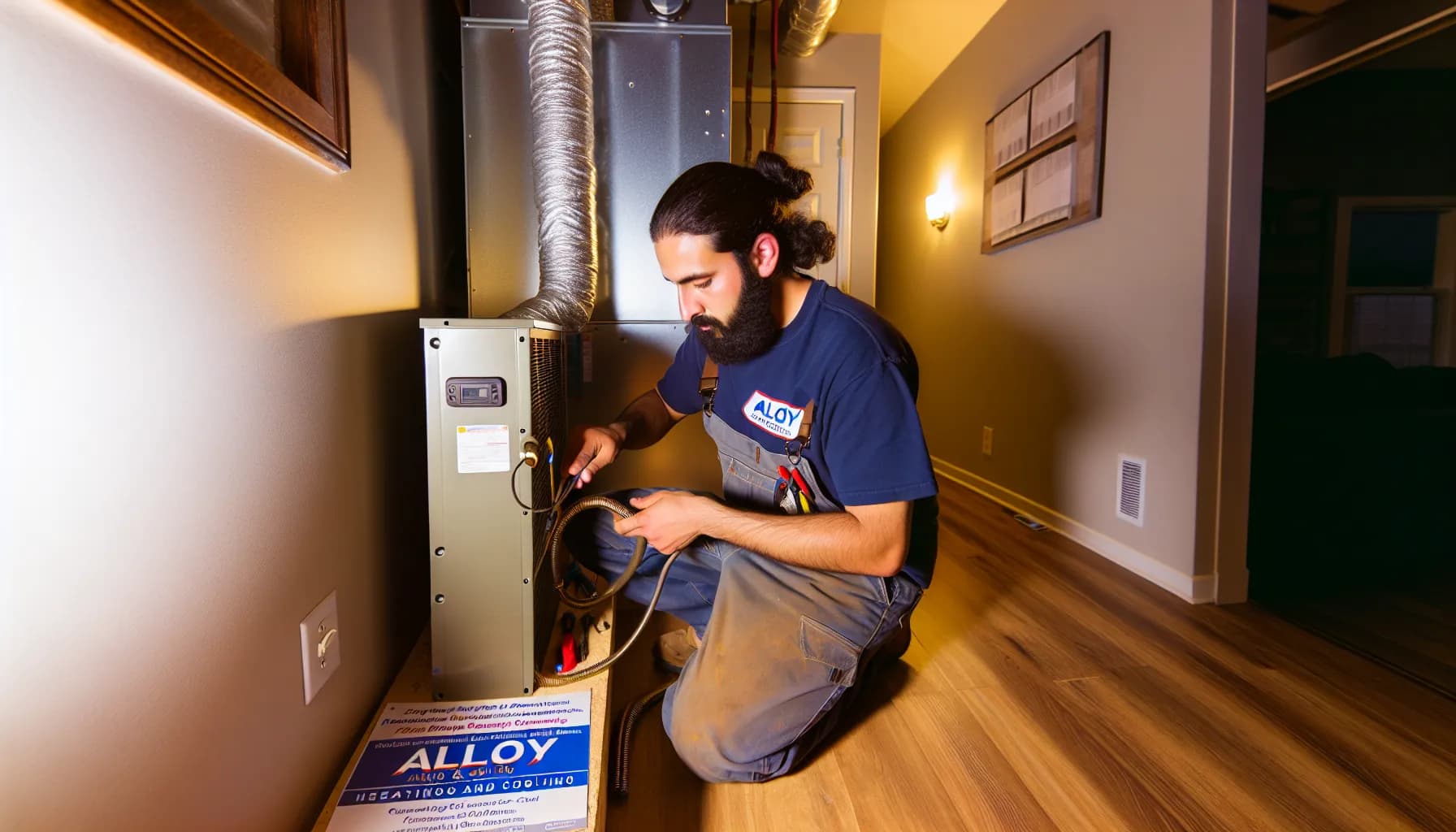
Tasks like inspecting heat exchangers, testing for gas leaks, cleaning coils, and calibrating controls require experience and specialized tools. Professional technicians also spot small problems before they cause breakdowns. For example, a Centennial homeowner avoided a furnace shutdown during a cold snap thanks to a technician catching a failing ignitor during a routine check.
Choosing the Right HVAC Service Plan in Colorado
What to Look for in an HVAC Maintenance Agreement
- Comprehensive inspection and cleaning of both heating and cooling equipment
- Priority scheduling and discounts on repairs
- Documentation for warranty compliance
- Clear terms about what’s included and excluded
Ask about plans tailored for Colorado’s climate, like those that include humidifier checks or extra filter changes during wildfire season.
Questions to Ask Your Service Provider
- Are your technicians certified and experienced with Colorado’s unique conditions?
- What’s included in your maintenance visits?
- Do you offer emergency service if I have an issue after hours?
- Can you help with indoor air quality improvements?
Alloy Heating and Cooling is always happy to answer your questions and build a maintenance plan that fits your needs in Greenwood Village, Littleton, Denver, Boulder, and beyond.
Frequently Asked Questions
How often should I have my HVAC system serviced in Colorado?
Most experts recommend servicing your HVAC system at least once a year, but in Colorado’s climate, biannual maintenance—once before heating season and once before cooling season—is ideal.
Does the altitude in Colorado affect my HVAC maintenance schedule?
Yes, higher altitudes can impact air density and equipment performance, making regular maintenance especially important to ensure efficiency and reliability.
What happens if I skip regular HVAC servicing?
Skipping routine maintenance can lead to reduced efficiency, higher energy bills, more frequent breakdowns, and potentially voided warranties.
Can I perform any HVAC maintenance tasks myself?
Homeowners can change filters, keep vents clear, and check thermostats, but professional inspections are necessary for thorough cleaning and safety checks.
Are there specific maintenance needs for furnaces versus air conditioners in Colorado?
Yes, due to Colorado’s cold winters and warm summers, both furnaces and air conditioners have unique service requirements. Each should be checked before its peak season.

Alloy HVAC Team
HVAC experts with years of experience in the industry. We share tips, insights, and the latest trends in heating, ventilation, and air conditioning to help you maintain optimal comfort in your home or business.