Essential Spring HVAC Tune Up: 7 Powerful Tips for Peak Performance
Essential Spring HVAC Tune Up: 7 Powerful Tips for Peak Performance
Introduction to Spring HVAC Tune Up
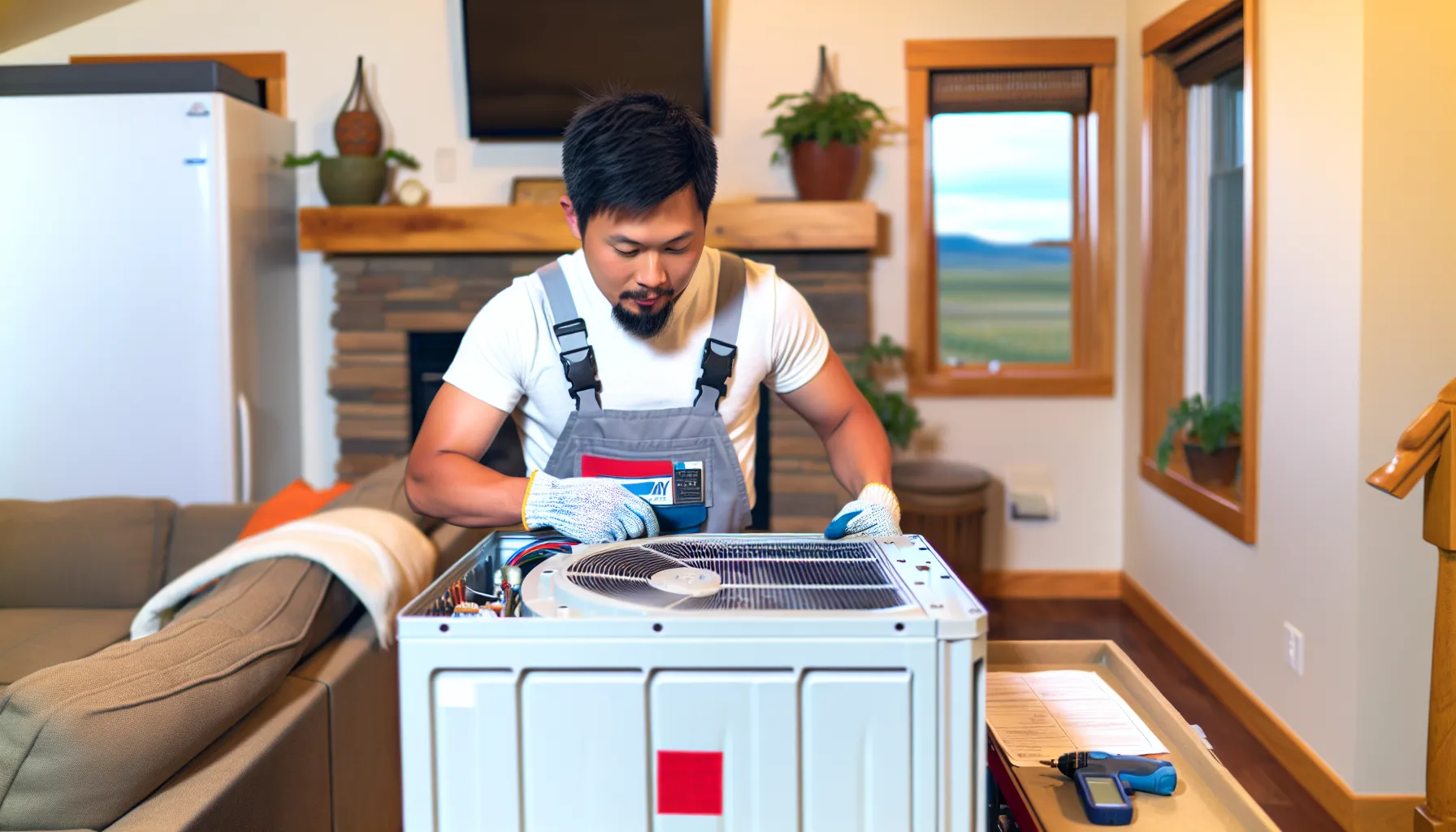
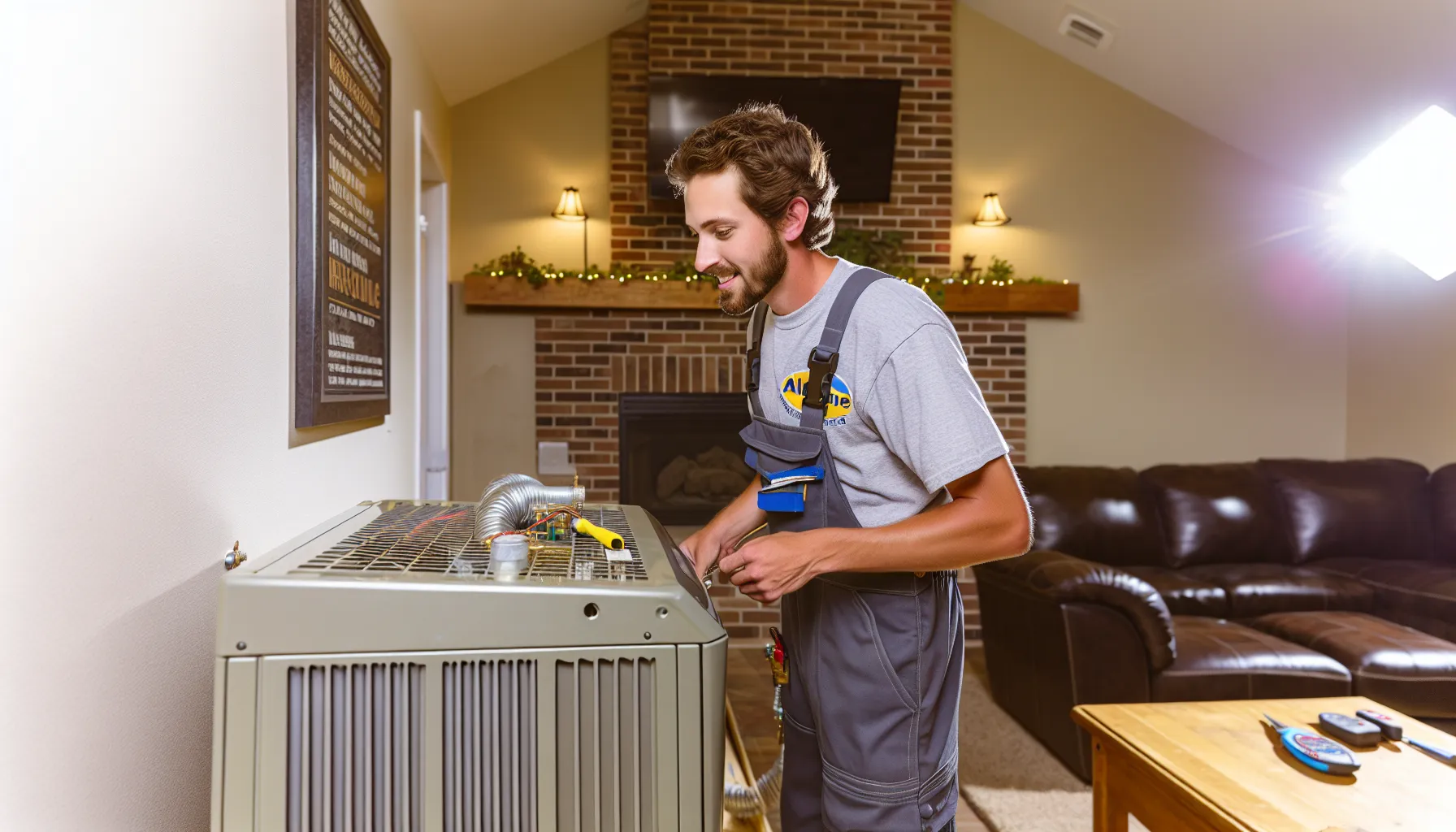
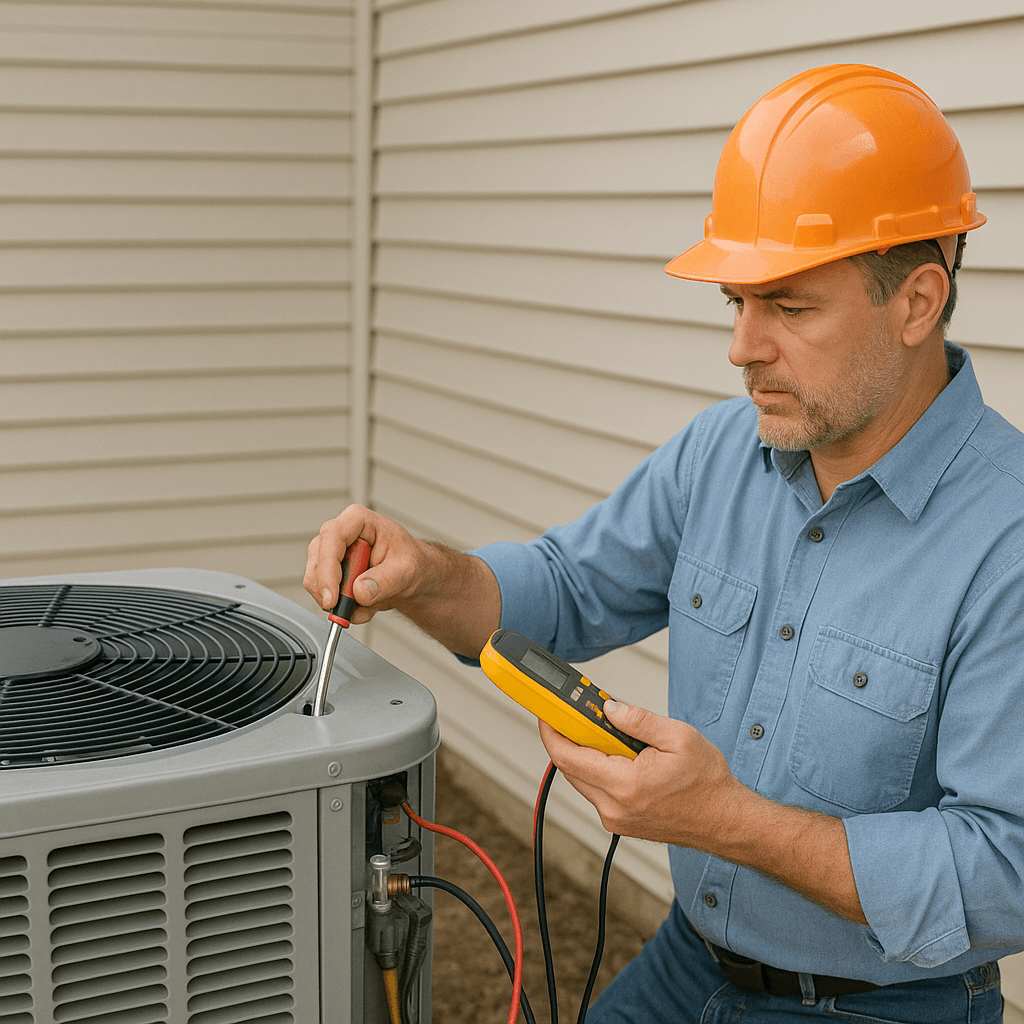
As spring arrives, homeowners eagerly welcome warmer temperatures and blooming flowers. But this change of seasons also signals the best time to perform a spring HVAC tune up. After months of cold winter weather, your HVAC system may need some care to run efficiently and reliably during warmer months. A spring tune up is essential to ensure peak performance, enhance energy efficiency, and maintain comfort indoors.
Why Spring is the Ideal Time for HVAC Maintenance
Spring presents the ideal opportunity for HVAC maintenance, as it prepares your system for the heavy use of summer. During winter, dust, debris, and moisture can accumulate in your HVAC components. Addressing these issues early in spring prevents minor problems from escalating into major breakdowns, ensuring your HVAC is fully operational when you need it most.
Importance of HVAC System Efficiency
Maintaining your HVAC’s efficiency is crucial for several reasons. An efficient system reduces energy consumption, saves money, and provides consistent comfort. Regular spring tune ups improve overall system efficiency, resulting in lower utility bills and extended equipment life.
Benefits of Regular Spring HVAC Tune Ups
Performing regular spring HVAC maintenance offers numerous advantages for homeowners, from financial savings to improved comfort and safety.
Improved Energy Efficiency
Regular tune ups ensure your HVAC system runs at optimal efficiency. Cleaning or replacing dirty filters, lubricating moving parts, and inspecting refrigerant levels contribute significantly to efficiency. As a result, you’ll notice lower monthly energy bills, with savings ranging from 5% to 20%.
Enhanced Indoor Air Quality
During winter, dirt and dust accumulate in HVAC filters and ductwork. Regular spring maintenance includes thoroughly cleaning these components, significantly improving indoor air quality. Better air quality is especially beneficial for allergy sufferers, as it reduces pollutants, allergens, and airborne contaminants.
Reduced Risk of Emergency Breakdowns
No one enjoys unexpected HVAC failures, especially on scorching summer days. Spring tune ups identify and fix minor issues before they escalate, minimizing the risk of costly and inconvenient emergency repairs. Regular maintenance also extends the lifespan of your HVAC system.
Comprehensive Checklist for a Spring HVAC Tune Up
To ensure your HVAC is ready for spring, follow this detailed checklist:
Checking and Replacing Air Filters
Replace dirty air filters monthly during high-usage months. Clean filters keep airflow unrestricted, improving system efficiency and air quality.
Inspecting and Cleaning Coils
Condenser and evaporator coils accumulate dirt and debris. Clean coils enhance your HVAC’s cooling capability and efficiency, preventing unnecessary strain.
Evaluating Refrigerant Levels
Proper refrigerant levels are crucial for your air conditioner’s performance. Low refrigerant can reduce efficiency and potentially damage your system. An HVAC professional can assess and adjust these levels accordingly.
Checking and Adjusting Thermostat Settings
Verify that your thermostat settings accurately control indoor temperature. Upgrading to a programmable thermostat offers greater energy efficiency and precise temperature control.
Inspecting Ductwork for Leaks
Leaky ducts decrease HVAC efficiency by up to 30%. Sealing leaks in ductwork ensures better airflow, reduces energy loss, and significantly enhances indoor comfort.
Signs Your HVAC Needs a Spring Tune Up
Recognize these common signs indicating your HVAC needs attention:
- Unusual Noises or Odors: Strange sounds or smells signal potential issues like motor problems or mold buildup.
- Inconsistent Temperature Control: Fluctuations in indoor temperature indicate thermostat or airflow issues.
- Unexpected Increase in Energy Bills: Higher energy costs without increased usage point to inefficiencies needing attention.
DIY HVAC Tune Up Tips for Homeowners
Performing basic HVAC maintenance can keep your system running smoothly:
- Cleaning Outdoor Units: Clear leaves and debris around the outdoor unit for better airflow.
- Replacing Filters Safely: Always turn off your HVAC before replacing filters to avoid accidents.
- When to Call a Professional: If you notice refrigerant leaks or electrical issues, contact a qualified technician.
Common Mistakes to Avoid During HVAC Maintenance
Avoid costly mistakes by:
- Not ignoring minor issues.
- Always scheduling annual professional maintenance.
- Ensuring you use the correct replacement parts.
Cost of Professional HVAC Tune Up Services
Professional HVAC tune ups usually range between $75 and $200. Pricing depends on factors like system complexity and your location. Investing in regular maintenance helps avoid costly repairs in the future.
Finding Reliable HVAC Professionals
Always choose experienced, licensed HVAC technicians. Ask for certifications, reviews, and clear service estimates before hiring.
Spring HVAC Tune Up vs. Repair: When to Decide
A tune up is preventative; repairs are reactive. Regular tune ups reduce the likelihood of needing expensive repairs later on.
Energy Efficiency and Savings from HVAC Tune Ups
Regular HVAC maintenance offers significant savings. Properly maintained systems can reduce energy consumption by up to 20%, resulting in considerable long-term savings.
Seasonal HVAC Maintenance Schedule
Incorporate spring maintenance into your annual HVAC care routine. Include cleaning, inspections, and professional checks regularly.
FAQ About Spring HVAC Tune Up
Here are the most commonly asked questions regarding spring HVAC tune-ups:
1. How often should I schedule a spring HVAC tune-up?
You should schedule an HVAC tune-up at least once per year, ideally in spring, to prepare your system for heavy summer usage.
2. Can I perform a spring HVAC tune-up myself, or should I hire a professional?
Basic tasks like replacing filters or cleaning the outdoor unit can be done yourself. However, professional technicians are necessary for tasks like refrigerant checks and comprehensive inspections.
3. What happens if I skip my HVAC spring tune-up?
Skipping your spring tune-up could result in reduced efficiency, higher energy bills, poor air quality, and increased likelihood of costly breakdowns.
4. How long does an HVAC tune-up usually take?
A thorough HVAC tune-up typically takes about one to two hours, depending on the size and complexity of your system.
5. What are the immediate benefits I’ll notice after a spring HVAC tune-up?
Immediately after a tune-up, you may notice improved airflow, quieter operation, and more consistent indoor temperatures.
6. Is a spring HVAC tune-up really worth the cost?
Yes, HVAC tune-ups typically pay for themselves through improved efficiency, reduced energy bills, and preventing expensive repairs.
Conclusion: Keeping Your HVAC System Optimal for Spring
Spring HVAC tune-ups are more than just maintenance—they’re an investment in your home comfort and financial savings. By following the above steps, hiring reliable professionals when necessary, and maintaining your system regularly, you’ll ensure your HVAC system operates efficiently, reliably, and safely throughout the spring and summer months.

Alloy HVAC Team
HVAC experts with years of experience in the industry. We share tips, insights, and the latest trends in heating, ventilation, and air conditioning to help you maintain optimal comfort in your home or business.