Best HVAC Systems for Colorado’s Changing Climate in 2024: What Homeowners Should Know
Best HVAC Systems for Colorado’s Changing Climate in 2024: What Homeowners Should Know
As Colorado’s weather patterns become more unpredictable, choosing the right HVAC system for your home or small business in the Front Range is more important than ever. Whether you live in Greenwood Village, Littleton, Highlands Ranch, Boulder, or any of our vibrant communities, you’ve likely experienced the wild temperature swings, dry air, and sudden snowstorms that define our state. At Alloy Heating and Cooling, we focus on helping homeowners and small businesses select, install, and maintain HVAC systems that truly withstand Colorado’s unique climate challenges.
Understanding Colorado’s Unique Climate Challenges
Extreme Temperature Swings
Colorado is famous for its dramatic weather shifts. It’s not uncommon to see a 30-degree temperature change within a single day. For example, a homeowner in Aurora might switch from air conditioning to heat in a matter of hours during the spring or fall. These quick changes put strain on HVAC systems and make it essential to have equipment that can efficiently handle both heating and cooling on demand.
Altitude Effects on HVAC Performance
Many Colorado cities, including Denver and Boulder, are situated well above sea level. At higher altitudes, the air is thinner, which can affect how efficiently HVAC systems operate. Combustion-based furnaces, for instance, may not burn fuel as efficiently, while air conditioners can lose some cooling capacity. This means systems must be properly sized and adjusted for altitude. Our team at Alloy Heating and Cooling regularly calibrates equipment for homeowners in Castle Rock, Evergreen, and other high-altitude communities to ensure optimal performance.
Seasonal Weather Patterns
Colorado experiences four distinct seasons, with cold, snowy winters and hot, dry summers. Spring and fall can bring unpredictable weather, from late snowstorms to unseasonably warm days. This variability requires an HVAC system that is both flexible and reliable, with the ability to switch modes quickly and maintain comfort year-round.
Key Features to Look for in the Best HVAC System for Colorado Climate
Energy Efficiency and SEER Ratings
Energy efficiency is critical for managing utility bills and reducing environmental impact. When evaluating HVAC systems, look for a high Seasonal Energy Efficiency Ratio (SEER) for air conditioners and heat pumps, and an Annual Fuel Utilization Efficiency (AFUE) rating for furnaces. For example, a Greenwood Village homeowner who upgraded from an older 10 SEER unit to a 20 SEER heat pump saw a dramatic reduction in summer cooling costs. High-efficiency systems are especially important in Colorado, where temperature extremes can drive up energy use.
Humidity Control and Air Quality
Colorado’s dry air can exacerbate respiratory issues and reduce indoor comfort. The best HVAC systems for this region offer integrated humidity control. Systems with variable-speed fans and add-on humidifiers help maintain comfortable moisture levels even during dry winters. Air quality is another priority. HEPA filtration, UV lights, and advanced air purifiers can remove allergens, dust, and viruses, which is especially beneficial for families in areas like Parker and Centennial.
Smart Thermostats and Zoning Options
Smart thermostats, such as the Nest or Ecobee, allow homeowners to control indoor temperatures remotely and create personalized schedules. Zoning options divide your home into separate areas, each with its own climate control. This is ideal for multi-level houses in Highlands Ranch or larger properties in Castle Pines, where some rooms receive more sunlight or are used less frequently. Zoning can reduce wasted energy and improve comfort throughout your home.
Top HVAC Systems for Colorado Homes in 2024
Heat Pumps vs. Traditional Furnaces
Modern heat pumps have become increasingly popular in Colorado, thanks to their ability to provide both heating and cooling efficiently. Unlike older models, today’s cold-climate heat pumps work reliably even when temperatures drop below freezing. For example, a Lone Tree homeowner replaced an outdated gas furnace with a variable-speed heat pump and reported consistent warmth throughout the winter while saving on utility costs. Traditional gas furnaces, especially high-efficiency models, remain a strong choice for areas that experience extended cold spells, like Monument or Palmer Lake.
Ductless Mini-Split Systems
Ductless mini-split systems are ideal for homes without existing ductwork, such as historic properties in Golden or newly finished basements in Lakewood. These systems offer individualized room control, high efficiency, and simple installation. A small business owner in Denver’s South Broadway district installed mini-splits to provide targeted heating and cooling for each office, resulting in lower energy bills and better comfort for employees.
Hybrid HVAC Systems
Hybrid systems combine the best of both worlds: a heat pump for moderate temperatures and a gas furnace for extremely cold days. This approach maximizes efficiency and comfort year-round. For example, a family in Broomfield installed a hybrid system and noticed smoother transitions between seasons, never feeling too hot or too cold. These systems automatically switch between electric and gas heat depending on outdoor temperatures, helping you save money and stay comfortable during Colorado’s unpredictable weather.
Installation and Maintenance Tips for Colorado Homeowners
Proper Sizing for Altitude
Choosing the right size HVAC system is crucial, especially at Colorado’s higher elevations. Undersized systems cannot keep up with demand, while oversized units cycle on and off too frequently, wasting energy and wearing out parts. Local HVAC experts, like Alloy Heating and Cooling, use Manual J load calculations that factor in altitude, square footage, insulation, and window orientation. For instance, a homeowner in Roxborough Park discovered that her previous furnace was undersized for her hillside home. After a professional assessment, we installed a properly sized unit, resulting in improved comfort and lower heating bills.
Regular Maintenance for Longevity
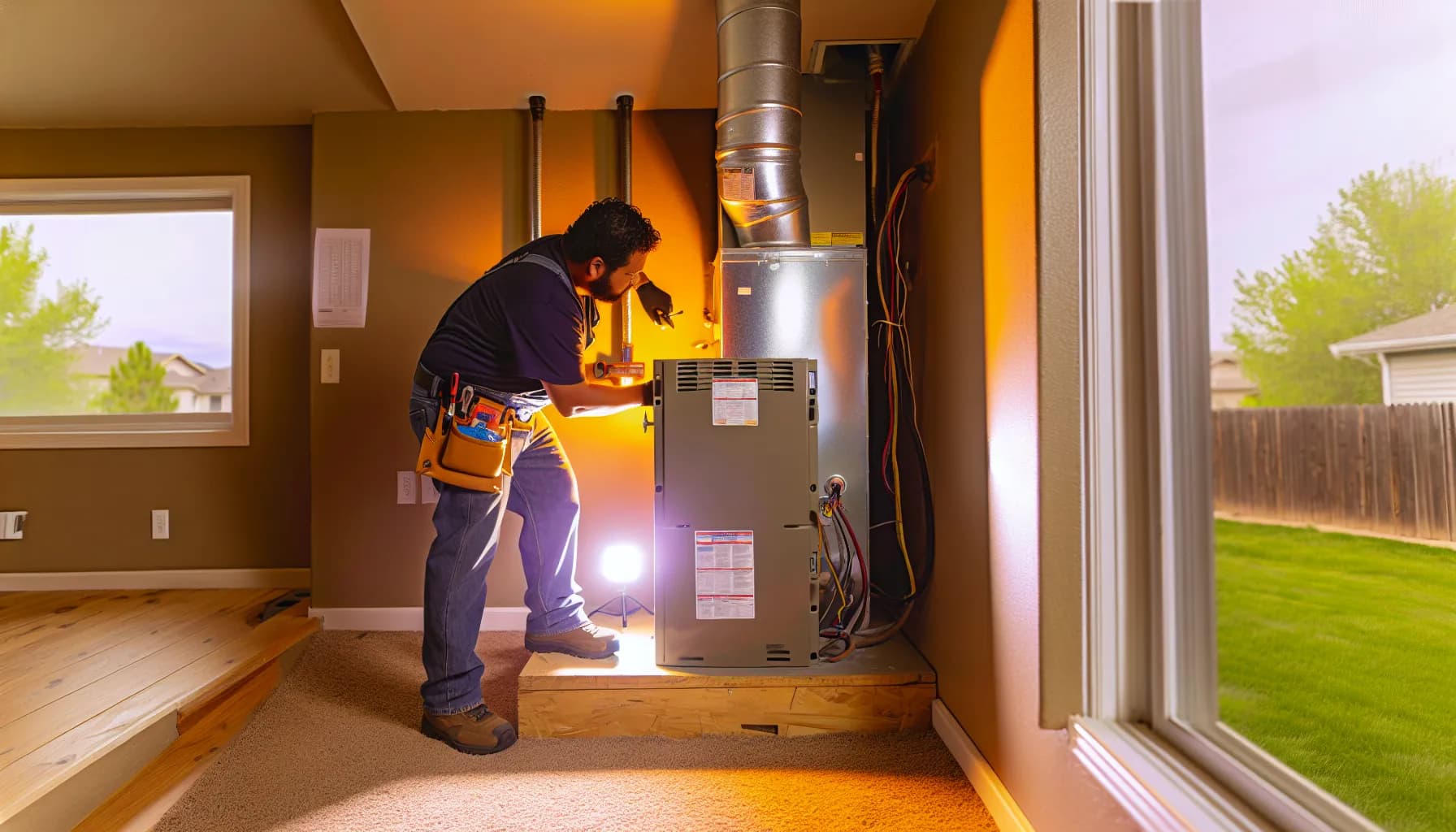
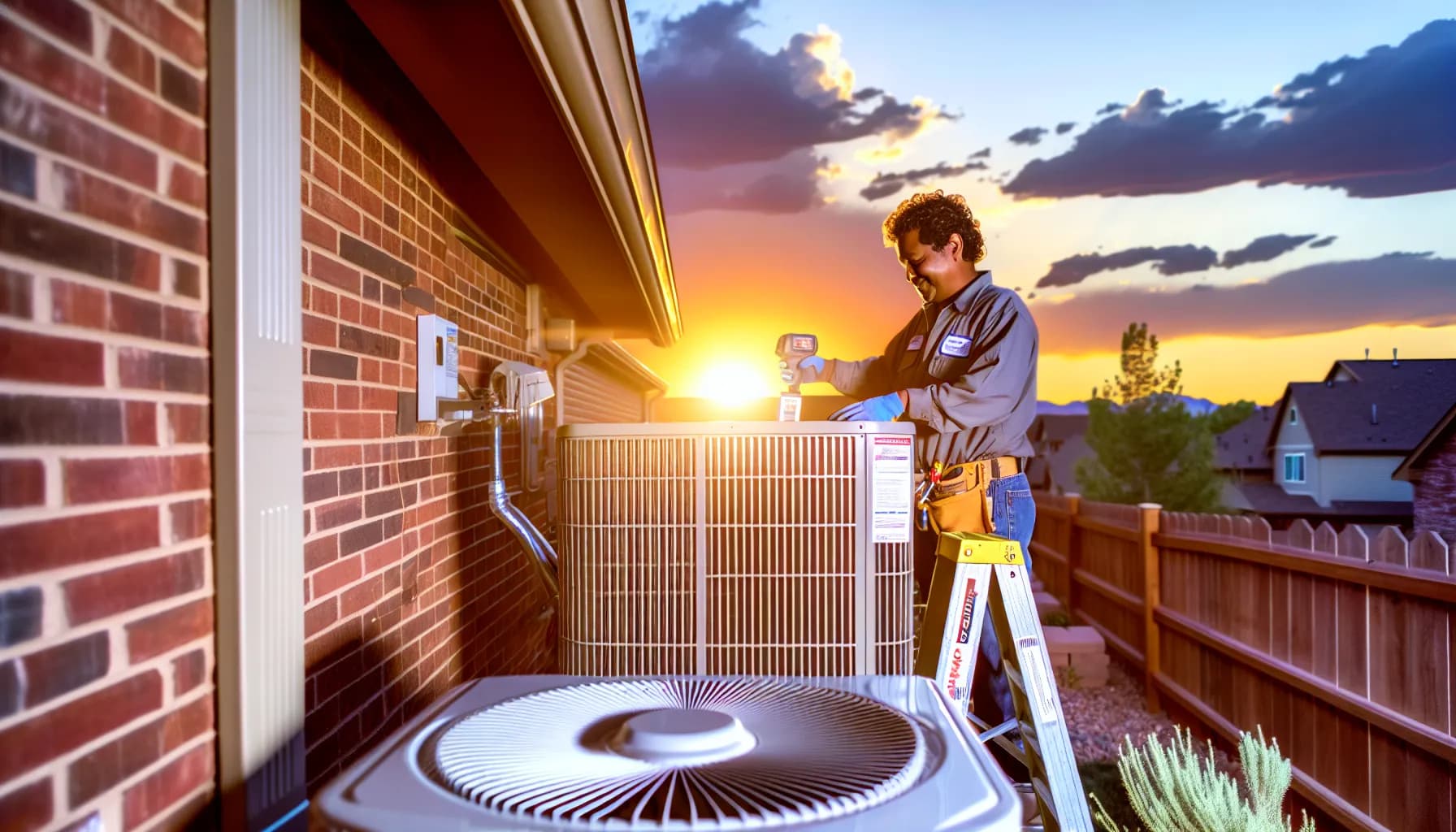
Routine maintenance is key to keeping your HVAC system running efficiently through Colorado’s tough seasons. Schedule professional tune-ups at least twice a year: once before the cooling season and once before heating season. This includes cleaning coils, checking refrigerant levels, inspecting belts, and replacing air filters. A well-maintained system lasts longer and is less likely to break down during a winter storm or summer heatwave. In Highlands Ranch, one family avoided a costly furnace replacement by catching a failing blower motor during a routine inspection.
Choosing a Local HVAC Contractor
Colorado’s climate and altitude require specialized knowledge. Choose a licensed, insured contractor familiar with the area’s specific needs. Check for certifications, read local reviews, and ask for references. Alloy Heating and Cooling has years of experience serving Colorado’s Front Range, from Thornton to Elizabeth. We understand which brands and models work best in our region and can help you navigate rebates and incentives.
Energy Rebates and Incentives Available in Colorado
State and Federal Programs
Upgrading to an energy-efficient HVAC system can qualify you for a range of rebates and incentives. The Colorado Energy Office offers programs for homeowners who install high-efficiency heat pumps, furnaces, and air conditioners. Federal rebates, such as those under the Inflation Reduction Act, provide significant tax credits for qualifying systems installed in 2024. For example, a Centennial homeowner who replaced an old AC unit with a new ENERGY STAR® certified heat pump received a $2,000 federal tax credit.
Utility Company Offers
Many local utilities, including Xcel Energy and Black Hills Energy, offer rebates for upgrading to efficient equipment. These programs often cover a portion of the installation cost for heat pumps, smart thermostats, and high-efficiency furnaces. A small business in Arvada participated in Xcel’s rebate program and was able to offset nearly 30% of the cost of their new zoned HVAC system.
How to Qualify and Apply
To qualify for most rebates, you’ll need to choose certified products and work with a licensed contractor. Keep all receipts and documentation, and submit applications promptly. At Alloy Heating and Cooling, we help clients complete the paperwork and ensure all requirements are met. Check the latest eligibility guidelines on your utility or government website, as programs can change year to year.
In summary, navigating Colorado’s changing climate in 2024 requires an HVAC system that is efficient, adaptable, and expertly installed. By focusing on energy efficiency, humidity control, and smart technologies, and by working with a trusted local contractor, you can enjoy comfortable, healthy indoor air throughout the year. Contact Alloy Heating and Cooling to learn more about the best HVAC solutions for your home or business.
Frequently Asked Questions
What is the best HVAC system for Colorado’s variable climate?
Heat pump systems with high SEER ratings and hybrid options are often best for Colorado’s temperature swings, offering both efficient heating and cooling.
Are heat pumps effective in Colorado’s cold winters?
Modern cold-climate heat pumps are designed to operate efficiently even during Colorado’s low winter temperatures, making them a strong option for homeowners.
How does altitude impact HVAC system performance in Colorado?
High altitude can reduce the efficiency of HVAC systems. It’s important to choose equipment rated for altitude, and ensure proper installation and sizing.
What energy rebates are available for upgrading my HVAC system in Colorado?
Colorado residents can access state, federal, and utility rebates for installing energy-efficient HVAC systems. Check with your utility and local government for current offers.
How often should I service my HVAC system in Colorado?
It’s recommended to have your HVAC system serviced at least twice a year—before summer and winter—to keep it running efficiently in Colorado’s changing climate.

Alloy HVAC Team
HVAC experts with years of experience in the industry. We share tips, insights, and the latest trends in heating, ventilation, and air conditioning to help you maintain optimal comfort in your home or business.