Why Is My Central Heating Not Working? Common Causes & Fixes for Colorado Homes
Why Is My Central Heating Not Working? Common Causes & Fixes for Colorado Homes
When Colorado’s winter chills set in, a reliable central heating system is essential for comfort and safety. But what happens when you wake up to a freezing home, and your central heat refuses to turn on? Whether you are a homeowner in Highlands Ranch or a small business owner in Boulder, central heating problems can disrupt your life and even pose health risks. At Alloy Heating and Cooling, we have helped countless Colorado residents troubleshoot, repair, and upgrade their heating systems. This comprehensive guide will help you understand common causes of central heating failures, quick fixes you can try, when to call a professional, and how to keep your system running efficiently all winter long.
Understanding Central Heating Systems in Colorado
Types of Central Heating Used in Colorado Homes
Colorado’s diverse climate and housing stock mean there are several types of central heating systems found across the state. The most common include:
- Forced Air Furnaces: Powered by natural gas, propane, or electricity, these systems use a furnace to heat air and a blower to distribute it through ductwork.
- Boiler Systems: These heat water and distribute steam or hot water through radiators or in-floor piping.
- Heat Pumps: Increasingly popular in the Denver area, heat pumps transfer heat from outdoor air or the ground into your home, working efficiently in milder winters.
Each type of system has its own maintenance needs and potential problem spots. For example, forced air systems are prone to ductwork and filter issues, while boilers may face pilot light or circulation problems.
How Central Heating Systems Operate
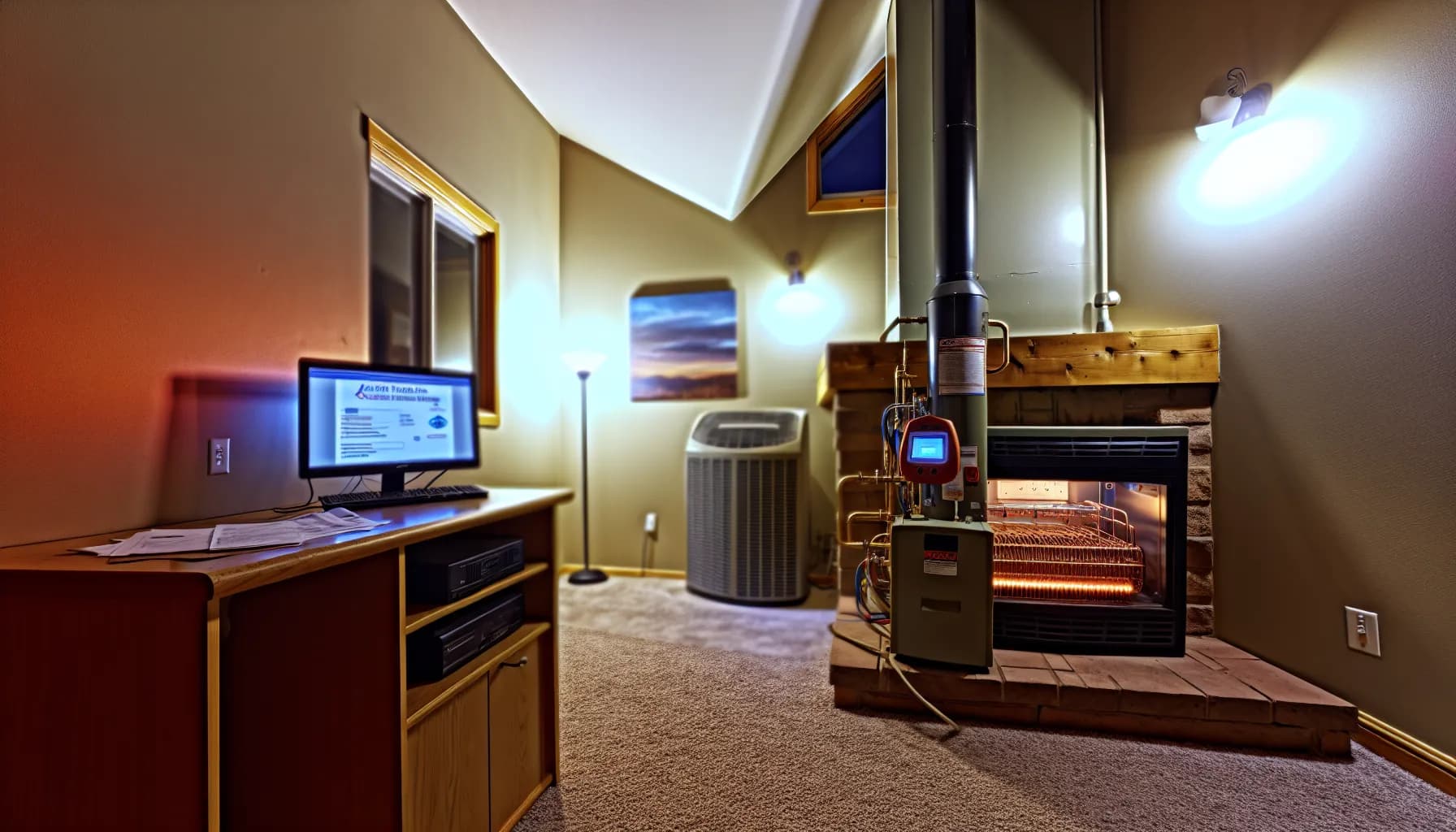
Regardless of the type, all central heating systems share a basic operational sequence. The thermostat senses room temperature and signals the heating system to turn on when heat is needed. The heat source (furnace, boiler, or heat pump) generates warmth, which is then distributed throughout the home via ducts, radiators, or pipes. If any part of this process fails, be it the thermostat, the heat source, or the distribution system, the result is a cold house.
Real-world example: In Parker, one homeowner’s furnace stopped working on a below-freezing morning. After a quick inspection, it turned out the thermostat batteries had died, preventing the furnace from ever receiving the signal to turn on!
Common Reasons Your Central Heating Is Not Working
Thermostat Issues
The thermostat acts as the brain of your heating system. If it is malfunctioning, your furnace or boiler may not receive the correct signals to start or stop. Common thermostat problems include:
- Dead or weak batteries (especially in digital thermostats)
- Incorrect settings (set to cooling or at too low a temperature)
- Loose wiring or poor connections
- Old or faulty thermostat units
Scenario: A Centennial homeowner reported no heat despite setting the thermostat to 72°F. The culprit? The system was set to “fan only” instead of “heat.” Sometimes, a quick setting adjustment is all it takes.
Power Supply or Circuit Breaker Problems
If your heating system is not receiving power, it will not run. Tripped breakers, blown fuses, or loose electrical connections are frequent causes. In older homes in Lakewood or Englewood, outdated wiring can also be a factor.
Tip: Always check your circuit breaker panel and reset any tripped switches that control your furnace or boiler.
Dirty or Clogged Filters
Air filters keep dust and debris out of your system and the air you breathe. In Colorado’s dry, dusty environment, filters can clog quickly. A clogged filter restricts airflow, reduces efficiency, and can even cause the furnace to overheat and shut down as a safety precaution.
Homeowner story: In Aurora, a family’s furnace kept cycling off after a few minutes. Replacing a filter that had not been changed in six months restored normal operation and improved air quality immediately.
Pilot Light or Ignition System Failures
Gas furnaces and boilers rely on a pilot light or electronic ignition to start the heating process. If the pilot goes out or the ignitor fails, the system cannot produce heat.
- Drafts, dirty sensors, or thermocouple issues can cause the pilot to go out.
- Electronic ignitors can fail due to age or electrical problems.
Example: A Littleton resident’s boiler would not fire up. A faulty thermocouple was preventing the pilot light from staying lit, and replacing it solved the problem.
Blower Motor or Fan Issues
The blower motor circulates warm air throughout your home. If it fails or becomes obstructed, you may hear the furnace running but feel little or no airflow from your vents.
Symptoms include strange noises, weak airflow, or overheating. Blower problems often require professional repair or replacement.
Ductwork Leaks or Blockages
Leaky or blocked ducts are common in older Colorado homes. Holes, disconnected sections, or crushed ducts can let heated air escape into attics or crawl spaces instead of living areas.
Scenario: In Golden, a homeowner noticed one room was always cold. An inspection revealed a disconnected duct joint in the crawl space, wasting heat and energy.
Quick Fixes for Central Heating Problems
Resetting the Thermostat
If your heating system will not start, try resetting the thermostat. Set the temperature a few degrees higher than the current room temperature, switch the system off and back on, or replace the batteries. Verify you are in “heat” mode, not “cool” or “off.”
Changing Air Filters
Inspect your air filter. If it looks dirty or clogged, replace it with a new one. This simple step can restore airflow and prevent overheating or shutdowns.
Checking Circuit Breakers
Head to your breaker panel and look for any switches that are off or in the “tripped” position. Flip them back to “on.” If a breaker trips repeatedly, there may be a deeper electrical issue that requires a technician.
Relighting the Pilot Light
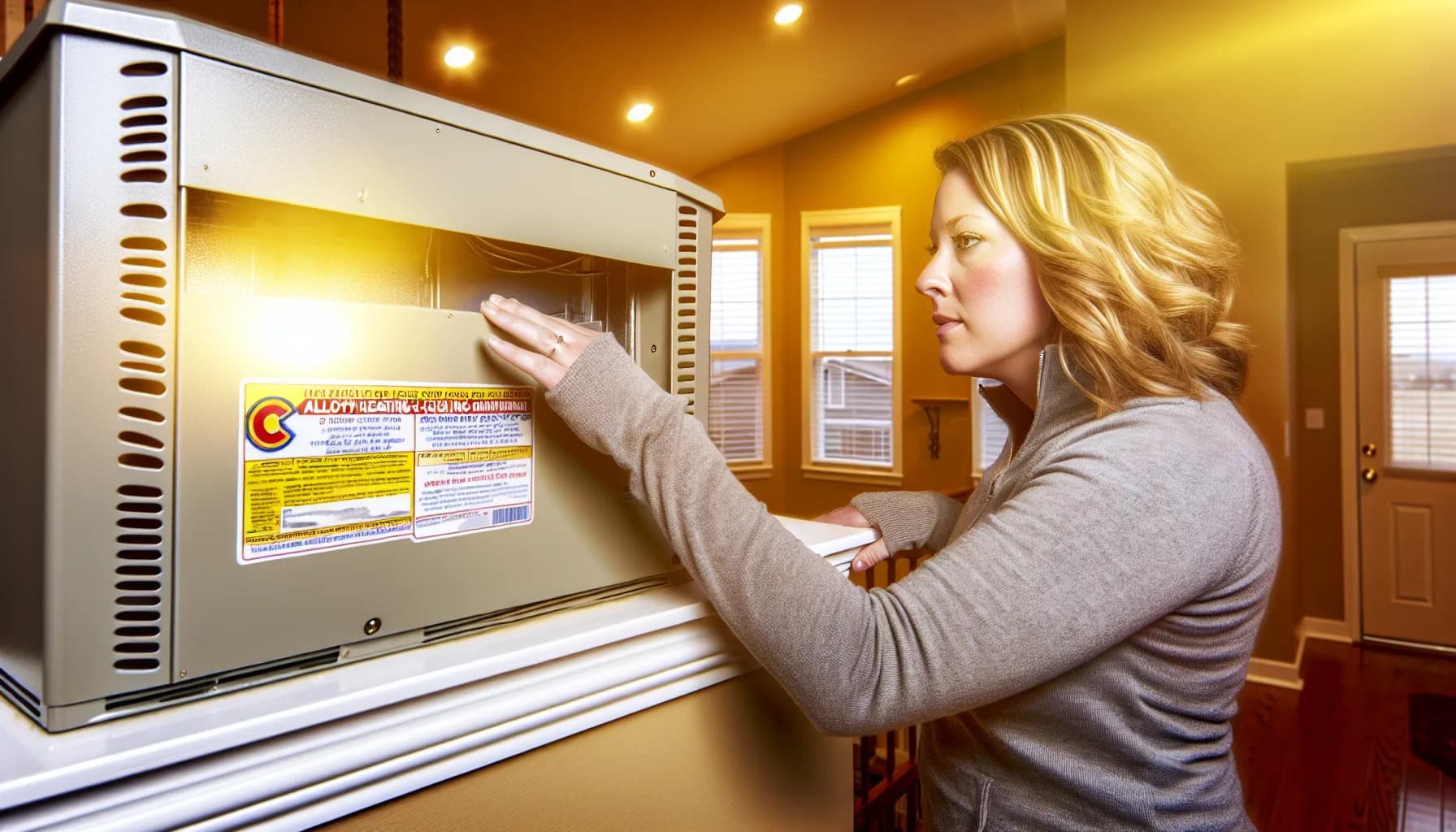
For older gas furnaces and boilers, check if the pilot light is out. Follow the manufacturer’s instructions to safely relight it. If it will not stay lit, do not force it, this could signal a more serious problem like a faulty thermocouple or gas valve.
Inspecting Vents and Ducts
Walk through your home and make sure all supply and return vents are open and unblocked by furniture, rugs, or debris. If you suspect ductwork issues (cold spots, whistling noises), a professional duct inspection or cleaning may be needed.
When to Call a Professional HVAC Technician
Signs You Need Expert Help
- Repeated system failures or frequent cycling on and off
- Unusual noises (grinding, banging, squealing)
- Burning smells, smoke, or visible damage
- No heat after trying basic troubleshooting steps
- Gas leaks or carbon monoxide alarms
Real-world scenario: In Highlands Ranch, a homeowner noticed a burning smell when the furnace turned on. A technician found a failing blower motor that could have led to a fire if not addressed quickly.
Choosing the Right Heating Repair Service in Colorado
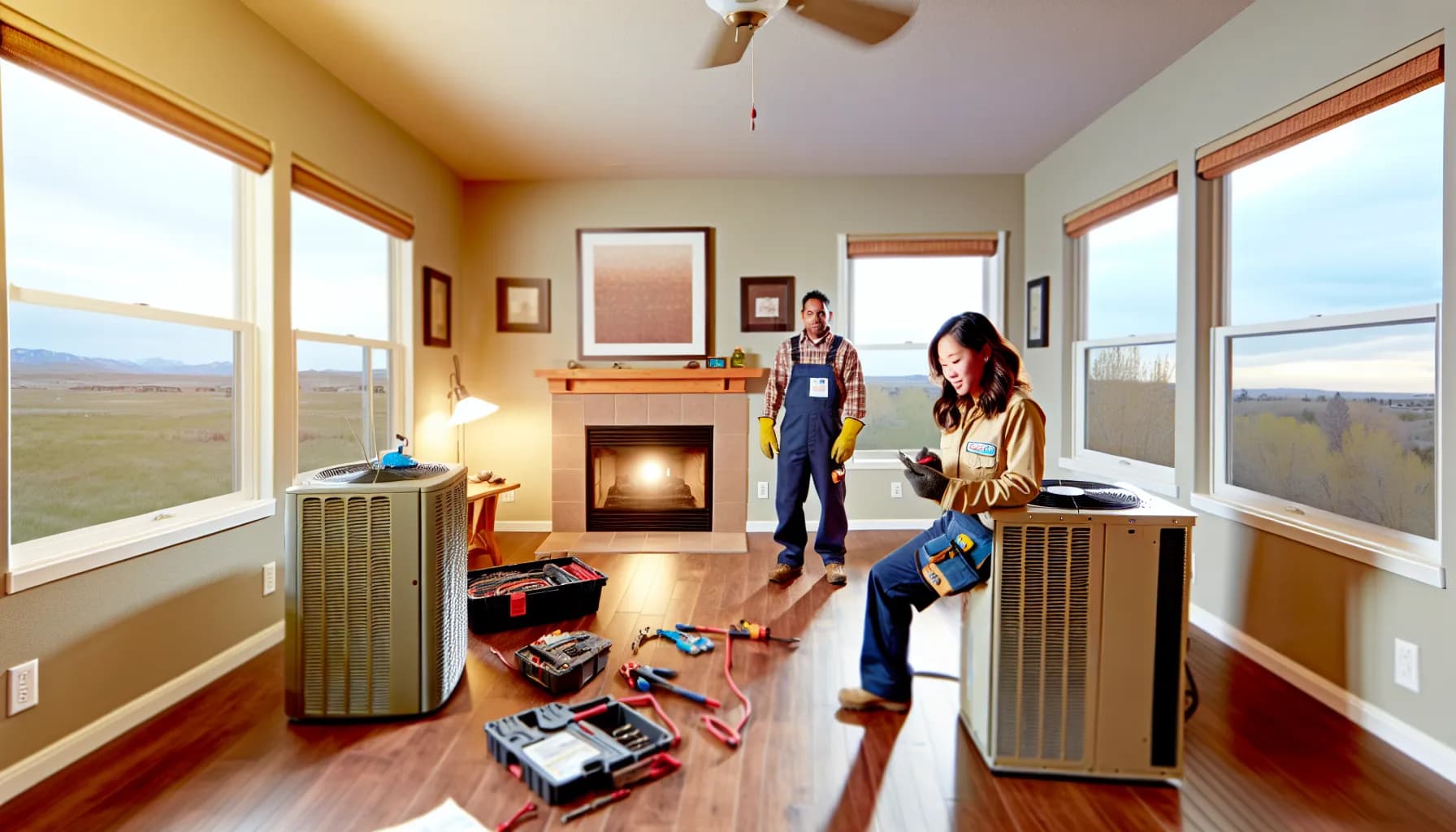
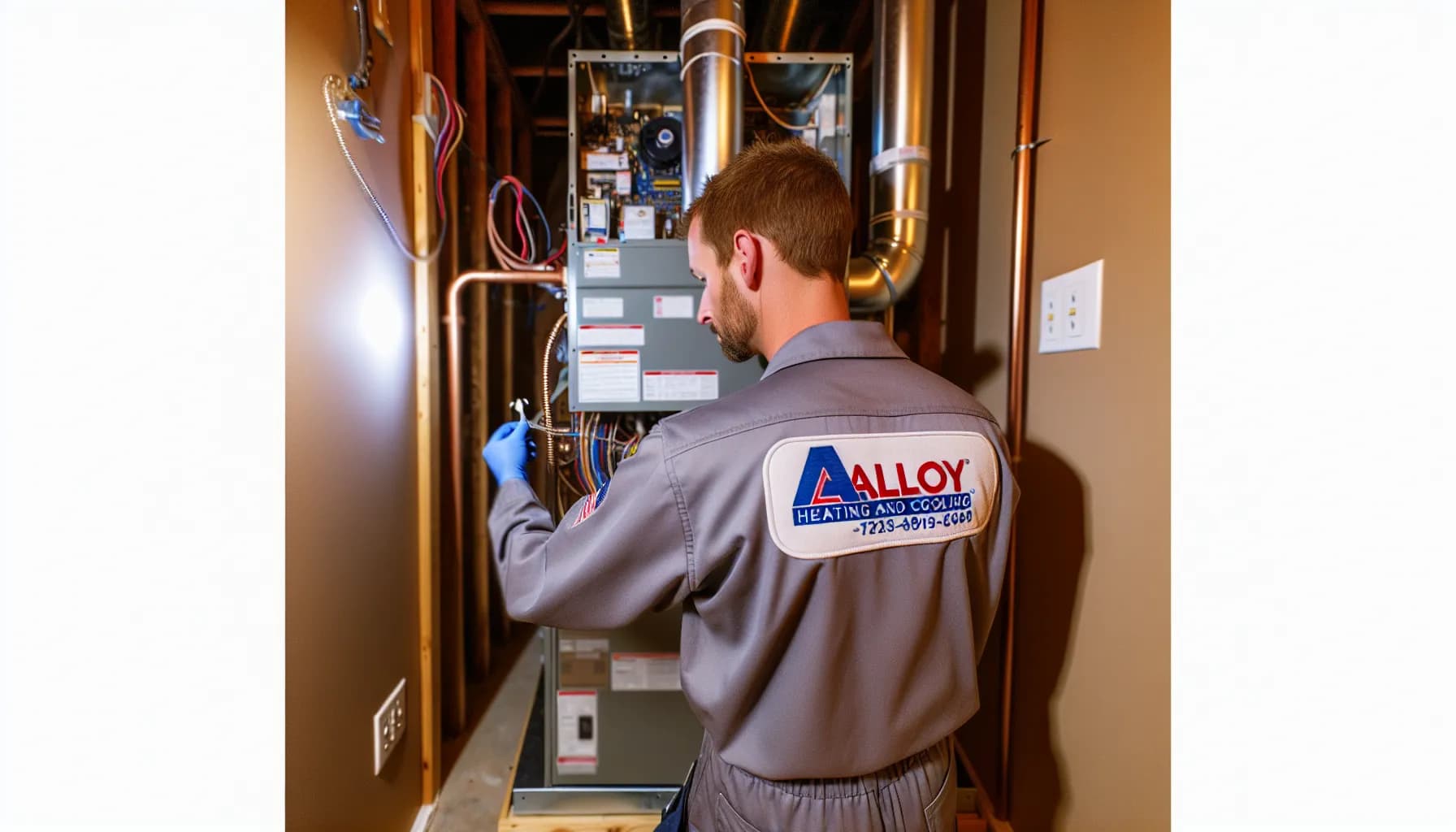
Look for licensed, insured HVAC companies with experience in your specific type of heating system. Ask about emergency service, warranties, and customer reviews. Alloy Heating and Cooling serves Greenwood Village, Englewood, Littleton, Denver, and the surrounding areas with prompt, professional repairs and transparent pricing.
Preventative Maintenance Tips for Central Heating
Seasonal Maintenance Checklist
- Change or clean air filters every 1-3 months
- Inspect and clean vents and registers throughout your home
- Test your thermostat before cold weather arrives
- Check for water leaks around boilers and pipes
- Listen for unusual noises when the system is running
- Schedule annual professional tune-ups to check safety controls, gas connections, and system efficiency
Pro tip: Alloy Heating and Cooling offers customizable maintenance plans to keep your system running smoothly year-round, catching small issues before they become expensive breakdowns.
Energy Efficiency Tips for Colorado Winters
- Seal drafty windows and doors to keep warm air inside
- Use programmable thermostats to lower heat when you’re away or asleep
- Insulate attics, crawl spaces, and ductwork to prevent heat loss
- Keep vents clear of furniture and drapes
Small businesses in downtown Denver have seen utility bills drop by up to 20% after simple insulation upgrades and thermostat programming!
Conclusion
If your central heating stops working, do not panic. Many common issues have simple fixes you can try yourself, like checking the thermostat, changing filters, or resetting circuit breakers. However, when in doubt, or if you suspect a gas or electrical issue, always call a professional. Regular maintenance is your best defense against breakdowns and high energy bills. Alloy Heating and Cooling proudly serves Colorado’s Front Range, including Denver, Boulder, and surrounding communities, with expert HVAC repair, installation, and maintenance. Stay warm, stay safe, and contact us any time for fast, reliable heating solutions.
Frequently Asked Questions
Why won’t my central heating turn on even though the thermostat is set correctly?
This could be due to dead thermostat batteries, wiring issues, or a malfunctioning thermostat. Check batteries, ensure the settings are correct, and consider replacing the thermostat if it’s old or unresponsive.
What should I do if my furnace is making strange noises?
Unusual noises may indicate loose parts, motor issues, or debris in the blower. Turn off the system and inspect for obvious problems. If the noise persists, call a professional to prevent further damage.
How often should central heating filters be changed in Colorado homes?
Filters should typically be changed every 1-3 months, especially during heavy use in winter. Colorado’s dry, dusty climate may require more frequent changes to maintain efficiency.
Can clogged ducts cause central heating to stop working?
Yes, blocked or leaking ducts reduce airflow and system efficiency, sometimes causing the heating to shut down or fail to heat your home evenly.
Is it safe to troubleshoot central heating problems myself?
You can safely check the thermostat, replace filters, and inspect breakers. For gas, electrical, or complex mechanical issues, always call a licensed HVAC technician to avoid safety risks.

Alloy HVAC Team
HVAC experts with years of experience in the industry. We share tips, insights, and the latest trends in heating, ventilation, and air conditioning to help you maintain optimal comfort in your home or business.