Why Is My Central Heating Not Working? Troubleshooting Common Issues in Colorado Homes
Why Is My Central Heating Not Working? Troubleshooting Common Issues in Colorado Homes
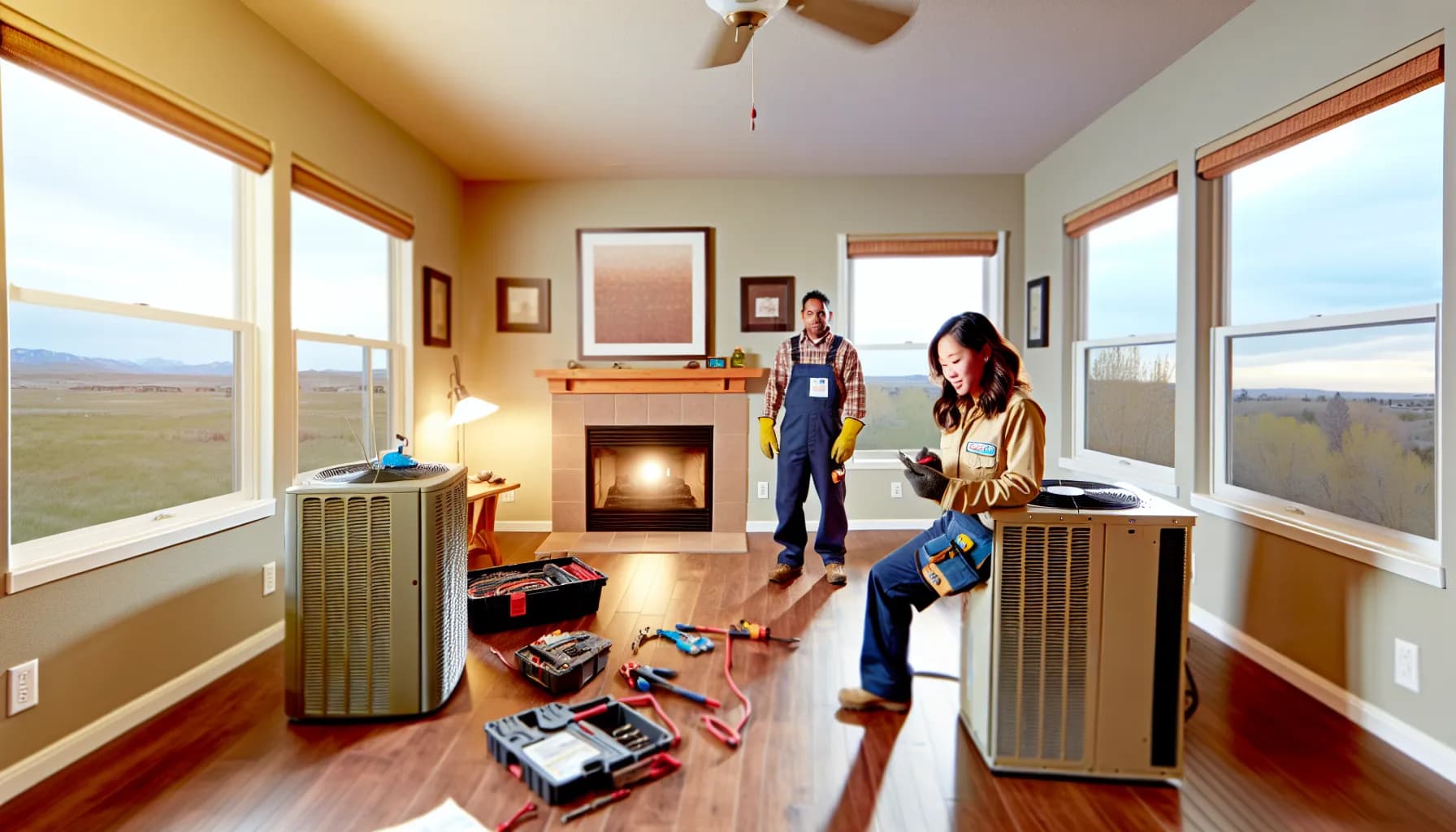
Colorado’s chilly winters make a reliable central heating system essential for comfort and safety. When your furnace or central heating system suddenly stops working, it can be stressful and inconvenient, especially during a cold snap in Greenwood Village, Highlands Ranch, or any of the surrounding communities. At Alloy Heating and Cooling, we help homeowners and small businesses throughout the Denver Metro area quickly resolve these issues. In this guide, we’ll cover common reasons your central heating isn’t working, troubleshooting steps you can take, and when to call a professional for help.
Understanding the Basics of Central Heating Systems
How Central Heating Works
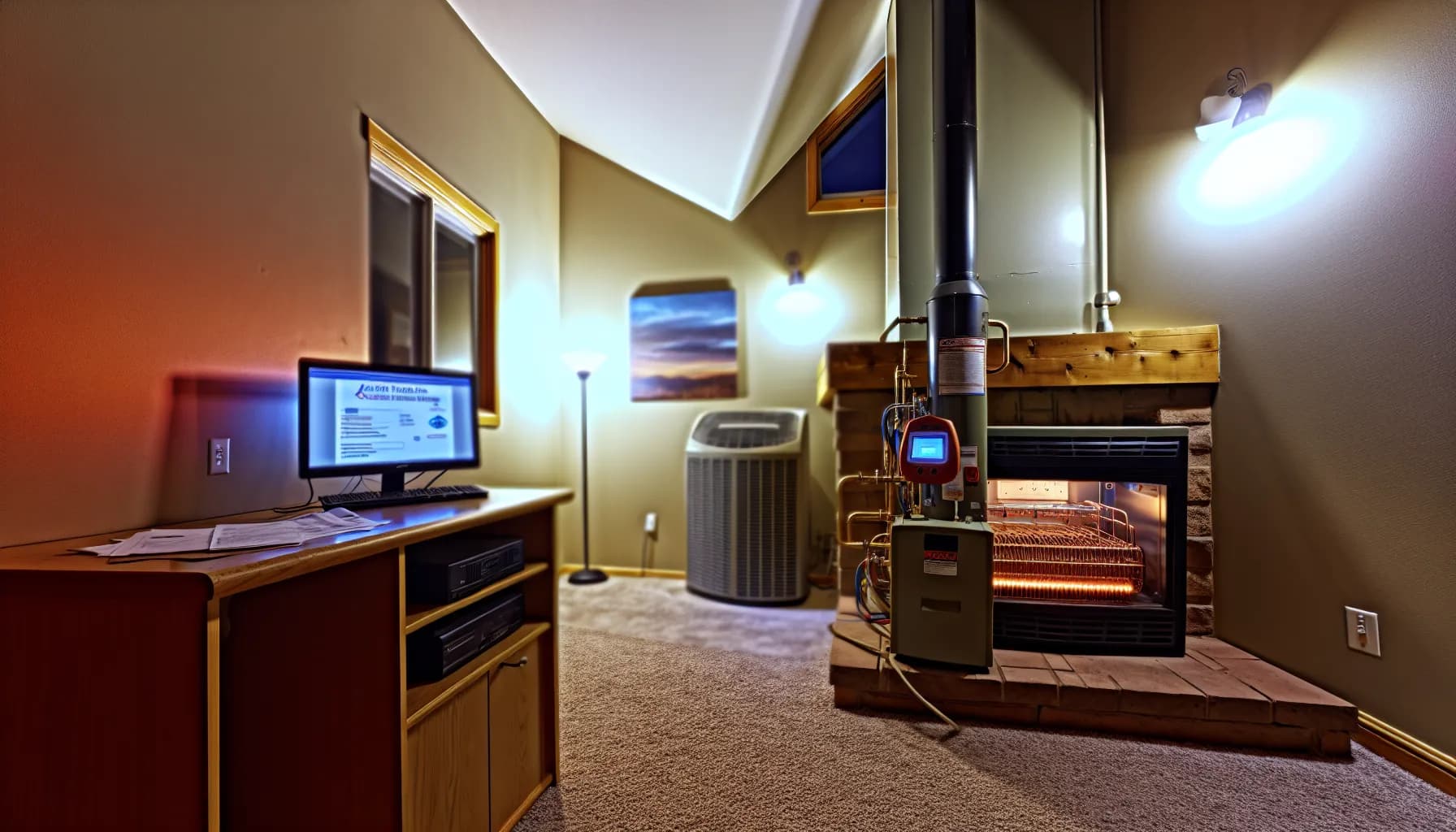
Central heating systems distribute warmth throughout your home using a single heat source, typically a furnace or boiler. The most common setup in Colorado homes is a forced-air furnace powered by natural gas or electricity. The furnace heats air, which a blower fan then moves through ductwork to each room. Some homes use boilers that heat water and circulate it through radiators or in-floor pipes. Understanding how your system operates is key to diagnosing issues.
Types of Central Heating Systems in Colorado Homes
- Gas Furnaces: The most popular in Colorado due to efficiency and reliability, especially in areas like Littleton or Parker with cold winters.
- Electric Furnaces: Common in newer homes or areas without natural gas lines, such as some neighborhoods in Castle Rock or Elizabeth.
- Boilers: Found in older Denver and Boulder homes, boilers heat water for radiators or radiant floor systems.
- Heat Pumps: More common in milder climates, but some Colorado homes use dual-fuel heat pumps for year-round efficiency.
Common Reasons Your Central Heating Is Not Working
Thermostat Issues
The thermostat acts as the brain of your HVAC system. If it fails to communicate with your furnace, your heat may not turn on at all. Problems can include dead batteries, incorrect settings, or faulty wiring. For instance, a Centennial homeowner once called us because their system was set to “cool” instead of “heat” after a power outage reset their smart thermostat.
Power Supply Problems
Your furnace needs electricity to run the blower, ignition system, and controls. Tripped circuit breakers, blown fuses, or a disconnected switch can cut power to the unit. In one case in Highlands Ranch, a homeowner’s furnace wouldn’t start because the emergency shut-off switch in the utility room was accidentally flipped off during cleaning.
Faulty Pilot Light or Ignition System
Older gas furnaces use a standing pilot light, while newer models rely on electronic ignition. If the pilot goes out or the igniter fails, the furnace can’t heat your home. For example, in Arvada, a worn-out igniter left a family without heat until it was replaced.
Clogged Air Filters
A dirty or clogged air filter restricts airflow, causing the furnace to overheat and shut off as a safety measure. This is one of the most common issues we see in Colorado homes, especially during the winter when the system runs more often. In Aurora, a homeowner noticed weak airflow and inconsistent heating, which was resolved by replacing a heavily clogged filter.
Blower Motor Malfunctions
The blower motor circulates warm air through your ducts. If it fails or the belt breaks, you may hear unusual noises or feel little air coming from your vents. In Lakewood, a faulty blower capacitor left a homeowner’s system running but without moving any warm air, a quick diagnostic check identified the issue.
Troubleshooting Steps for Colorado Homeowners
Checking Your Thermostat Settings
Start by making sure your thermostat is set to “heat” and the temperature is higher than your current room temperature. Replace batteries if needed, and ensure programmable thermostats are correctly scheduled. If you have a smart thermostat, verify it’s connected to Wi-Fi and functioning properly.
Inspecting the Furnace and Circuit Breaker
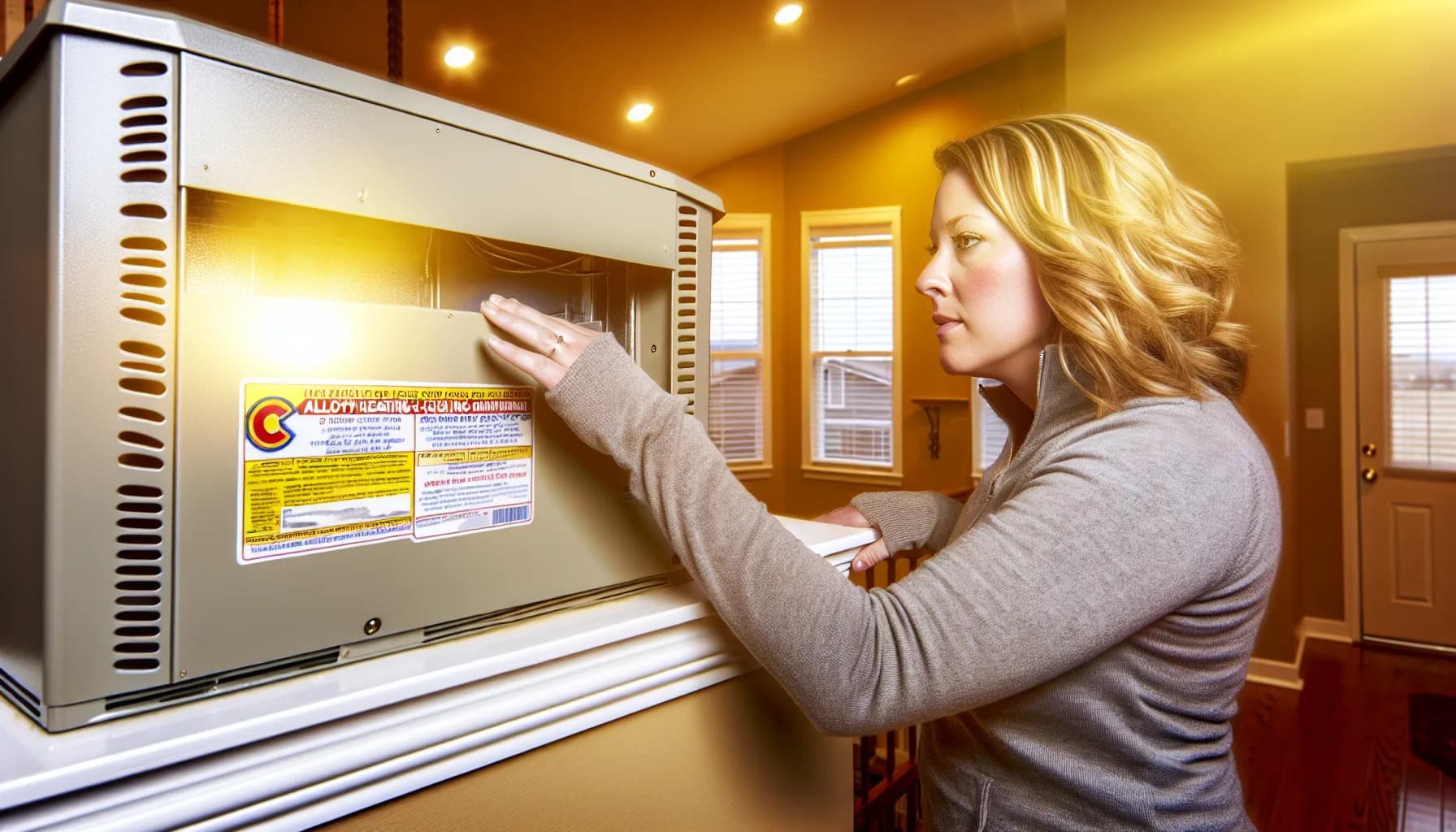
Check that the furnace power switch is on, and look at your home’s electrical panel for any tripped breakers. Resetting a breaker or flipping the furnace switch back on can often restore power. Always use caution when working with electrical panels.
Examining Air Vents and Filters
Make sure all supply and return vents are open and unblocked by furniture or curtains. Remove and inspect the air filter, if it looks dirty or clogged, replace it with a fresh one. In Colorado’s dusty climate, filters can clog quickly, especially if you have pets or recent construction dust in your home.
Resetting the System Safely
If your furnace has a reset button (typically red and located on the blower motor housing), press it once and wait a few minutes. If the furnace doesn’t restart or the reset button trips repeatedly, there may be a deeper issue requiring professional help.
When to Call a Professional Heating Technician
Signs of Serious Heating System Problems
- No heat after performing basic troubleshooting steps
- Unusual noises like banging, squealing, or grinding from the furnace
- Frequent cycling on and off
- The smell of gas or burning
- Visible leaks or puddles around the unit
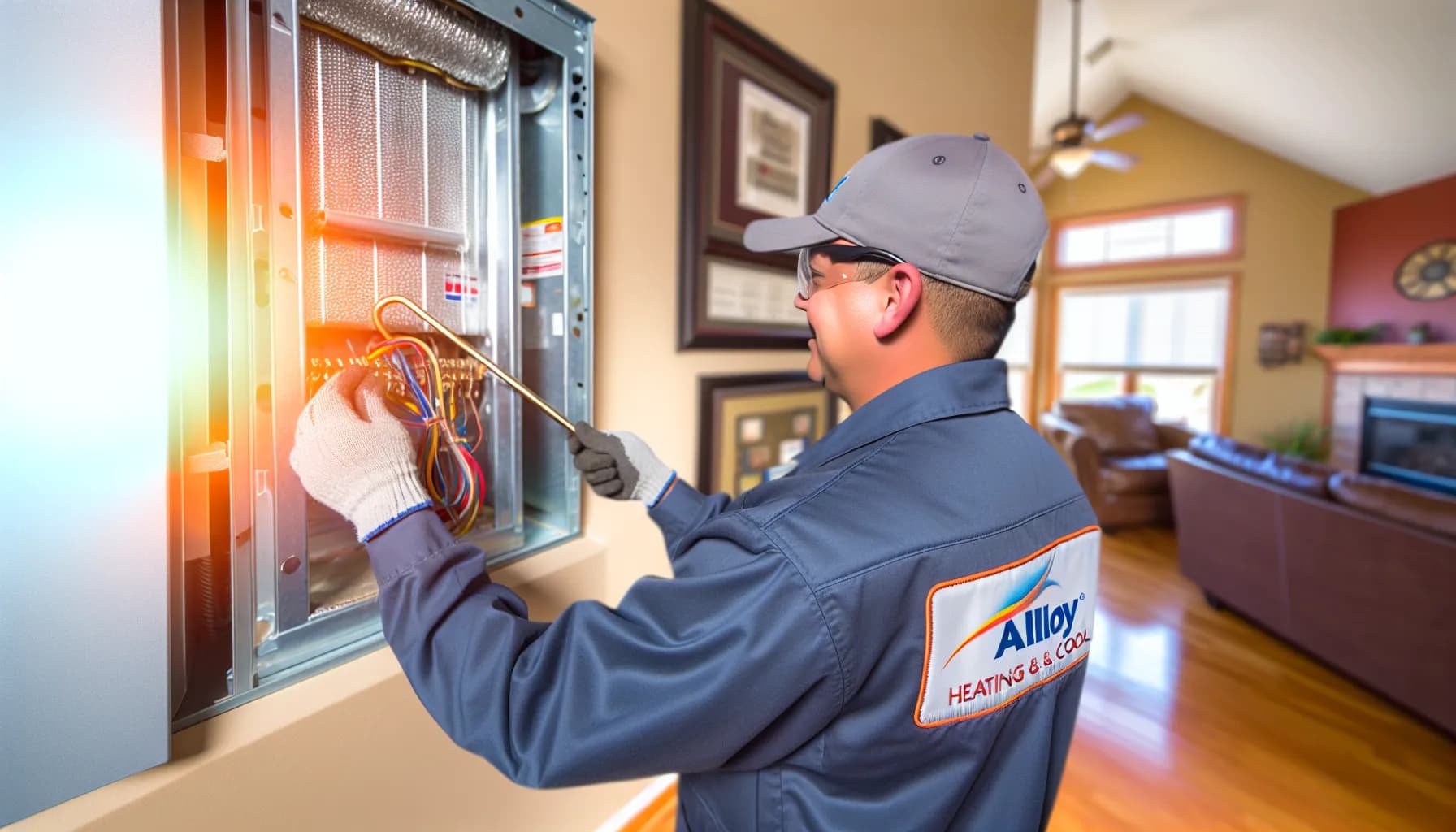
In these cases, it’s safest to turn off your system and call Alloy Heating and Cooling. For example, in Boulder, a homeowner noticed a faint gas smell and called us immediately, we found and repaired a cracked heat exchanger before it became dangerous.
Benefits of Regular Maintenance in Colorado
Regular maintenance extends the lifespan of your heating system and prevents unexpected breakdowns. Colorado’s climate puts extra stress on furnaces, so annual inspections and tune-ups are crucial. Routine service includes cleaning burners, checking safety controls, lubricating moving parts, and testing system performance. One Greenwood Village client avoided a costly mid-winter repair because our technician spotted a worn belt during a fall maintenance visit.
Preventing Central Heating Problems in Colorado’s Climate
Seasonal Maintenance Tips
- Replace air filters every 1-3 months, or more often with pets or high dust
- Clear debris from around the furnace and vents
- Test your thermostat before cold weather arrives
- Schedule annual professional maintenance
Preparing your system before winter ensures you stay comfortable and safe, even during Colorado’s sudden temperature drops.
Upgrading Your Heating System for Efficiency
If your furnace is over 15 years old, upgrading to a modern high-efficiency model can save you on energy bills and reduce the risk of breakdowns. Many Colorado homeowners benefit from programmable thermostats, variable-speed blowers, and sealed ductwork. Alloy Heating and Cooling can help you select the right system for your home’s size and unique needs, whether you’re in Evergreen, Thornton, or Denver.
By understanding your central heating system and following these troubleshooting tips, you can often resolve minor issues yourself. For complex problems or regular maintenance, trust the experienced team at Alloy Heating and Cooling. We serve the entire Denver Metro and Front Range area, delivering reliable heating solutions for homes and businesses alike.
Frequently Asked Questions
Why isn’t my central heating turning on at all?
Common causes include thermostat malfunctions, tripped circuit breakers, or a lack of power to the furnace. Double-check your thermostat settings, ensure the furnace switch is on, and inspect your circuit breaker.
Why is my heating system blowing cold air?
This could be due to a dirty air filter, pilot light issues, or problems with the ignition system. Check for clogged filters or an extinguished pilot light first.
How often should I replace my central heating air filter?
In Colorado, it’s recommended to check and replace your air filter every 1-3 months, especially during periods of heavy use or if you have pets.
Can I fix central heating problems myself?
You can perform basic checks like adjusting the thermostat or changing filters. For electrical issues, gas leaks, or persistent problems, it’s best to contact a licensed heating technician.
How does Colorado’s climate affect central heating systems?
Colorado’s cold winters require heating systems to work harder, which can lead to increased wear. Regular maintenance and prompt repairs are essential for reliable performance.

Alloy HVAC Team
HVAC experts with years of experience in the industry. We share tips, insights, and the latest trends in heating, ventilation, and air conditioning to help you maintain optimal comfort in your home or business.