Why Is My Central Heater Not Working? Top Troubleshooting Tips for Colorado Homeowners
Why Is My Central Heater Not Working? Top Troubleshooting Tips for Colorado Homeowners
When cold fronts blow through Colorado, having a reliable central heating system is essential for comfort and safety. If your heater suddenly stops working, it can be stressful and inconvenient, especially during our unpredictable winter weather. At Alloy Heating and Cooling, we know how important it is to restore warmth to your home or business quickly. This comprehensive guide will help you understand common reasons for central heating failures, practical troubleshooting steps, and unique factors affecting Colorado households. We’ll also share real-world examples from local homeowners and provide clear tips to help you decide when it’s time to call a professional.
Common Reasons Your Central Heat Is Not Working
Central heating systems are complex, so a variety of issues can cause them to stop working. Here are the most frequent culprits we see in homes from Littleton to Boulder and everywhere in between.
Thermostat Issues and Incorrect Settings
Sometimes the fix is simple. Many homeowners overlook the thermostat as a source of trouble. It may be set incorrectly, the batteries might be dead, or the thermostat itself could be malfunctioning. For example, a Greenwood Village homeowner recently called us thinking their furnace was broken, but the thermostat was set to “cool” instead of “heat.”
Tripped Circuit Breakers or Blown Fuses
Furnaces and heat pumps require power to operate. If a circuit breaker trips or a fuse blows, your heater won’t turn on. This is a common issue, especially in older homes in areas like Denver and Wheat Ridge, where electrical panels may be outdated or overloaded.
Clogged or Dirty Air Filters
A dirty filter can restrict airflow, causing your system to overheat and shut down as a safety precaution. We worked with a Highlands Ranch family whose central heater kept turning off. The issue was a clogged filter that hadn’t been changed in months. Regular filter replacement is crucial, particularly during Colorado’s dusty, dry winters.
Pilot Light or Ignition Problems
If you have a gas furnace, the pilot light or electronic ignition system must function correctly. A blown-out pilot or failed ignition can prevent your heater from producing warm air. We often see this issue pop up in older furnaces in Castle Rock and Aurora, especially when cold snaps hit.
Blocked Vents or Air Ducts
Obstructed vents or ducts can disrupt airflow and prevent heat from circulating. This can be caused by furniture, closed registers, or even debris in the ductwork. A business owner in Centennial called us after noticing cold spots throughout their office, several supply vents were blocked by newly installed shelving.
Step-by-Step Troubleshooting for Central Heating Problems
If your central heater is not working, you can try a few steps before calling in a professional. Here’s a systematic approach to help diagnose and potentially fix the issue:
Check the Thermostat and Power Supply
- Make sure your thermostat is set to “heat” and the temperature is set higher than the current room temperature.
- If your thermostat uses batteries, replace them.
- Check the circuit breaker panel. If the breaker for your furnace or heat pump has tripped, reset it.
- For smart thermostats, ensure they are connected to Wi-Fi and functioning normally.
Real-World Example: In Parker, a homeowner reported no heat after a power outage. Their smart thermostat had lost its Wi-Fi connection and settings, which prevented the furnace from starting. Resetting the thermostat solved the problem.
Inspect and Replace Air Filters
- Locate your system’s air filter. It’s usually near the blower compartment or in a return air vent.
- Remove the filter and check for dirt, dust, or pet hair.
- Replace it with a new filter if it looks dirty or clogged. Regular replacement improves airflow and indoor air quality.
Real-World Example: In Lakewood, a family noticed their furnace shutting down frequently. After replacing a heavily clogged filter, the furnace operated smoothly again.
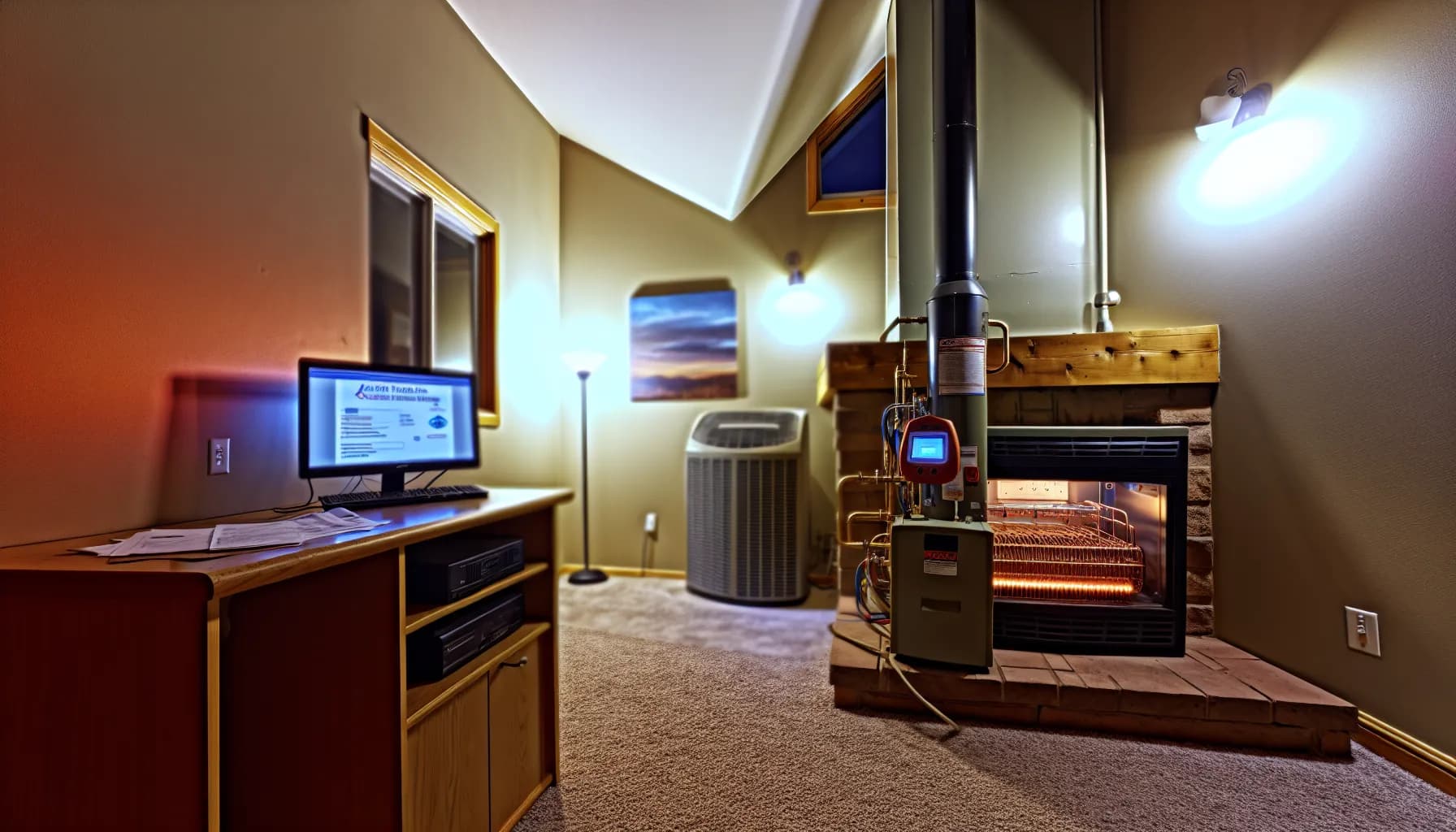
Examine the Furnace for Error Codes
- Many modern furnaces have a small window where you can see diagnostic lights or error codes.
- Refer to your furnace manual to interpret these codes, which can point to specific problems such as ignition failure, pressure switch issues, or sensor faults.
Real-World Example: A Boulder homeowner saw a blinking red light on their furnace. The error code indicated a flame sensor problem, which we resolved with a professional cleaning.
Look for Obstructions in Vents and Ducts
- Walk through your home or office and make sure all supply and return vents are open and unblocked.
- If you notice little or no airflow, check for visible blockages or debris in the ducts.
- In some cases, professional duct cleaning may be necessary.
Real-World Example: In Arvada, a homeowner found several registers closed in unused rooms. Opening them improved airflow and restored even heating.
When to Call a Professional HVAC Technician
- If you hear strange noises (banging, squealing, or rattling) from your furnace or blower.
- If you smell gas or burning odors.
- If your heater repeatedly cycles on and off or blows cold air.
- If you are unable to resolve the issue after trying the above steps.
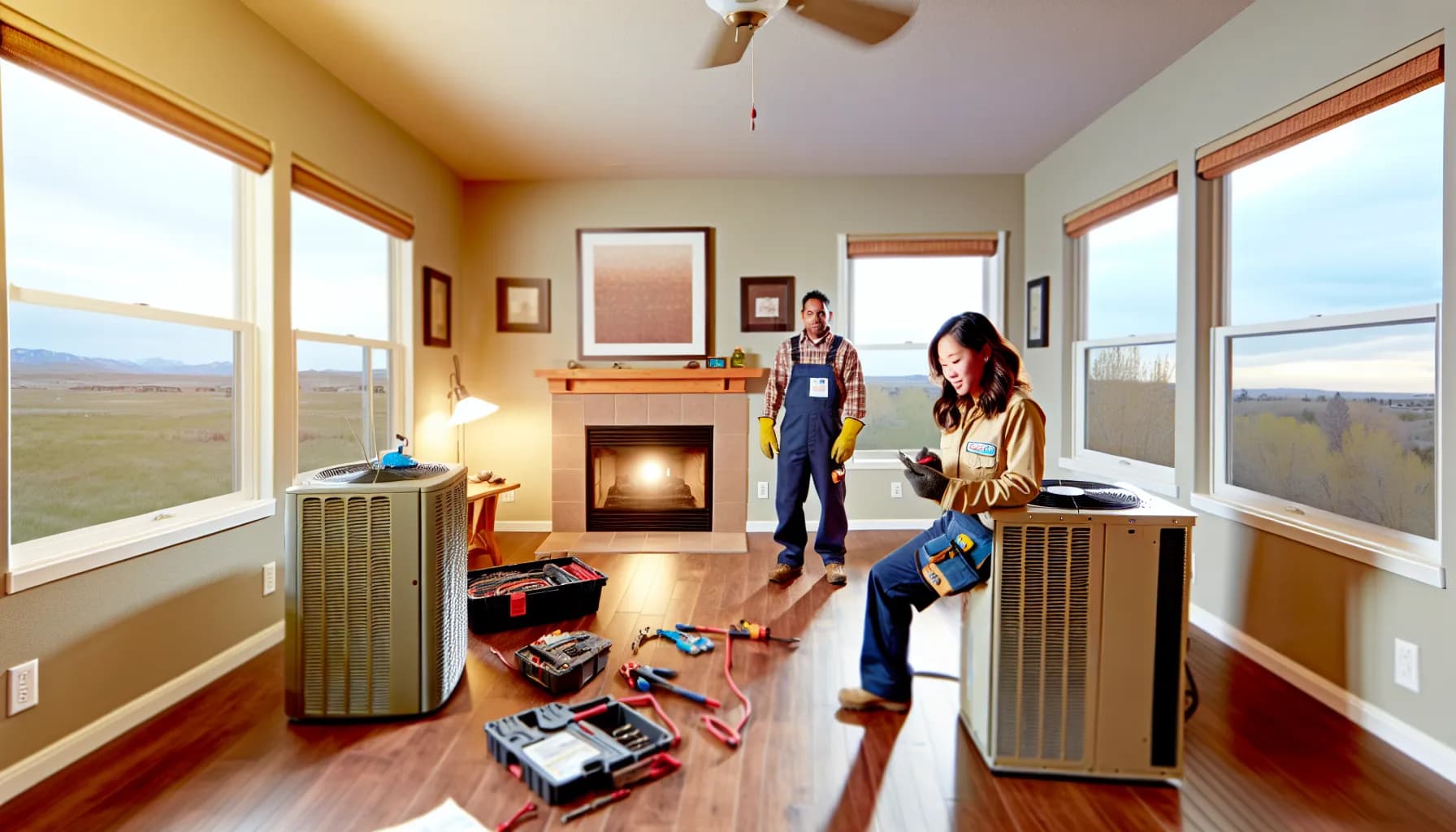
At Alloy Heating and Cooling, our licensed technicians serve communities from Morrison to Erie, offering fast, reliable repairs. Professional service is especially important for gas or electrical issues, which can pose safety risks.
Central Heating Issues Unique to Colorado Homes
Colorado’s climate and altitude create unique challenges for central heating systems. Awareness of these factors can help you prevent problems and maintain efficient operation.
Altitude Effects on Furnace Performance
The thinner air at higher elevations, such as in Evergreen and Boulder, can affect combustion in gas furnaces. Furnaces not rated for high altitude may burn fuel less efficiently, leading to incomplete combustion, decreased heat output, and increased carbon monoxide risk. If you recently moved from sea level or upgraded your furnace, make sure your system is properly adjusted or rated for Colorado’s altitude. Our technicians can inspect or modify burners, adjust gas pressure, or recommend high-altitude models for maximum safety and efficiency.
Dealing With Dry Air and Humidity Levels
Colorado winters are known for low humidity. Dry air can make your home feel colder, cause static electricity, and dry out skin and sinuses. Heating systems can further reduce indoor humidity. To combat this, consider installing a whole-house humidifier that integrates with your central heater. Our customers in Castle Pines and Centennial have seen significant comfort improvements and fewer winter illnesses after adding humidity control to their systems.
Preparing Your Central Heater for Colorado Winters
Regular maintenance is key to reliable performance during our harsh winter months. Schedule annual furnace tune-ups, clean or replace filters, and have a professional inspect your heat exchanger, blower motor, and safety controls. Before the first cold snap, test your heater to catch issues early. We helped a family in Sedalia avoid a mid-winter breakdown by catching a failing ignitor during a routine fall inspection.
Don’t forget to check your home’s insulation and weather stripping as well. Proper sealing keeps heat in and energy bills down, whether you’re in a historic Denver bungalow or a new-build in Thornton.
FAQs
Frequently Asked Questions
Why is my central heat not turning on at all?
The most common causes are power issues, a malfunctioning thermostat, or a tripped circuit breaker. Check these first before inspecting other components.
How often should I replace my furnace filter?
In Colorado, it’s recommended to check your filter monthly during heating season and replace it every 1-3 months, depending on usage and air quality.
What should I do if my central heater blows cold air?
This might indicate an issue with the pilot light, ignition system, or thermostat settings. Double-check these and call a professional if the issue persists.
Can high altitude affect my central heater’s performance?
Yes, Colorado’s high altitude can impact furnace efficiency and combustion. Make sure your system is rated for local conditions or consult an HVAC expert.
When is it time to call a professional for central heating repair?
If basic troubleshooting doesn’t resolve the issue, or if you notice strange noises, persistent cold air, or electrical problems, contact a licensed HVAC technician.

Alloy HVAC Team
HVAC experts with years of experience in the industry. We share tips, insights, and the latest trends in heating, ventilation, and air conditioning to help you maintain optimal comfort in your home or business.