Why Is My Central Heating Not Working? Common Issues and DIY Troubleshooting for Colorado Homeowners
Why Is My Central Heating Not Working? Common Issues and DIY Troubleshooting for Colorado Homeowners
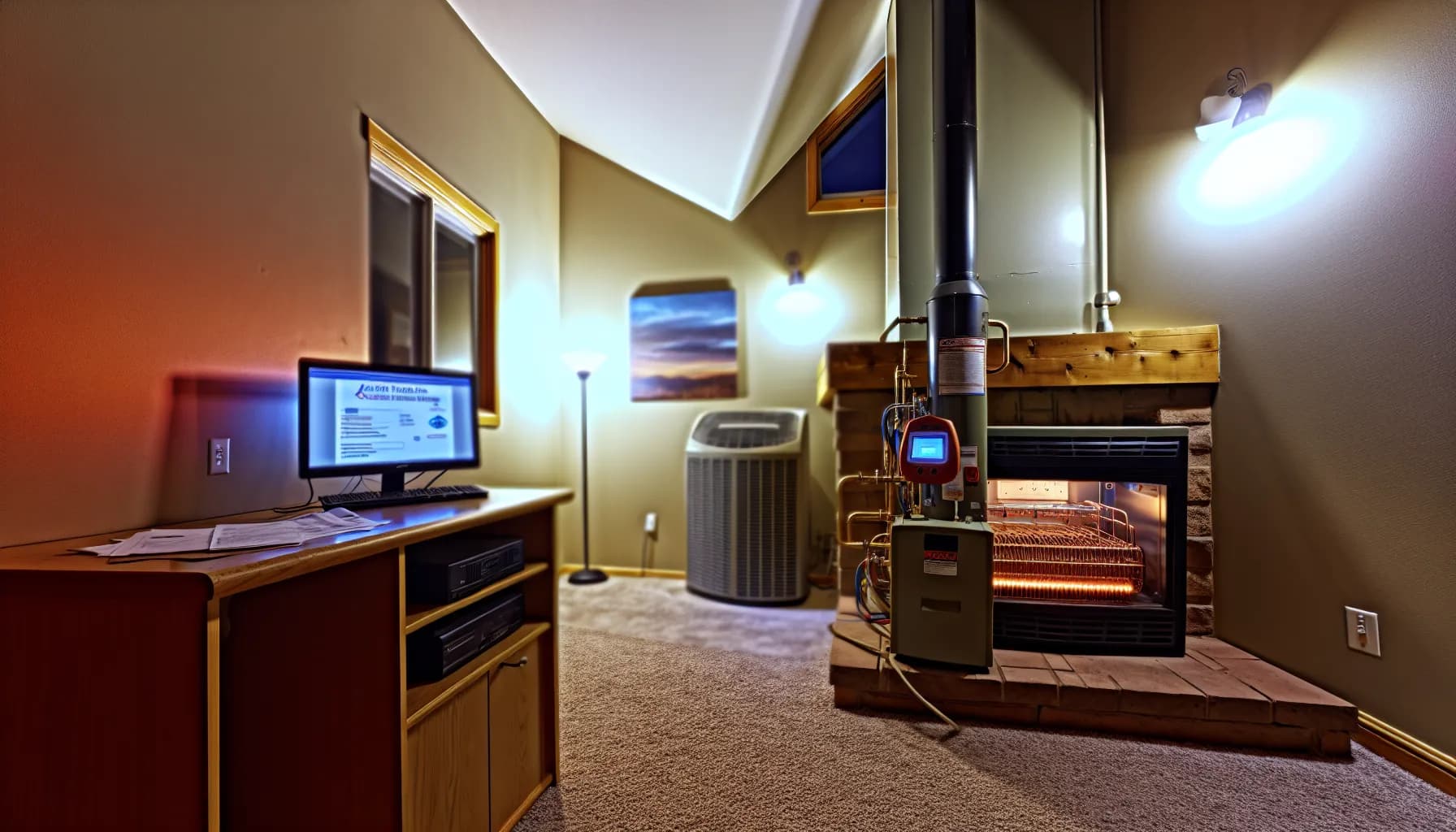
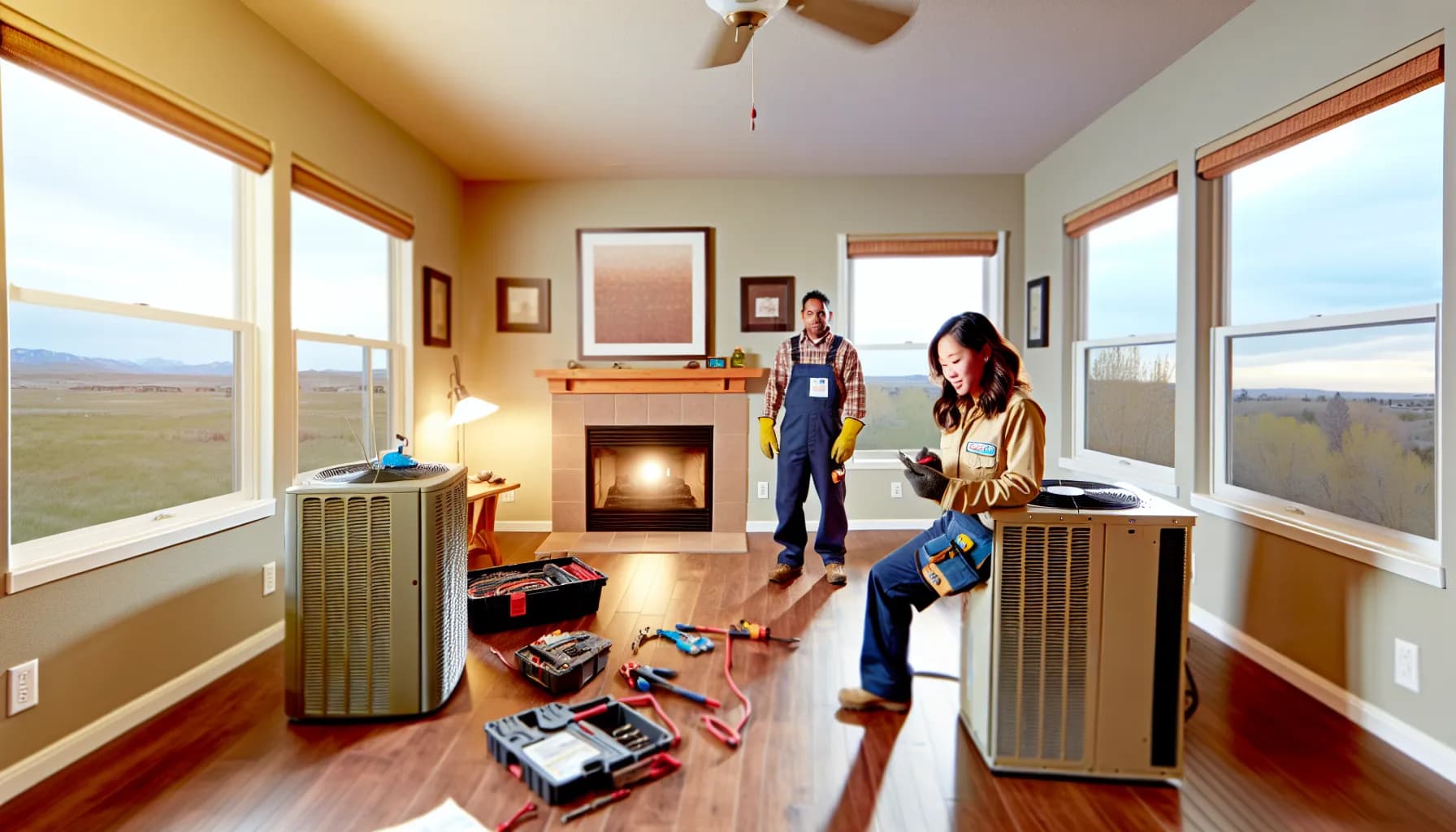
When the Colorado winter hits, a reliable central heating system is essential for comfort and safety. If you wake up to a chilly home and wonder, “Why is my central heating not working?” you are not alone. Many homeowners and small business owners across Greenwood Village, Englewood, Littleton, and the greater Denver area face similar concerns each year. As an expert HVAC provider, Alloy Heating and Cooling is here to help you understand the most common issues and offer practical DIY troubleshooting steps to restore warmth to your home.
Understanding Central Heating Systems in Colorado Homes
Types of Central Heating Systems
Colorado homes use several types of central heating systems, each with unique features and potential issues:
- Furnaces: The most common system in Colorado, furnaces use natural gas, propane, or electricity to heat air, which is then distributed through ducts.
- Heat Pumps: These units transfer heat from outside air or the ground indoors. They are efficient but can struggle in extreme cold.
- Boilers: Less common but still present in older homes, boilers heat water and distribute it via radiators or underfloor piping.
How Central Heating Works
Most central heating systems share a basic operational sequence. The thermostat signals the heating system to turn on when the temperature drops below your set point. The heating unit (furnace, heat pump, or boiler) generates heat, and a blower or circulator distributes the warm air or water throughout your home. Proper function depends on each component working correctly, from the thermostat to the filters, ignition, and blower motors.
Common Reasons Your Central Heating Is Not Working
Thermostat Problems
The thermostat acts as your heating system’s command center. If it malfunctions or loses its settings, your heater may not turn on. Common issues include dead batteries, incorrect programming, or faulty wiring. For example, a Centennial homeowner recently found their system unresponsive due to a simple thermostat battery failure.
Power Supply Issues
Central heating systems require a steady power supply. Tripped circuit breakers or blown fuses can interrupt operation. In some cases, a power outage or surge can cause problems. We have seen cases in Highlands Ranch where a furnace would not start after a lightning storm until the breaker was reset.
Dirty or Clogged Filters
Air filters trap dust, pollen, and debris to keep indoor air clean. If neglected, they can become so clogged that airflow is restricted, causing the system to overheat and shut down. Homeowners in Parker and Southglenn often call us with no-heat complaints, only to discover their filters have not been changed in over a year.
Pilot Light or Ignition Failures
Gas furnaces rely on a pilot light or electronic ignition to start the burner. If the pilot light goes out or the igniter fails, the furnace will not produce heat. In older Denver homes, a drafty basement can easily blow out a pilot light, while newer systems may experience worn igniters.
Blower Motor Malfunctions
The blower motor circulates warm air through your home’s ductwork. If it fails, you may hear the furnace running but feel no air from the vents. A Lakewood resident recently reported cold rooms, only to find a seized blower motor was the culprit.
DIY Troubleshooting Steps for Central Heating Problems
Checking and Resetting the Thermostat
- Make sure the thermostat is set to “Heat” and the desired temperature is higher than the current room temperature.
- Replace batteries if the thermostat display is blank.
- Confirm all settings, especially if you have a programmable model.
- Check for dust or dirt under the cover, which can affect performance.
Inspecting Circuit Breakers and Fuses
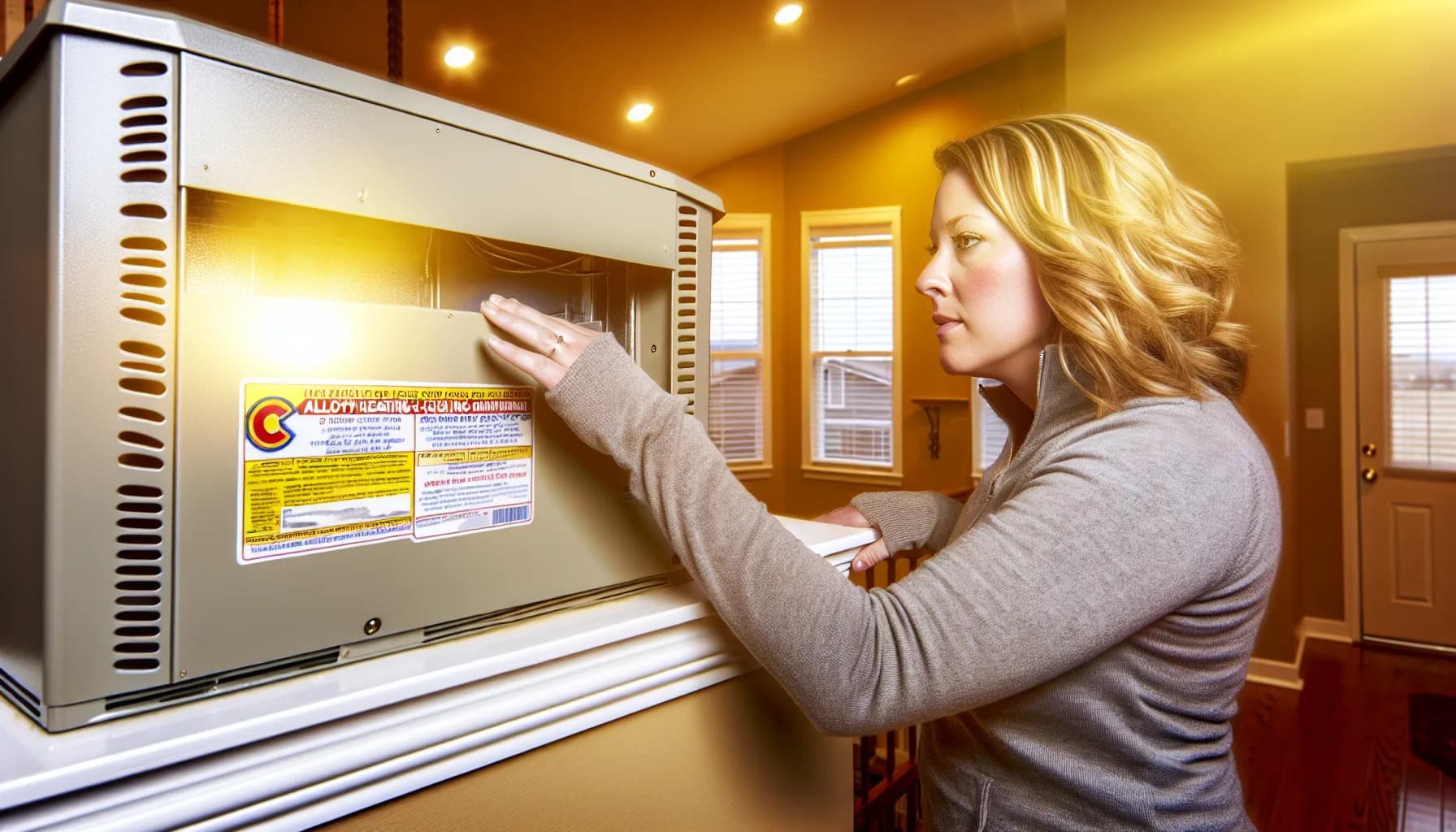
- Locate your electrical panel and find the breaker labeled for your heating system.
- If the breaker is tripped, flip it fully to the “off” position and then back to “on.”
- For older systems with fuses, look for blown fuses and replace as needed.
- If the breaker trips repeatedly, call a professional as this indicates a deeper electrical issue.
Replacing or Cleaning Air Filters
- Turn off your heating system before checking the filter.
- Locate the filter slot, typically near the return air duct or blower compartment.
- If the filter is visibly dirty or clogged, replace it with a new one of the same size and type.
- Reusable filters can be rinsed and dried before reinsertion.
Examining the Pilot Light or Ignition System
- For older gas furnaces, open the access panel and check if the pilot light is burning.
- If out, follow your manufacturer’s instructions to relight. Always wait a few minutes to clear any residual gas before trying again.
- For electronic ignitions, listen for clicking sounds when the furnace starts. No sound could indicate a faulty igniter, which may need professional replacement.
- If you smell gas or feel uncomfortable, evacuate and call your gas company or HVAC professional immediately.
When to Call a Professional
Some heating problems require expert attention. Call Alloy Heating and Cooling if you notice:
- No heat after performing basic troubleshooting
- Strange noises (squealing, banging, or grinding)
- Frequent short cycling or system shutting down unexpectedly
- Visible leaks, rust, or excessive moisture around equipment
- Persistent gas smells
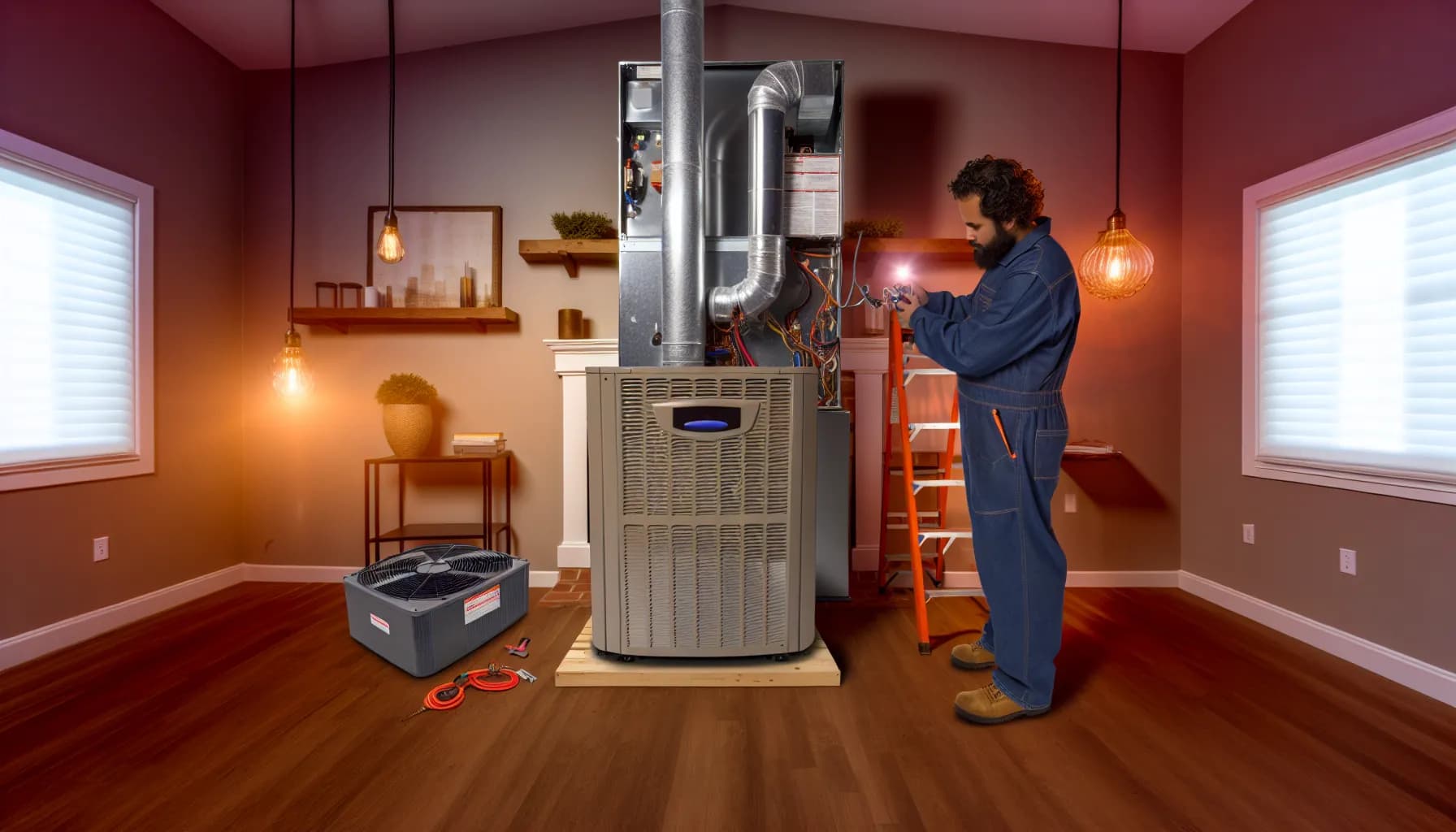
Professional technicians have the experience and specialized tools to diagnose and repair complex issues safely. For instance, a Castle Rock family tried several DIY fixes but still experienced uneven heating. Our team discovered a faulty limit switch and had them comfortable within the same day.
Preventative Maintenance Tips for Colorado Homeowners
Regular Filter Replacement
Change your air filter every 1 to 3 months, especially during heavy heating use. Homes with pets or high dust may require more frequent changes. This simple step can boost efficiency and prevent breakdowns.
Seasonal System Inspections
Schedule a professional tune-up every fall before the cold sets in. Our technicians inspect burners, heat exchangers, ignition systems, safety controls, and more. Early detection of wear or malfunction can save you from unexpected outages during a blizzard.
Keeping Vents and Ducts Clear
Ensure that all supply and return vents are open and unobstructed by furniture, rugs, or drapes. Periodically check for dust build-up and have your ducts professionally cleaned every few years to maintain good airflow and indoor air quality.
By following these steps, Colorado homeowners can keep their central heating systems running smoothly and efficiently all season. For reliable repairs, maintenance, or new installations, Alloy Heating and Cooling is just a call away for customers across the Front Range, from Boulder to Monument.
Frequently Asked Questions
Why is my central heating not turning on?
Common causes include thermostat issues, power supply interruptions, tripped circuit breakers, or pilot light failures. Check these components first before seeking professional help.
How do I reset my central heating system?
Most systems can be reset by turning off the power at the breaker, waiting a minute, and then turning it back on. Refer to your owner’s manual for specific instructions.
What should I do if my heating is blowing cold air?
This could be due to incorrect thermostat settings, a dirty filter, or issues with the pilot light or ignition system. Check these areas and consult a technician if the problem persists.
Can I fix a central heating problem myself?
You can handle minor issues like replacing filters, checking the thermostat, or resetting the system. For complex problems, it’s best to contact a licensed HVAC professional.
How often should I service my central heating system in Colorado?
It’s recommended to schedule professional maintenance at least once a year, preferably before the start of the heating season, to ensure efficient and reliable operation.

Alloy HVAC Team
HVAC experts with years of experience in the industry. We share tips, insights, and the latest trends in heating, ventilation, and air conditioning to help you maintain optimal comfort in your home or business.