Why Is My Air Conditioner Blowing Warm Air? Troubleshooting Colorado Home AC Issues
Why Is My Air Conditioner Blowing Warm Air? Troubleshooting Colorado Home AC Issues
Imagine coming home on a hot summer day in Greenwood Village or Boulder, turning on your air conditioner, and feeling nothing but warm air blowing from the vents. It’s frustrating and uncomfortable, especially during Colorado’s dry, hot spells. At Alloy Heating and Cooling, we often hear from homeowners and businesses across the Denver Metro and Front Range who face this issue. Let’s break down why your air conditioner may be blowing warm air, what you can do about it, and how Colorado’s unique climate factors into the equation.
Common Reasons Your Aircon Blows Warm Air
Thermostat Settings Mistakes
This may sound simple, but incorrect thermostat settings are a leading cause of warm air complaints. Sometimes, the thermostat is set to “heat” instead of “cool,” or the fan is set to “on” rather than “auto.” When the fan is set to “on,” it circulates air even when the AC isn’t actively cooling, which can feel like warm air is blowing out. Double-checking these settings is a quick first troubleshooting step, and it’s something we see homeowners in Highlands Ranch and Aurora overlook frequently.
Clogged Air Filters
Air filters trap dust, pollen, and other particles, but when they get clogged, they restrict airflow. This can make your air conditioner work harder and sometimes causes it to blow warm air. In Colorado’s dusty environment, air filters can clog faster than you might expect, especially during dry, windy spring months. Homeowners in Parker and Castle Rock often call us after noticing reduced cooling, only to find out that a simple filter change restores comfort.
Refrigerant Leaks or Low Levels
Refrigerant is the lifeblood of your air conditioner. It absorbs heat from inside your home and releases it outdoors. If your system is low on refrigerant or has a leak, it can’t cool the air properly. Signs include hissing noises, ice buildup on the coils, and, of course, warm air from the vents. Refrigerant issues require professional attention due to environmental regulations and the risk of further damage.
Electrical or Power Issues
Sometimes, the problem is electrical. Tripped breakers, blown fuses, or faulty wiring can stop the outdoor unit from running while the indoor blower continues to push air through the vents. In this case, you’ll feel air movement, but it won’t be cool. This is particularly common in older homes in Denver and Lakewood, where electrical systems may need updating.
Dirty or Blocked Condenser Coils
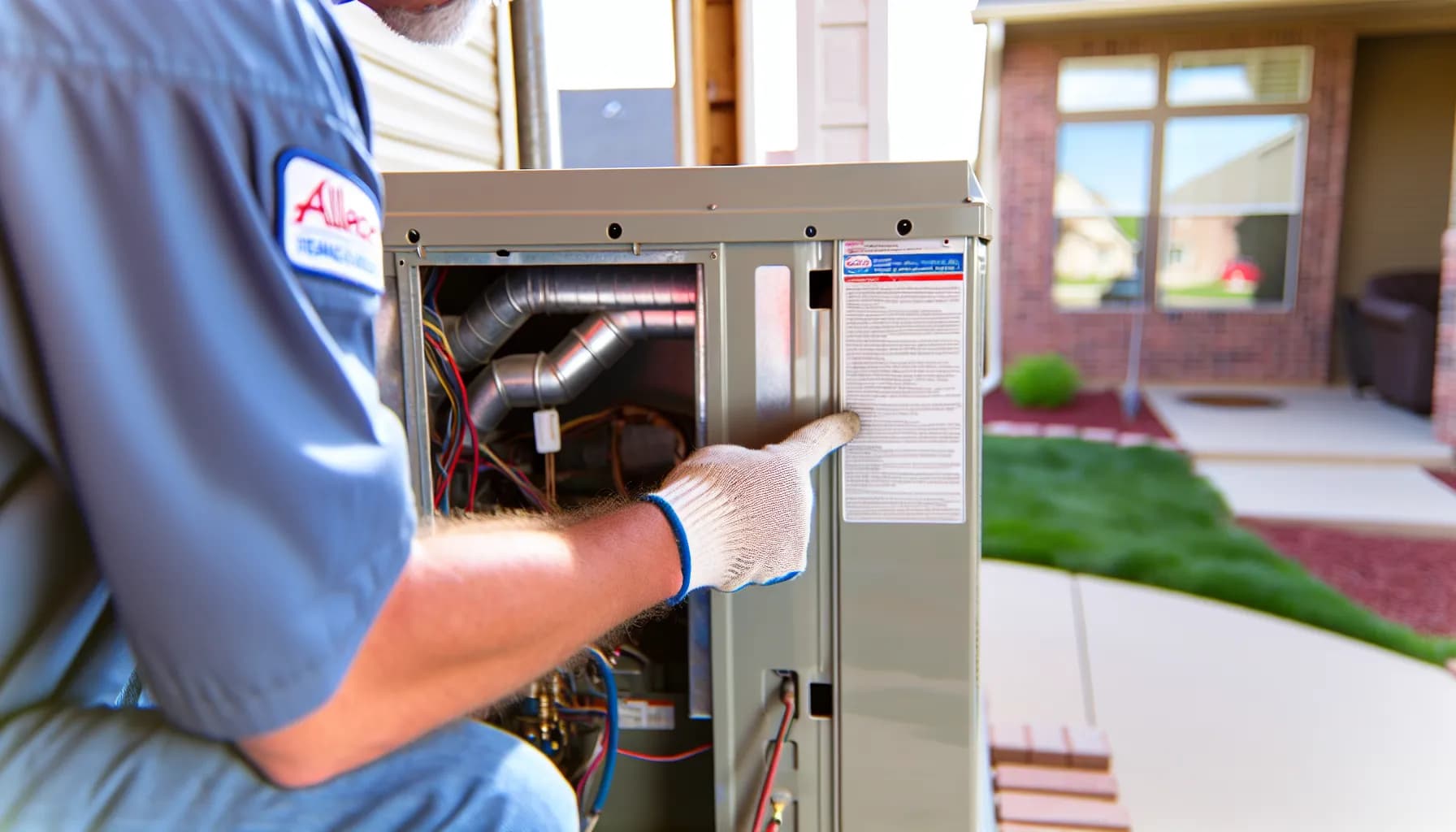
Your AC’s outdoor unit contains condenser coils that help release heat removed from your home. If these coils are dirty or blocked by debris, the unit can’t expel heat efficiently. As a result, your system may blow warm air indoors. In areas like Morrison, Evergreen, or rural Sedalia, we often find leaves, grass clippings, or even small nests blocking the condenser unit.
How Colorado’s Climate Impacts AC Performance
High Altitude Effects on Air Conditioners
Colorado’s high altitude means thinner air, which can impact your air conditioner’s efficiency. AC systems are designed to operate under certain atmospheric conditions. At higher elevations, they must work harder to remove heat. Manufacturers sometimes recommend different refrigerant charges or system adjustments for homes in Castle Pines, Boulder, or Monument, where elevations can exceed 5,000 feet.
Dealing with Dry Air and Dust
Our dry, dusty climate contributes to faster filter clogging and dust buildup within your system. This is especially true during spring and early summer when winds pick up. Regular filter changes and professional coil cleaning are essential for optimal performance in areas like Franktown, Kiowa, or Roxborough Park.
Seasonal AC Maintenance Needs
Because Colorado experiences dramatic temperature swings, your AC system might sit idle for months, only to be called into action during a sudden heatwave. This stop-and-start usage can exacerbate issues like stuck relays, dirty components, or refrigerant leaks. Scheduling spring maintenance helps prevent mid-summer breakdowns.
Step-by-Step Troubleshooting When Your Air Conditioner Blows Warm Air
Check Thermostat and Power Supply
Start by making sure your thermostat is set to “cool” and the temperature is lower than the current room temp. Check the fan setting, too. If your thermostat runs on batteries, replace them. Next, inspect your breaker panel , look for any tripped breakers or blown fuses connected to your HVAC system.
Inspect and Replace Air Filters
Remove the air filter from your return vent or furnace. If it looks gray, dusty, or clogged, replace it with a new one. In areas like Littleton or Northglenn, where construction dust is common, filters may need changing every 1-2 months during heavy AC use.
Examine Outdoor Unit and Condenser
Go outside and inspect your AC’s outdoor unit. Clear away grass, leaves, or debris that might be obstructing airflow. Check for visible dirt or damage to the condenser coils. Do not use a pressure washer , a soft brush or gentle hose spray works best for light cleaning. Make sure the disconnect switch is in the “on” position.
Look for Refrigerant Issues
If you notice hissing sounds, ice buildup, or oily residue around the refrigerant lines, your system may have a leak. Low refrigerant requires a professional diagnosis and recharge. Homeowners in older homes throughout Denver and Wheat Ridge often encounter refrigerant issues as systems age.
When to Call a Colorado HVAC Professional
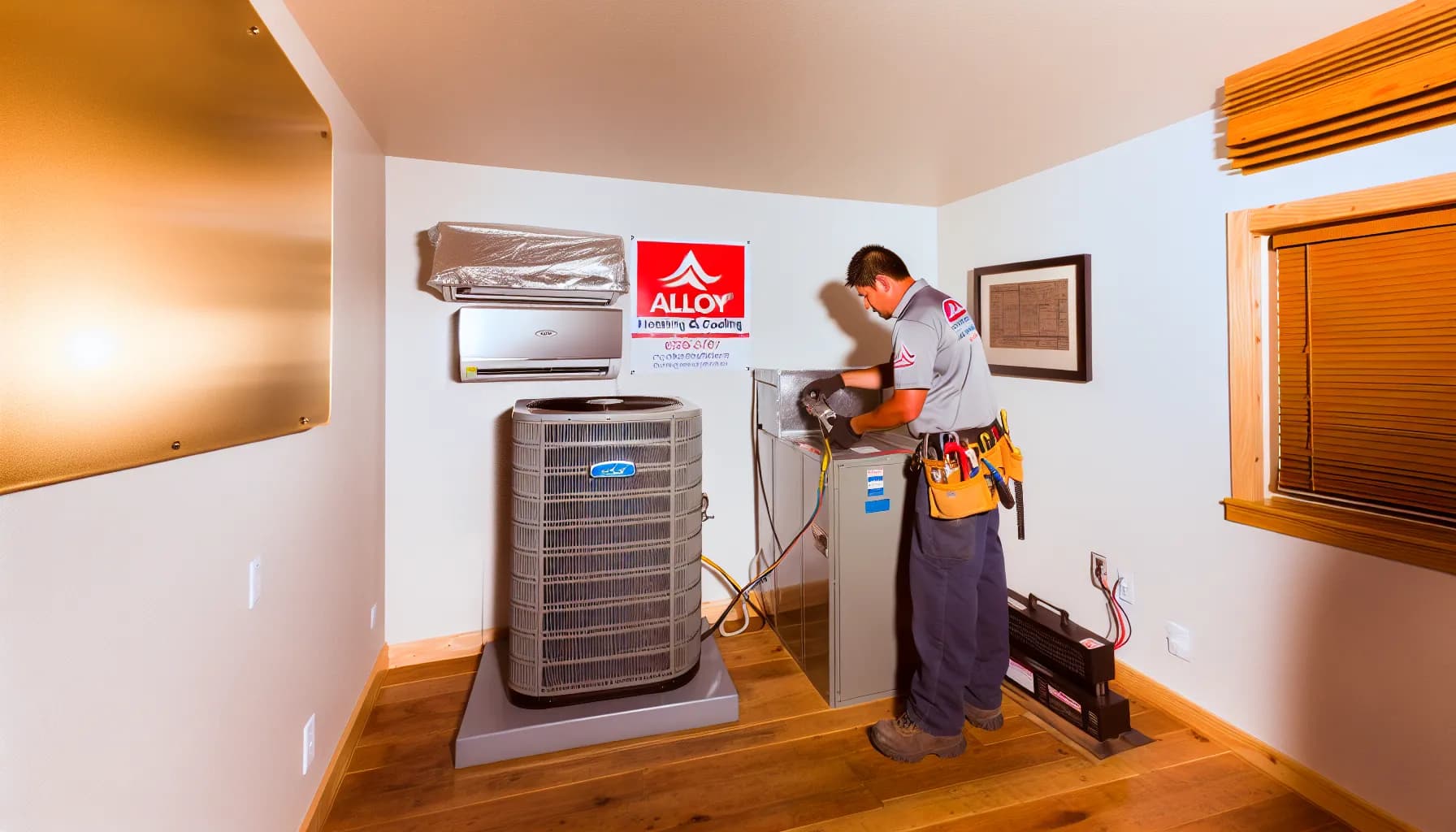
If you’ve checked these basics and your AC still blows warm air, it’s time to call an expert. At Alloy Heating and Cooling, our technicians serve the entire Denver Metro, from Aurora to Castle Rock and Broomfield to Monument. We use advanced diagnostic tools to pinpoint issues and restore cooling quickly. Attempting repairs yourself can be dangerous, especially with electrical or refrigerant systems.
Preventing Future Warm Air Issues
Regular Maintenance Tips
- Change your air filter every 1-3 months, especially during heavy use or in dusty areas.
- Keep the outdoor unit clear of debris and vegetation.
- Schedule annual AC tune-ups each spring with a trusted Colorado HVAC contractor.
- Listen for unusual noises or performance changes and address them early.
Best Practices for Colorado Homeowners
- Upgrade to a programmable thermostat to avoid accidental setting mistakes.
- Consider installing a whole-home air purifier or humidifier to combat Colorado’s dry, dusty air.
- Insulate ductwork and seal leaks to improve cooling efficiency, especially in older homes in Golden, Morrison, or Federal Heights.
- Become familiar with your AC’s make, model, and maintenance history , this will help your HVAC technician diagnose issues quickly.
Real-world scenario: A Centennial homeowner called us in July after their AC started blowing warm air during a heatwave. After checking the thermostat and filter, we found the outdoor unit’s condenser coils were packed with cottonwood fluff. A professional cleaning and minor electrical repair had their home cool again within hours. In another case, a Thornton small business owner noticed warm air and high humidity in their shop. Our technician identified a slow refrigerant leak and fixed it before it caused compressor damage or shutdown.
Staying proactive with maintenance and knowing the unique challenges of Colorado’s climate can save you discomfort, stress, and unexpected repair costs.
Frequently Asked Questions
Why is my aircon blowing warm air instead of cold?
Common reasons include incorrect thermostat settings, dirty filters, refrigerant issues, or electrical problems. In Colorado, dust and climate conditions can also contribute.
Can a dirty air filter cause my AC to blow warm air?
Yes, a clogged air filter restricts airflow, causing your air conditioner to struggle and potentially blow warm air instead of cooling your home.
Does Colorado’s high altitude affect my air conditioning?
High altitude can impact AC performance due to thinner air and increased UV exposure, making maintenance especially important for efficient cooling.
How do I know if my AC has a refrigerant leak?
Signs include warm air from vents, hissing noises, or ice on the coils. If you suspect a leak, contact a licensed HVAC technician for repairs.
When should I call a professional for my air conditioner blowing warm air?
If basic troubleshooting doesn’t fix the issue, or if you notice refrigerant leaks, electrical problems, or persistent warm air, it’s time to call a Colorado HVAC specialist.

Alloy HVAC Team
HVAC experts with years of experience in the industry. We share tips, insights, and the latest trends in heating, ventilation, and air conditioning to help you maintain optimal comfort in your home or business.